

Homes England’s 2025–2030 plan positions housing, land, and enabling works as national infrastructure essential to economic growth and sustainable communities.

Peterbilt launches three new medium-duty EVs built for delivery, utility, and vocational fleets. Fast charging and versatile specs support real-world demands.

Lethbridge completes Alberta’s first curbside battery pickup, collecting 3,000 kg and setting a new benchmark for accessible, community-driven recycling programs.

Purity Gas lands a major Alberta contract for on-site nitrogen systems. The move reflects industry demand for cost control, reliability, and lower emissions.

A 2025 Colorado River Basin analysis finds human-driven climate change is driving both rising temperatures and declining precipitation in the Southwest.

Global shipping CO2 rose 9.3% from 2019–2024 as trade and route distances grew, with containers and bulk carriers driving most emissions despite efficiency gains.

Atlas’ new ReGenX tech adds recycled content to cold chain products—no added cost, no drop in performance. A smarter way to hit ESG goals without trade-offs.

A new offshore drilling plan reopens California waters after decades. Businesses now face legal, economic, and environmental uncertainty across key sectors.
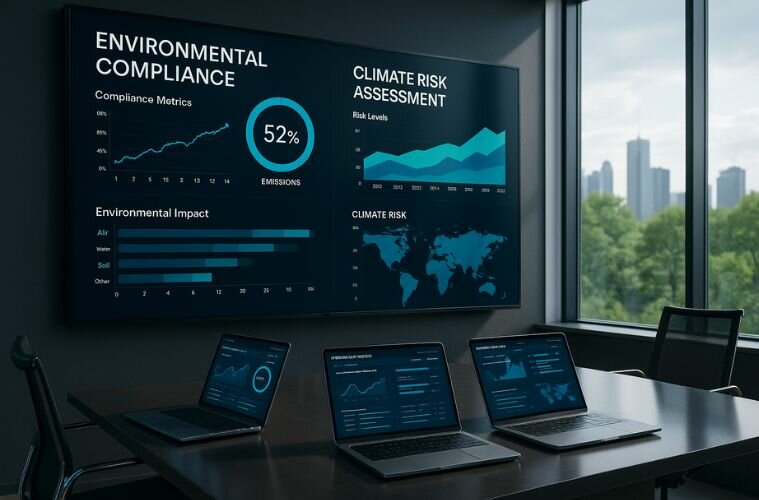
Digital compliance systems are emerging as resilience infrastructure as U.S. regulatory shifts and climate risks push companies toward real-time environmental oversight.

Twelve female waste pickers from Kenya are using theatre to share their role in plastic recovery—pushing for recognition during global plastics talks.

A federal court vacated Detroit’s ozone redesignation, restoring Moderate controls and raising new compliance considerations for 2026 infrastructure projects.

New Jersey’s PFAS bills tighten product bans while granting fire departments a one-year foam extension, reshaping compliance for municipalities and industry.

Washington approves the 160 MW Carriger Solar project, adding storage capacity as the state works to accelerate slow renewable-energy growth.

Environmental insurance is gaining attention as companies face rising operational risks and shifting regulations. Here’s how it strengthens risk strategy.

Texas A&M is turning engineered clay into a practical defense against PFAS, VOCs, and more. These tools aim to reduce exposure before it becomes a crisis.

Idaho and the U.S. Forest Service expand Shared Stewardship to increase timber production, reduce wildfire risk, and accelerate cross-boundary forest restoration.
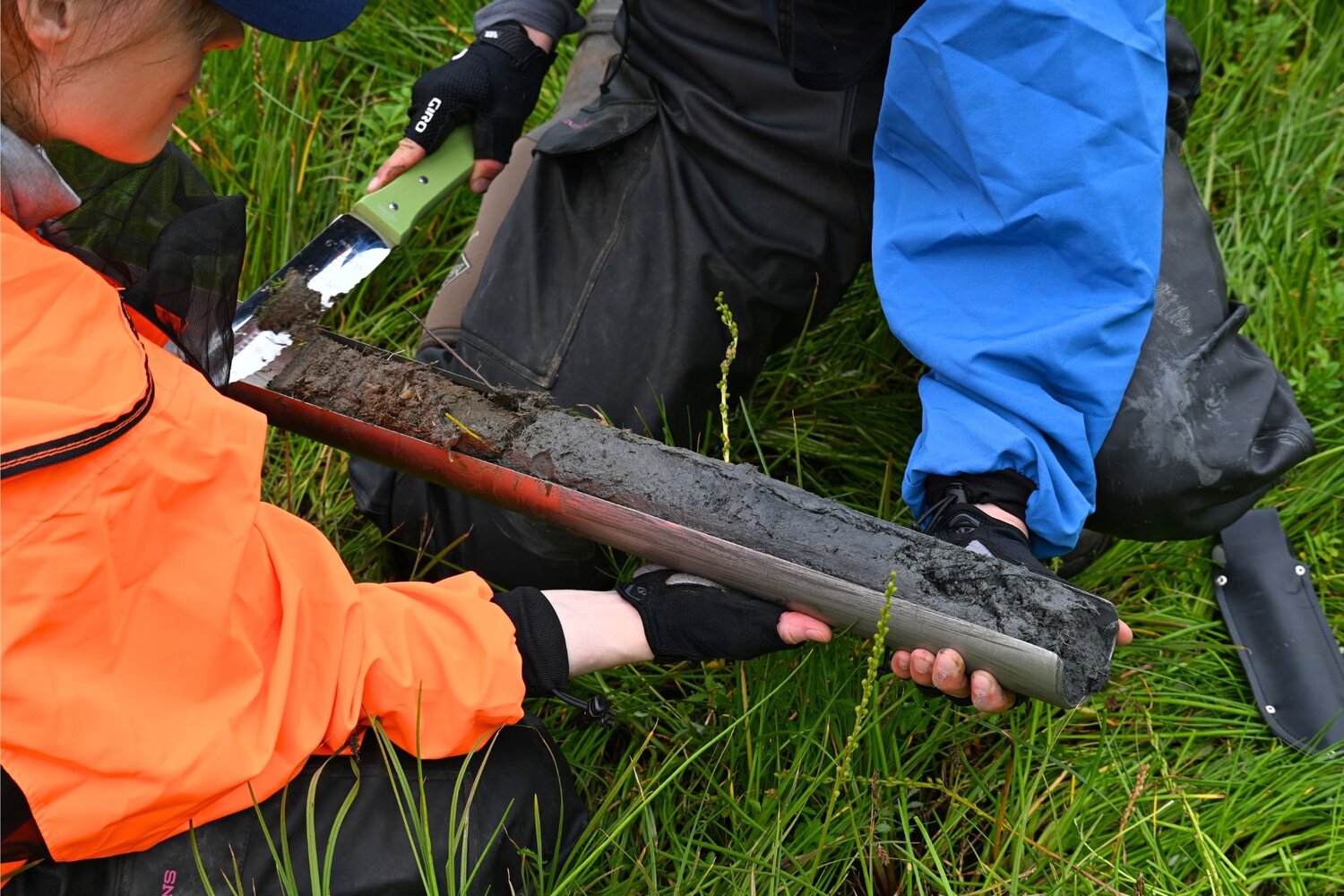
A new study finds common wetland carbon metrics may be overstating storage. The overlooked data gap could impact carbon credits and coastal restoration plans.

Circular Materials is partnering with Earth Rangers and EcoSchools Canada to expand recycling education and support Ontario’s transition to extended producer responsibility.

AI-powered vision systems are reshaping maritime safety, enabling real-time detection of vessels, debris, and marine mammals while supporting autonomous operations.

Octavia Carbon is using Kenya’s geothermal energy to power DAC tech. Precision sensors ensure each tonne of captured CO₂ is real, permanent, and verifiable.