
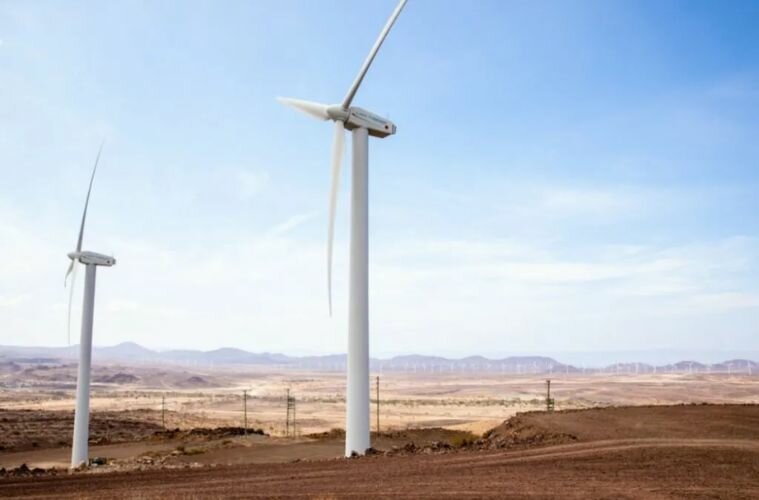
Africa's transmission networks are falling behind power demand, renewable generation, and the industrial corridors governments hope to develop.

Airengy and Nobian are studying a Danish salt cavern for energy storage. The project could store 2.5 GWh and supply 3 MW to 10 MW over long periods when needed.
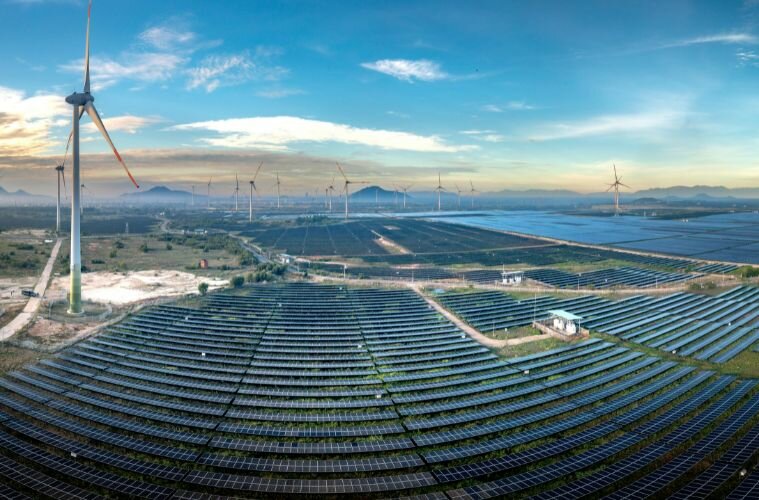
Vietnam and Malaysia are expanding transmission capacity in anticipation of future semiconductor demand, treating grid readiness as industrial strategy.

Ireland, Germany, and the Netherlands are rationing grid connections despite growing power supply, forcing site selection toward regions with capacity.

California regulators opened public comment on EVOCA® after a positive health review. A final decision could follow later in 2026 for the Biotalys biofungicide.
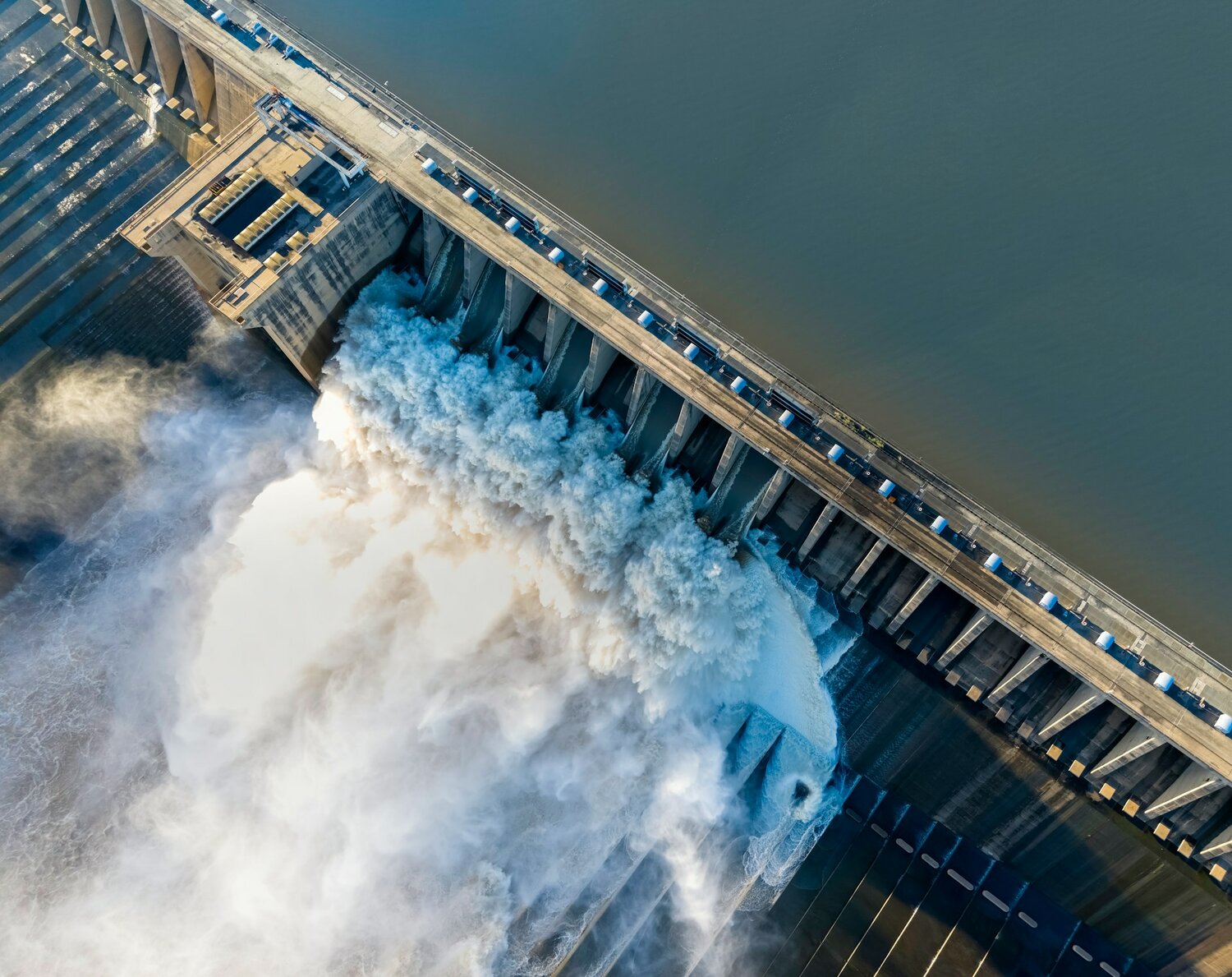
Europe’s renewable boom is exposing gaps in grid flexibility. Pumped storage is gaining attention as negative prices, heat and curtailment rise.
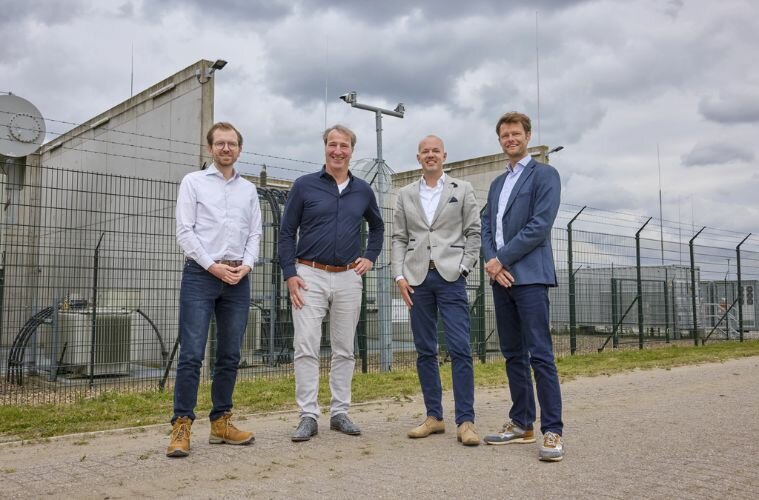
Windpark Zeewolde is pairing Europe's largest onshore wind farm with a new hydrogen-iron flow battery built for 10 to 40 hours of storage, not four.

The UAE is showing what happens when power, capital, permitting, and chip access are coordinated before construction begins, not assembled project by project.

Ireland could owe up to $30 billion (€26 billion) by 2030 for missing EU climate targets, new fiscal modeling shows, with costs rising after 2030.
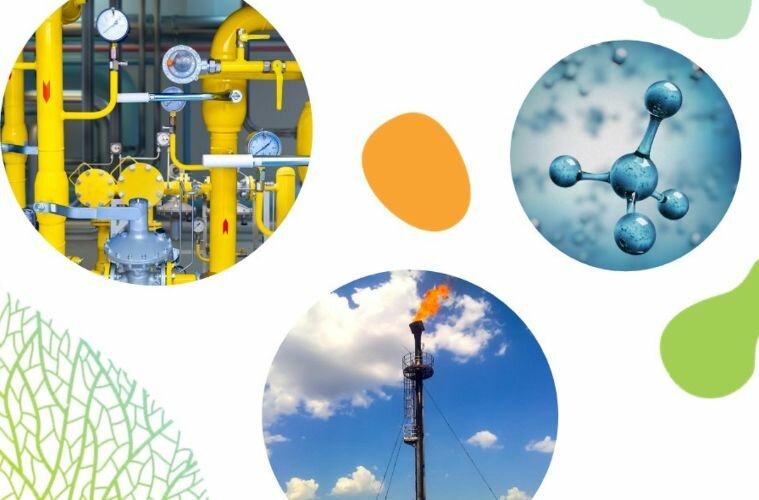
Senior energy officials from Qatar, the U.S., Nigeria, and Algeria are urging the EU to clarify methane rules before 2027 import requirements begin, warning of rising supply disruption risk.

Speakers at London Climate Action Week said cities, businesses, and regional coalitions are increasingly driving climate action ahead of COP31.
A structural cost coverage gap in the EU's Extended Producer Responsibility framework is leaving recyclers underfunded, just as the Circular Economy Act opens for reform.

The biggest risk entering H2 may not be execution. It may be relying on planning assumptions that no longer reflect operating conditions.

The UK announced a $63.5 million critical minerals investment, funding rare earth magnet manufacturing, recycling projects, and a new industry demand aggregation platform.

The EEA's 2025 bathing water report shows 85% of EU sites rated excellent, but river quality lags and new EU rules expand monitoring for PFAS and microplastics.

EHS, facilities, procurement, and sustainability each left something unresolved in Q2. Here is what each function needs to close before the second half starts.

Silicone hull paint beat copper coatings in European tests. The findings could reshape antifouling choices for boatyards, marinas and paint suppliers.
The Global Environment Facility's latest funding cycle prioritizes biodiversity, climate resilience, water management, and clean energy projects through 2030.
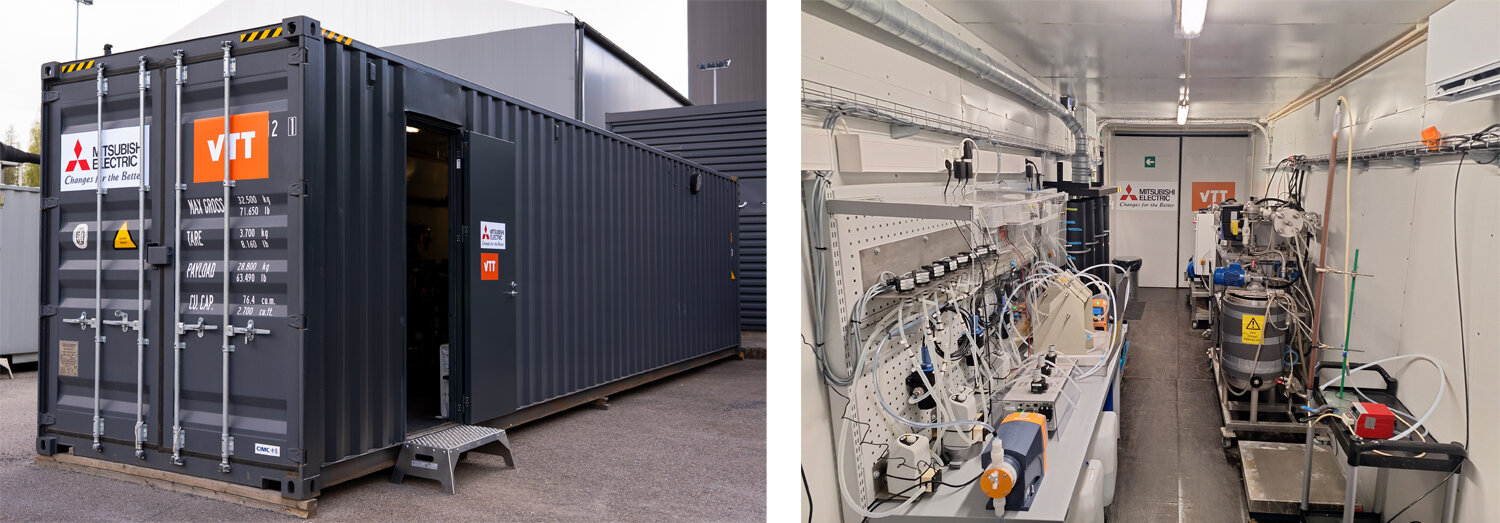
Mitsubishi Electric and VTT are preparing a direct ocean capture system for coastal trials. The work could test seawater's role in scalable carbon removal.

Chloride ions from seawater are drawing new battery research attention. Early solid-state work could support future grid storage beyond lithium.