

FYUL is tightening supply chain visibility with TrusTrace. The move comes as brands face rising pressure for product-level proof.

Scope 3 emissions in supplier networks are outpacing facility-level efficiency gains. New data and GHG Protocol revisions are raising the stakes for sustainability leaders in 2026.

The voluntary carbon market has a credibility problem that is no longer contained to specialized environmental circles.

BioMADE is backing 14 projects with $21.4M in funding. The focus is practical: recover critical materials, improve bio-based production and train workers.

Building energy models were calibrated against climate conditions that no longer exist. Facilities leaders need to understand what that means for efficiency projections and equipment design.

Polartec is standardizing black fleece to reduce redundant dye work. The move could help outdoor brands simplify sourcing and cut waste.

Gateway Fleets’ 100-truck order shows a more practical path to EV adoption. The model bundles vehicles, charging and support for delivery operators.

Organizations that haven't conducted a systematic PFAS exposure assessment are making that decision by default, and the cost of finding out later is rising.

Minnesota SF4504 would allow customers to install small plug-in solar devices without utility interconnection agreements, fees, or approval. Here is what the provision covers.

Uranium demand is rising, but supply remains slow to respond. A Saskatchewan project is testing whether faster development can help close the gap.
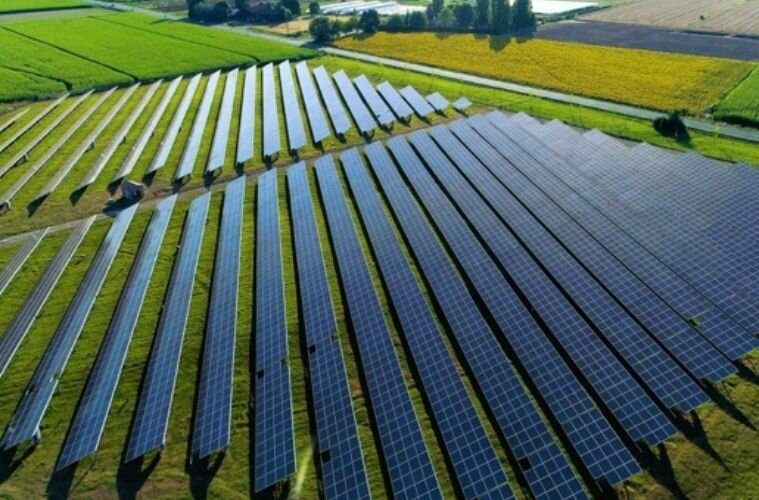
Virginia enacted SB508 April 22, directing Dominion Energy and Appalachian Power to assess unused solar interconnection capacity and pilot storage programs.

The GHG Protocol's Land Sector and Removals Standard takes effect January 2027. Its carbon opportunity cost methodology could significantly alter how biomass emissions are reported.

EU restrictions and supply chain pressure are pushing labs to replace Triton X-100, turning green chemistry into a procurement and compliance priority.

Battery risks are rising in hazardous settings as systems scale. Intrinsically safe monitoring helps reduce exposure and improve uptime.

A live Mediterranean voyage tested AI navigation in real conditions. Results show computer vision can improve awareness and support crews at sea.

A new global coalition aims to define sustainability standards for AI data centers as energy and water pressures intensify worldwide.

China’s zero-tariff policy for African imports removes barriers, but infrastructure, financing, and production gaps may limit real trade transformation.

NGO scorecards and ESG rating agency methodologies have quietly become business risk infrastructure. Most sustainability teams don't know how they're being scored.

The disclosure system was built to capture what companies believed about themselves — their goals, their trajectories, their commitments. It was not built to verify them.

EPA finalized new pesticide limits today, but a January 2026 analysis of 700 tolerance decisions found the agency applies its child safety factor only 15% of the time.