

Colorado SB 102, which would have required data centers to pay full grid costs and meet emissions targets, was voted down unanimously May 11. Other states are hitting the same wall in 2026.

Interconnection delays are creating PPA delivery shortfalls that finance teams did not model. The cost of sourcing replacement power is showing up as unexplained energy budget variance in 2026.

Procurement teams that accepted broad pass-through language in their energy agreements because it looked like standard contract boilerplate are now receiving invoices that reflect tariff costs they did not model, did not cap, and may have limited ability to dispute.
Radisson is taking net zero from target to test case. Its latest report shows how hotel-level changes are shaping emissions, workforce and supply chain goals.
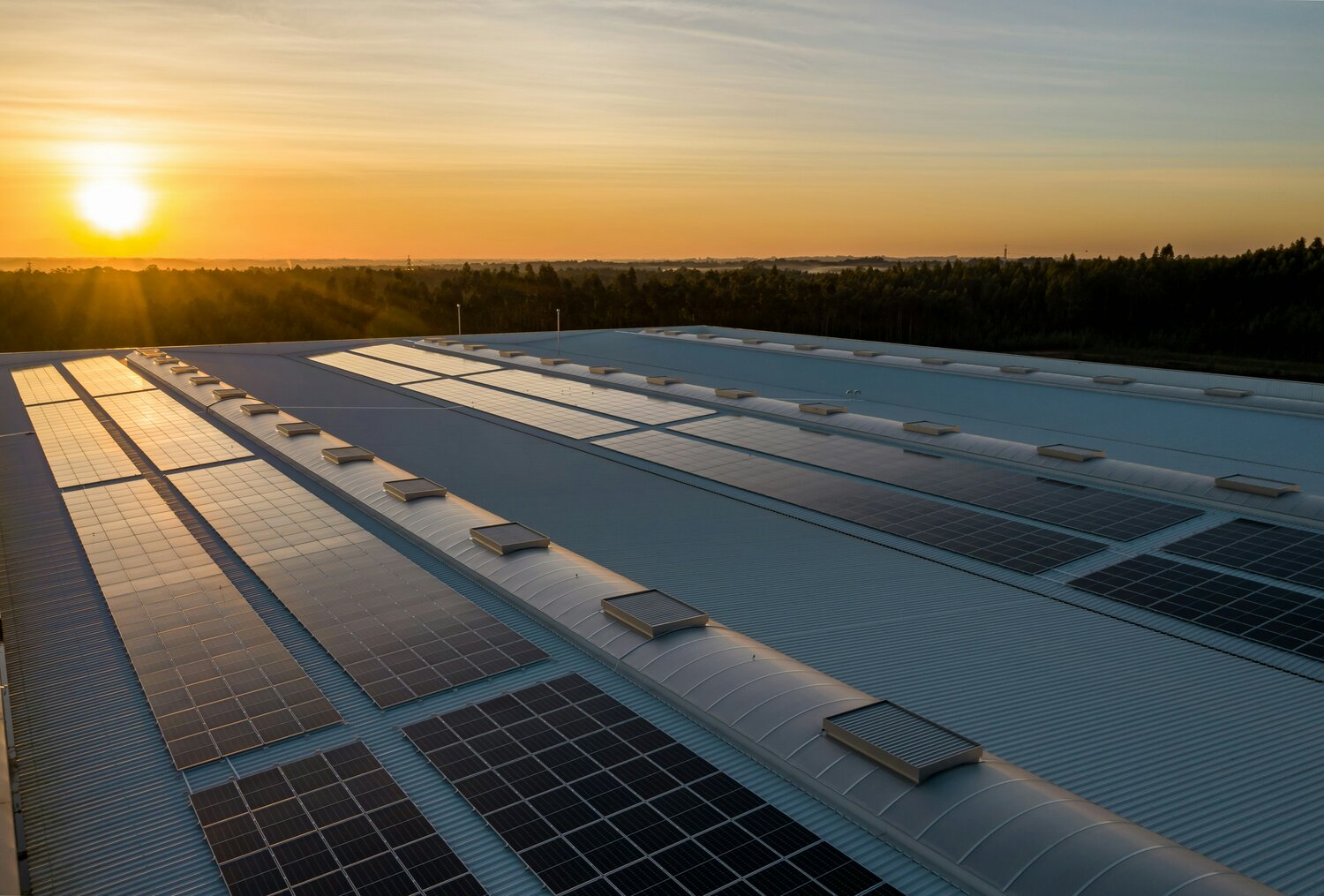
ISO New England's 2026 CELT Report adds its first behind-the-meter battery forecast and flags a winter peak timing problem tied to heat pump adoption growth through 2035.

Project Jupiter is moving to a fuel cell microgrid. The shift highlights how AI data centers are rethinking power, water and local impact.

The cost of not investing in climate health systems is quantifiable, and the financial return on investing in them is exceptionally high.

FYUL is tightening supply chain visibility with TrusTrace. The move comes as brands face rising pressure for product-level proof.

Ohio SB 103 is now law, letting natural gas utilities offer alternative rate plans to large industrial users consuming over 1.2 million Mcf annually.

Nine Florida schools earned Melbourne's 2026 ECO School Awards for integrating sustainability, conservation, recycling, and habitat programs into campus life and community engagement.

The voluntary carbon market has a credibility problem that is no longer contained to specialized environmental circles.

A 40,000-acre hyperscale data center and power generation campus cleared its first regulatory hurdle in northern Utah this week.
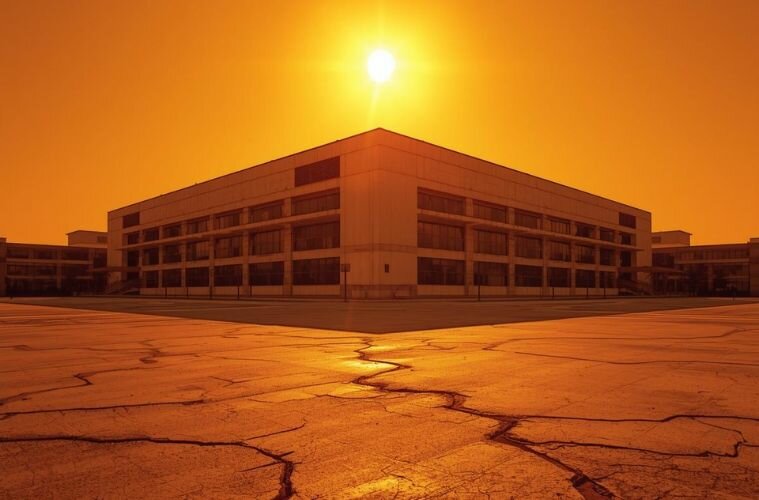
Building energy models were calibrated against climate conditions that no longer exist. Facilities leaders need to understand what that means for efficiency projections and equipment design.

Why flooding, heat, and drought are degrading facility values and restricting insurance access faster than corporate financial models account for.

Polartec is standardizing black fleece to reduce redundant dye work. The move could help outdoor brands simplify sourcing and cut waste.

California's geothermal planning bill AB 526 died in Appropriations in 2025. A companion CEQA bill was vetoed. Here is where California's in-state geothermal strategy stands now.

The federal BFPP defense protects brownfields buyers from CERCLA liability, but state programs differ significantly. What EHS and legal teams need to understand before acquisition.

School districts are expanding solar projects beyond pilot phases. By pairing generation with efficiency upgrades, they aim to cut costs and emissions.

Efficiency upgrades in commercial buildings are delivering diminishing returns. What facility managers need to know about the economics and what to prioritize next.

AI infrastructure build-out is running into a constraint capital can't solve: the grid can't deliver megawatts as fast as investment wants to move.