

Peabody moved Wyoming coal to Vietnam through Mexico's Port of Guaymas, testing a Pacific export route that still lacks disclosed costs or contracts.

Tata Steel Nederland advances its IJmuiden green steel transition with a new permit application, DRI and EAF plans, and major emissions investments.

A new UN report says cutting methane from oil, gas, and coal offers the quickest emissions reductions, with proven technologies and relatively low costs.
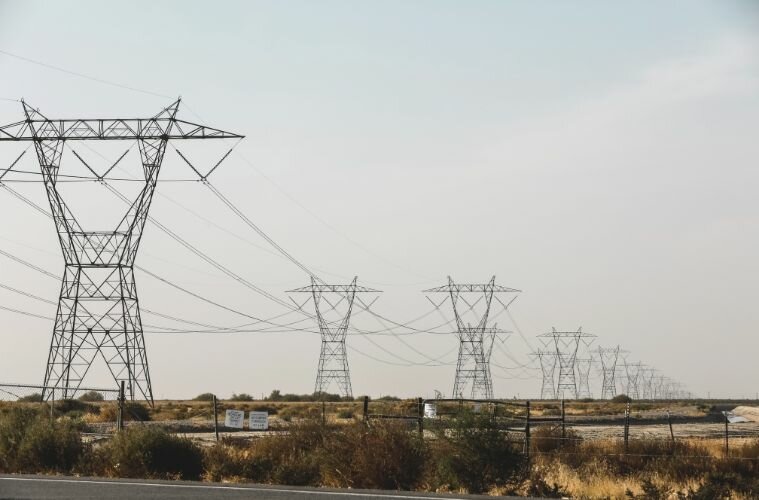
NERC cut elevated-risk grid regions from six to three for summer 2026 on record resource additions, but DOE orders are keeping some coal plants online too.
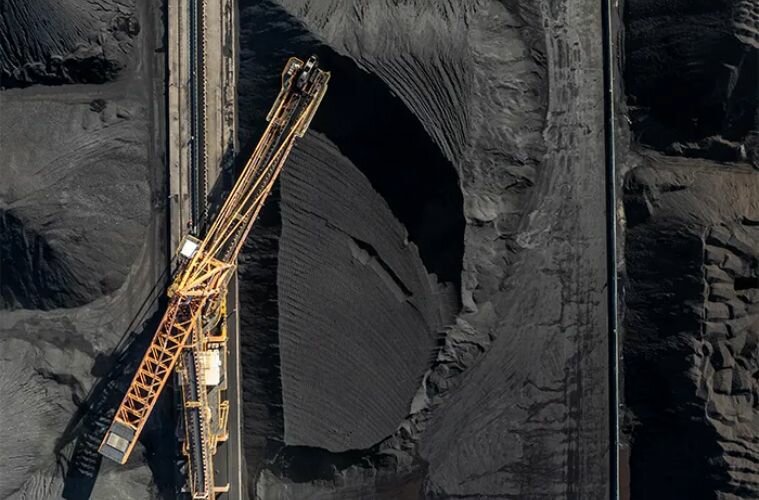
Core Natural Resources subsidiary CONSOL Innovations was selected for a DOE grant to pilot rare earth element recovery from Pennsylvania coal waste.

A new University of Wyoming project highlights how DOE increasingly views coal plants as platforms for critical minerals, water savings, and carbon capture.

The biggest risk entering H2 may not be execution. It may be relying on planning assumptions that no longer reflect operating conditions.

DOE selected TerraSpark Energy Campus in Grant County, West Virginia for up to $18.5 million to advance engineering and permitting for a 1.6 GW coal-with-carbon-capture project.
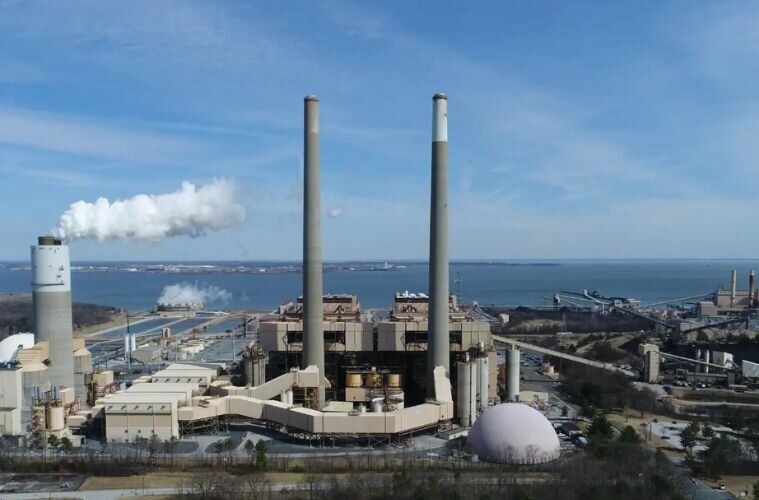
PJM and Talen Energy have filed at FERC to extend the Brandon Shores and H.A. Wagner reliability-must-run agreement to May 2031, citing transmission delays driven largely by data center load growth.

DOE selected Duke Energy for up to $96 million in federal funding for reliability upgrades at coal-fired power plants in Kentucky and North Carolina across three sites.

South Africa has enacted one of the most ambitious sustainability disclosure frameworks on the African continent. What the framework requires and what most companies can actually produce are two different things.

Germany celebrated the shutdown of its last nuclear reactors in April 2023 as a moral victory. The nuclear exit was framed as a triumph of environmental responsibility: proof that a modern industrial nation could renounce 'dangerous' technologies and lead the world toward a cleaner future. A new analysis suggests the opposite happened.

The turbine market is shifting as efficiency and emissions targets tighten. Growth is being driven by policy, innovation, and rising global energy demand.

A Rhode Island House bill moving to committee hearing this week would remove clean coal from the state's list of preferred fuels for energy facility approvals.

What role, if any, should coal continue to play in balancing affordability, reliability, and economic stability in eastern Kentucky?

East Texas is pivoting from coal to geothermal energy and lithium. A modular Smackover project aims to boost domestic supply chains.

U.S. electricity use is rising fast—and servers, not homes, are driving it. Data centers are shifting the grid's growth, geography, and load patterns.

A new report shows Kentucky could cut $2.6B in energy costs by shifting from coal to clean energy. Delaying the transition may lock in higher utility bills.

Coal is declining in the West but expanding fast in Asia. A small group of markets and players now holds the power to shape global emissions for decades.

The federal mining agency has repealed 14 obsolete coal rules, aiming to simplify oversight. Core environmental protections under SMCRA remain fully in place.