

Singapore, Malaysia, Indonesia, and Thailand have enacted mandatory sustainability disclosure. Third-party assurance lags years behind, leaving a gap between what is filed and what can be trusted.

GHG Protocol updates would require hourly-matched renewable energy procurement. Companies built on annual RECs or cross-border certificates face a disclosure credibility problem.

Contrails.org has launched open data for airlines. The tool shows where contrails form, helping teams target warming cuts without sweeping fleet changes.
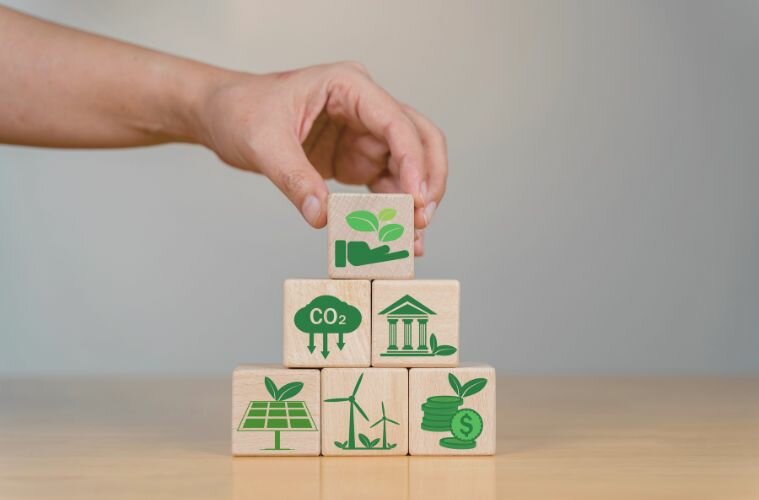
Research finds most carbon offset programs fail to deliver real emissions reductions. As net-zero strategies depend on offsets, the credibility of those claims faces widening scrutiny.
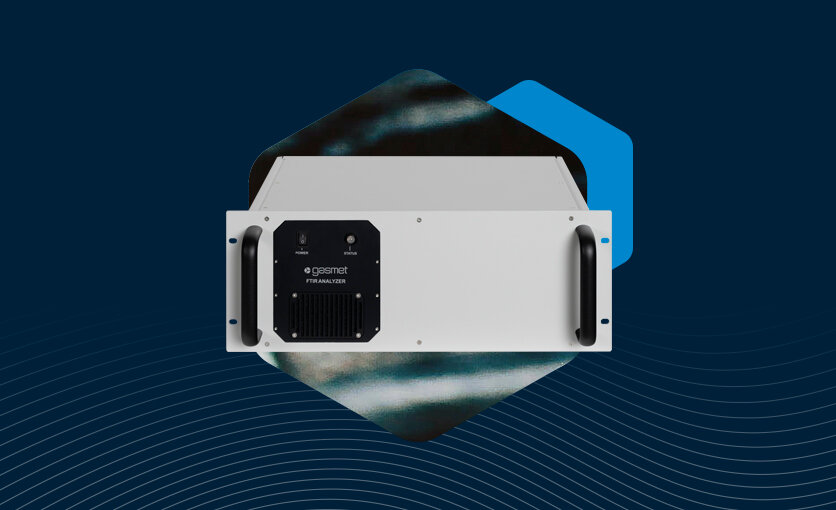
Gasmet’s GT7000 Tellus brings multi-gas FTIR analysis to fixed setups. It supports teams tracking emissions, CO₂ purity and process change.

MIT research shows third-party audited companies initially report 13.7% higher emissions. That is not failure. It is what honest measurement looks like — and regulators are watching.

Tier 1 buyers are discovering that subcontracted compliance failures move up the liability chain faster than most procurement frameworks were designed to handle.

PIMCO's 2025 Sustainable Investing Report covers $645B in sustainability strategies, 1,300-plus corporate engagements, and expanded ESG and climate frameworks across fixed income.

A UN carbon market decision this week reopens the most scandal-prone credit category in market history. Sustainability teams holding older credits need to review them before auditors do.

A new electrified cement process could cut energy use and emissions. Using waste cement as feedstock, UBC researchers report a possible circular route.
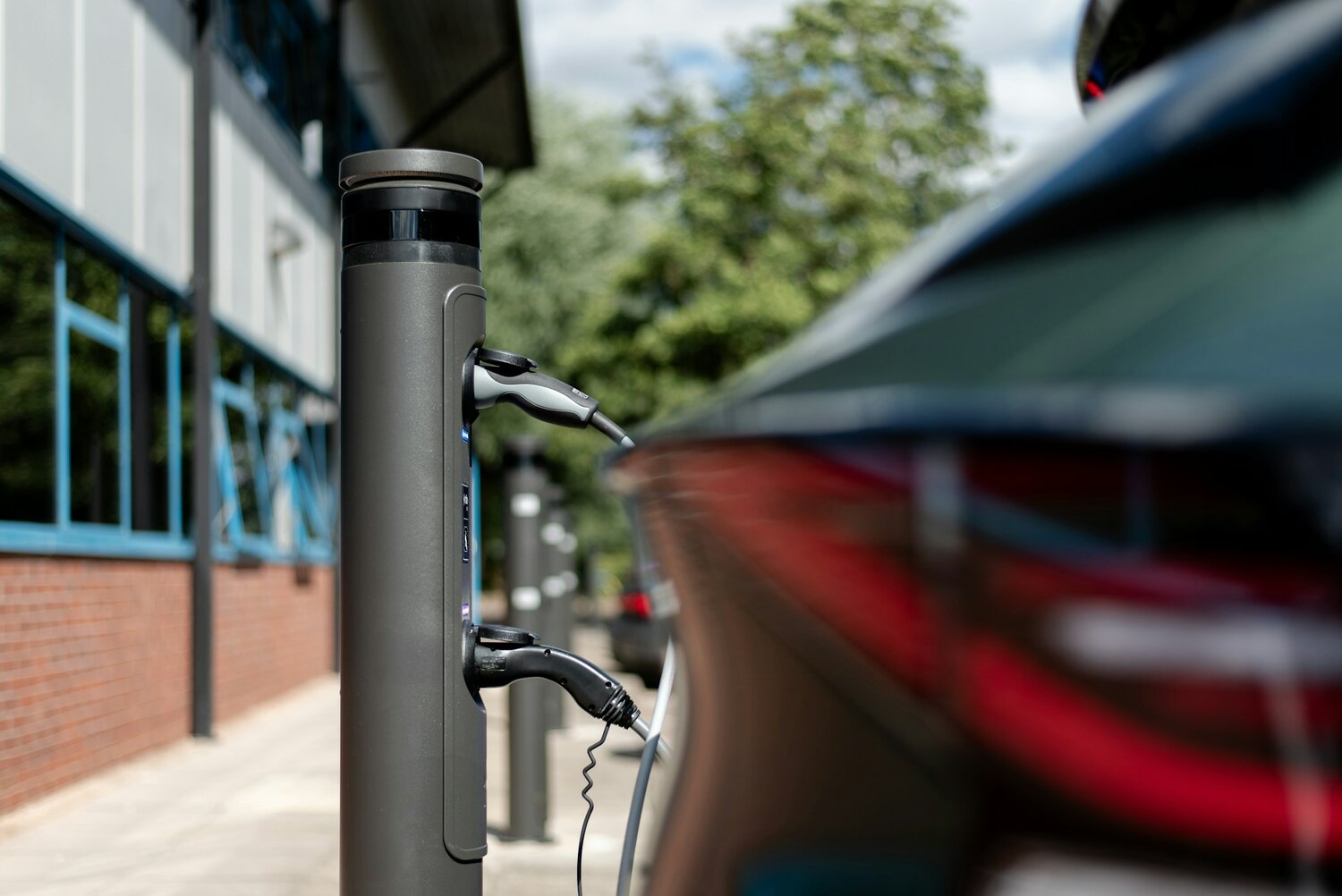
InstaVolt is using battery storage to cut grid pressure and support faster EV charging. The move could help operators grow while connections lag.
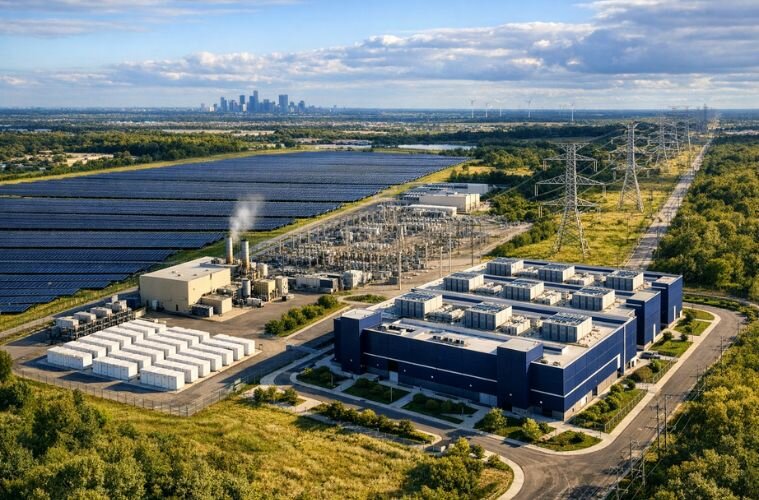
The leading edge of corporate energy procurement in 2026 is not a sustainability conversation. It is an infrastructure conversation.
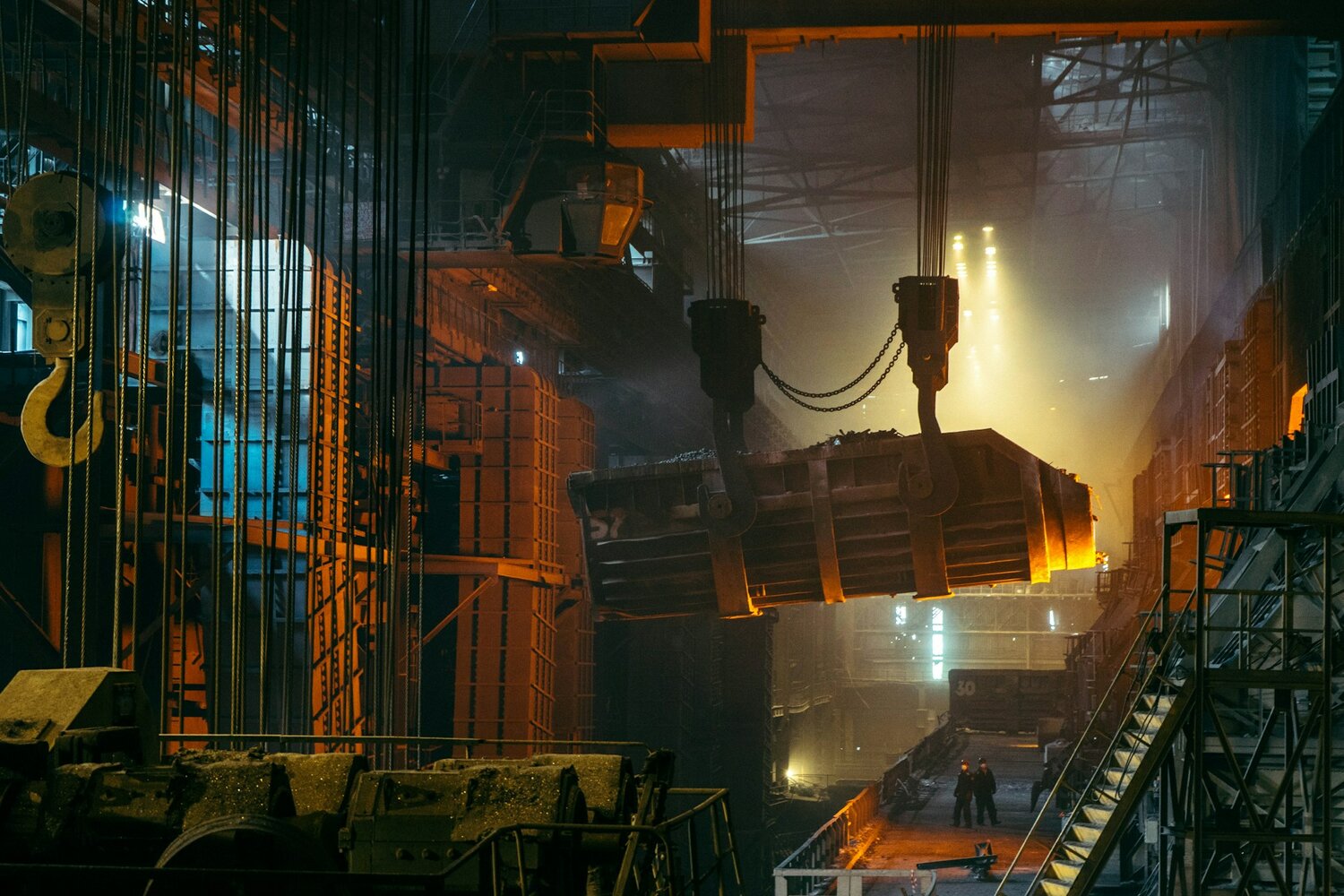
SANY is scaling local production as global equipment rules tighten. Its 2025 report links electrification, digital oversight and compliance.

Terra is moving low-carbon cement closer to market. Its Texas plant could show whether cleaner concrete can scale without major supply chain disruption.

The cost of not investing in climate health systems is quantifiable, and the financial return on investing in them is exceptionally high.

The companies that built their energy strategy around efficiency are discovering a gap between what that strategy promised and what it has delivered.

Federal and state environmental compliance obligations are converging on 2026 and 2027 deadlines. What C-suite and legal leaders need to understand about the compounded exposure.

Scope 3 emissions in supplier networks are outpacing facility-level efficiency gains. New data and GHG Protocol revisions are raising the stakes for sustainability leaders in 2026.

Bridgestone and Penske tested lower-emission fleet strategies over 500,000 miles. Results show tire, fuel and routing changes can deliver near-term cuts.

The voluntary carbon market has a credibility problem that is no longer contained to specialized environmental circles.