

Isolated targets no longer cut it. Kenvue's climate lead makes the case for treating supplier collaboration as a core business capability, not a checkbox.

Rodale is betting $139 million on moving 10 million U.S. acres into organic production. Farmer economics and clear tracking will decide if it works in practice.

Syngenta and Groundwork BioAg are pairing fungal crop inputs with soil carbon programs. Farmers could gain soil benefits and fresh revenues from carbon credits.

Biochar is getting a real-world road test. Verde and Ergon are moving their cold paving partnership toward field projects, carbon credits and commercial use.

Building electrification replaces fossil-fueled heating, hot water, cooking, and some process loads with high-efficiency electric systems. Here’s how the U.S. economics, financing options, grid constraints, and building performance mandates are reshaping capital planning — and what owners should check before committing to a retrofit.

Volvo is putting greener materials inside its newest truck cabs. The move brings recycled plastics, fibers and certified wood into VNL and VNR models.

Costa Rica's experience illustrates what happens when environmental protection is treated as an economic design problem rather than a compliance obligation
Tariff volatility, critical mineral concentration and supplier concentration have shifted the sources of procurement leverage heading into Q3 2026.
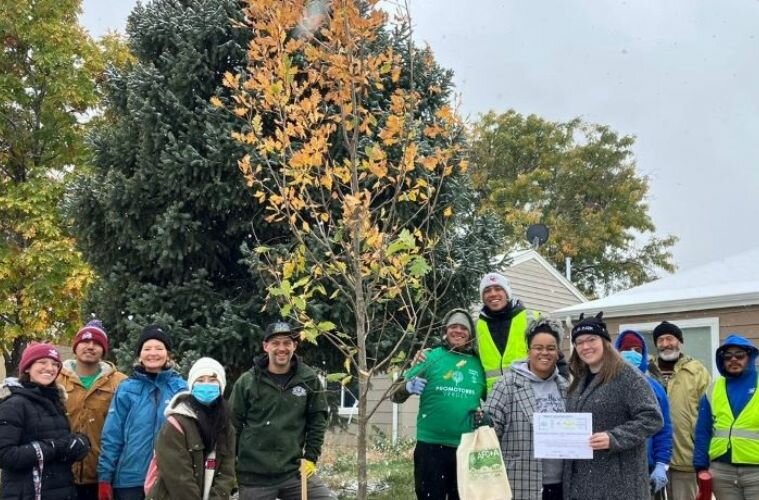
Colorado CDPHE is accepting applications for its Environmental Justice Grant Program, funding up to 10 projects in pollution-impacted communities.

Many organizations entered 2026 expecting normalization. Q2 suggests the second half will be defined by adaptation rather than recovery.
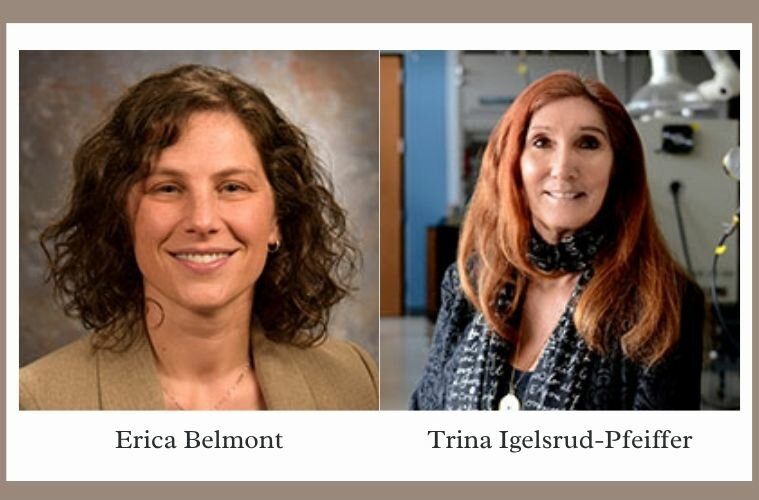
A new University of Wyoming project highlights how DOE increasingly views coal plants as platforms for critical minerals, water savings, and carbon capture.

Climate litigation, conflicting regulations, and unresolved ownership rules are creating new obstacles for voluntary carbon markets just as corporate demand is expected to grow.
DOE selected TerraSpark Energy Campus in Grant County, West Virginia for up to $18.5 million to advance engineering and permitting for a 1.6 GW coal-with-carbon-capture project.

Bio-PDO is moving from green claim to measured carbon data. The latest LCA gives buyers clearer evidence on renewable inputs.
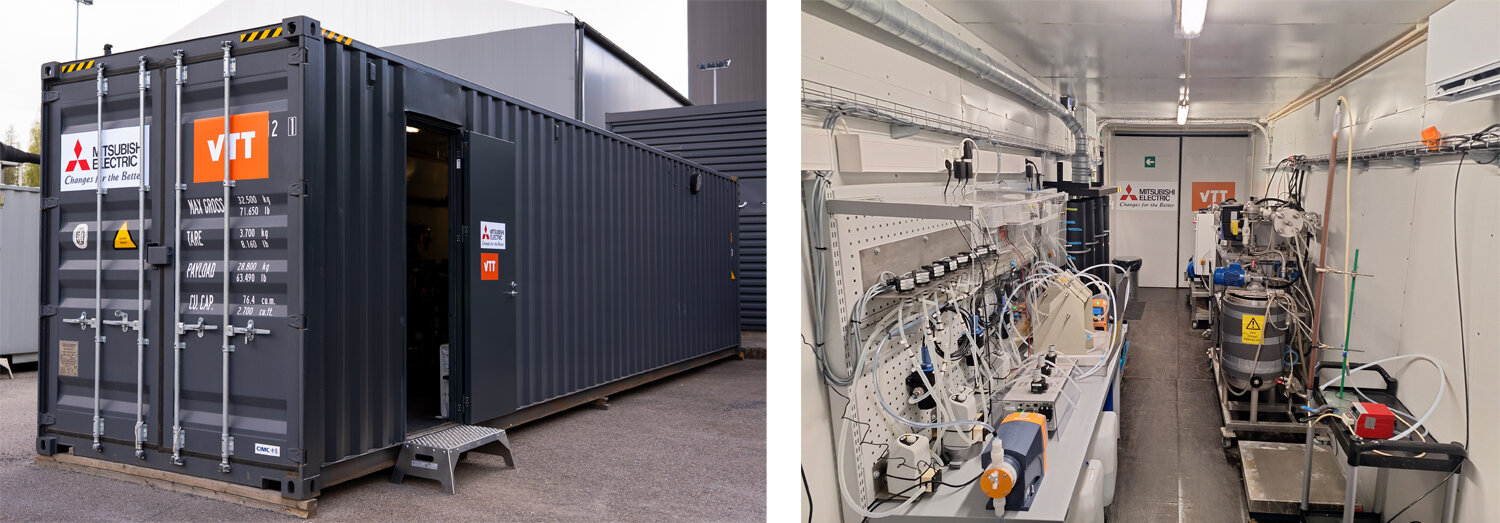
Mitsubishi Electric and VTT are preparing a direct ocean capture system for coastal trials. The work could test seawater's role in scalable carbon removal.
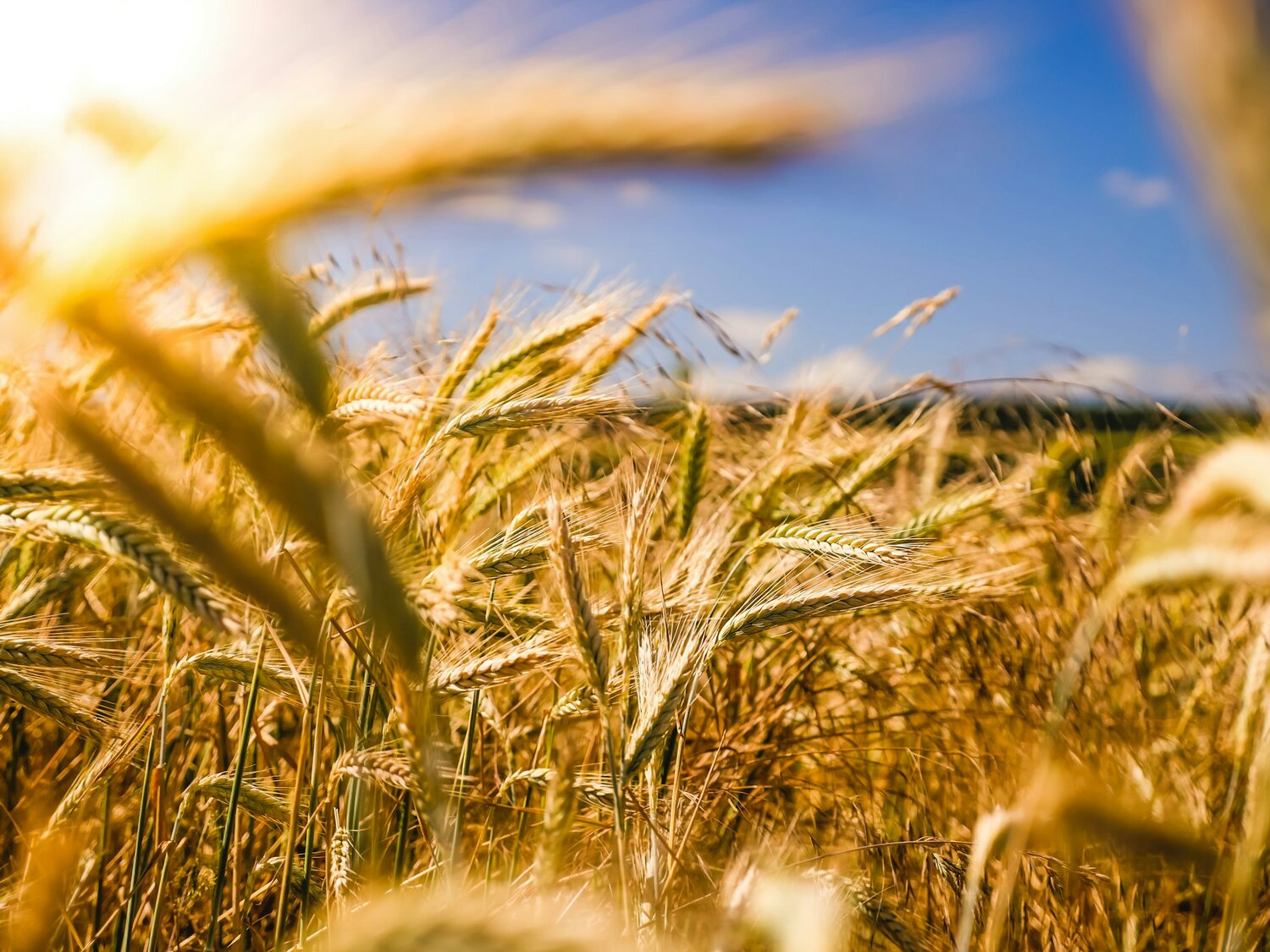
Switch Bioworks is testing microbial fertilizer in Midwest corn fields. The trials will show whether engineered microbes can support nitrogen delivery at scale.
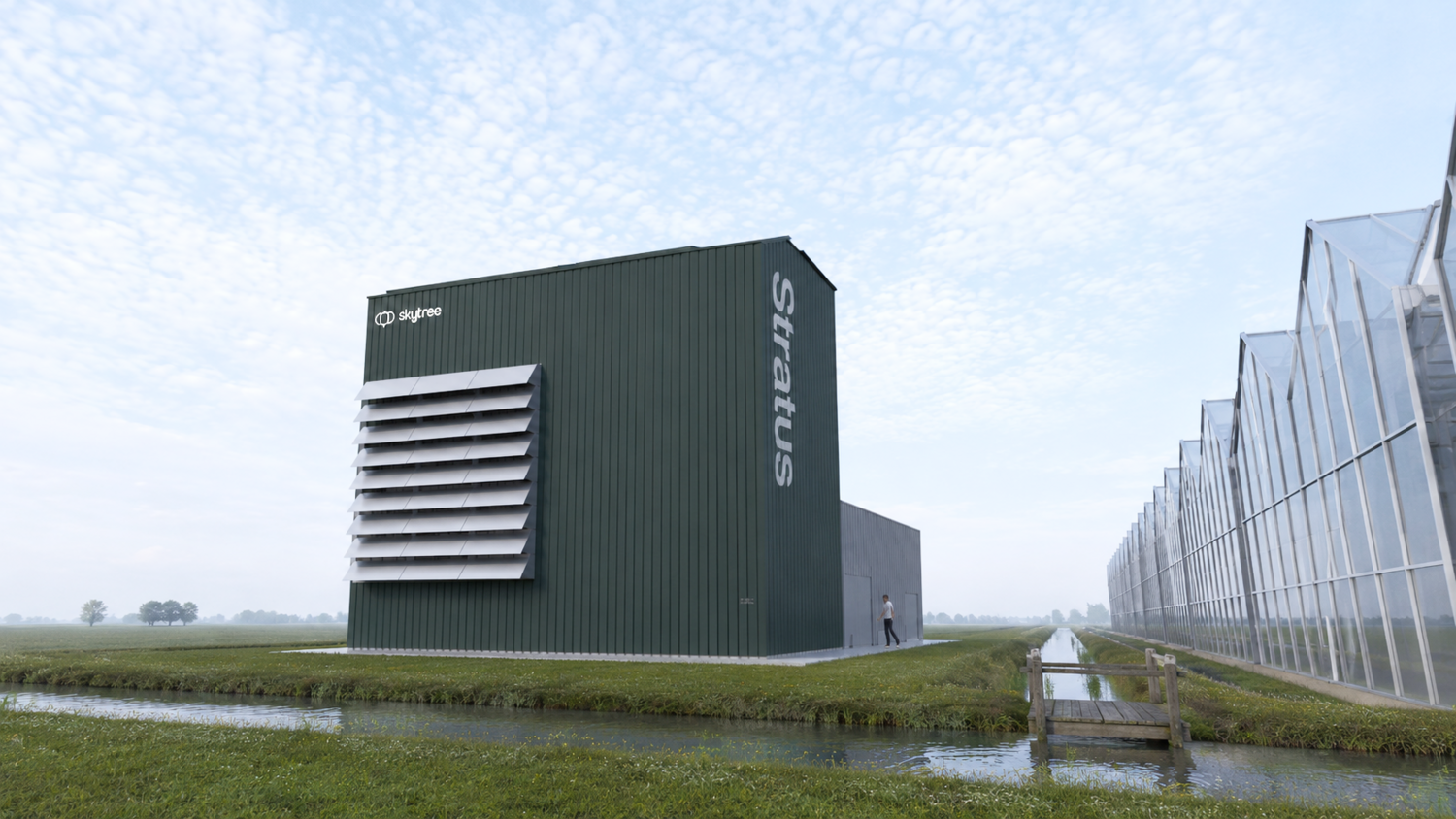
Skytree and Lingezegen Energy are bringing direct air capture into Dutch greenhouses. The project could make fossil-free CO₂ a practical crop input.

Sustainability teams must now report the same data through CSRD, IFRS S1 and S2, CDP, and GRI at once. Software providers are splitting into two distinct categories to keep up.

Global climate reporting relies on emissions data collected under different methodologies, standards, and frameworks, making cross-border comparisons more difficult than many assume.

South Africa has enacted one of the most ambitious sustainability disclosure frameworks on the African continent. What the framework requires and what most companies can actually produce are two different things.