

Gyre Energy has secured $1.3 million to expand its AI cooling platform. A major cold-chain project could test whether earlier savings continue at greater scale.

Consumer Reports detected no PFAS above its threshold in 18 baby wipe brands. No federal standard requires manufacturers to test or disclose PFAS content in personal care products.

A $66 billion market shift in food service packaging is being driven by regulation and major buyer mandates.

As federal PFAS standards enter implementation and Superfund liability expands, litigation exposure is broadening beyond manufacturers.

New testing across major brands suggests recycled polyester sheds more microfibres and “recycled” claims may be inconsistent—raising ESG and compliance risk.

FlexImpact, launched by the FPA, aims to unite the packaging sector around sustainability and service. The program kicks off at FlexForward 2025 in New Orleans.

Clip Strip Corp. launches Eco-Clip Strip® displays with landfill-degradable plastics, targeting retailer and CPG sustainability commitments.

Eco Love, a U.S.-based lifestyle brand, is bringing sustainable household essentials made from bamboo, glass, and stainless steel to market, offering a scalable model for toxin-free, circular design in consumer goods.

A graphene oxide coating could replace toxic PFAS in food packaging. It’s strong, safe, and ready for real-world use across industries.

UK firms face mounting pressure over microplastics. Weak laws risk trade, costs, and market access as international rules advance.
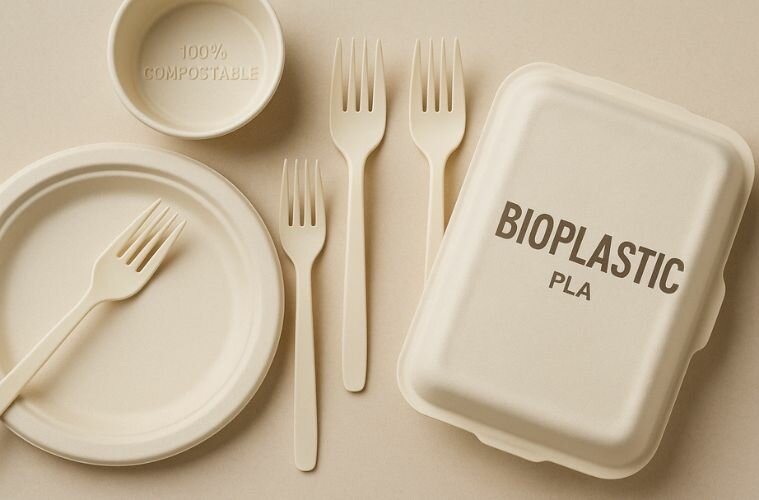
New research suggests common starch-based bioplastics may cause insulin resistance and liver damage—raising urgent questions about their safety in food packaging.
By integrating its proprietary Circular Design Metrics, DS Smith is enabling customers to quantify improvements, benchmarking material reduction, recyclability, and overall environmental performance.

A new study detects PFAS levels in migratory birds up to 180 times higher than expected, raising concerns for ecosystems and public health.
Berry Global and Mars advance circular packaging with 100 percent recycled plastic jars, reducing virgin plastic use by over 1,300 metric tons annually and driving sustainability.
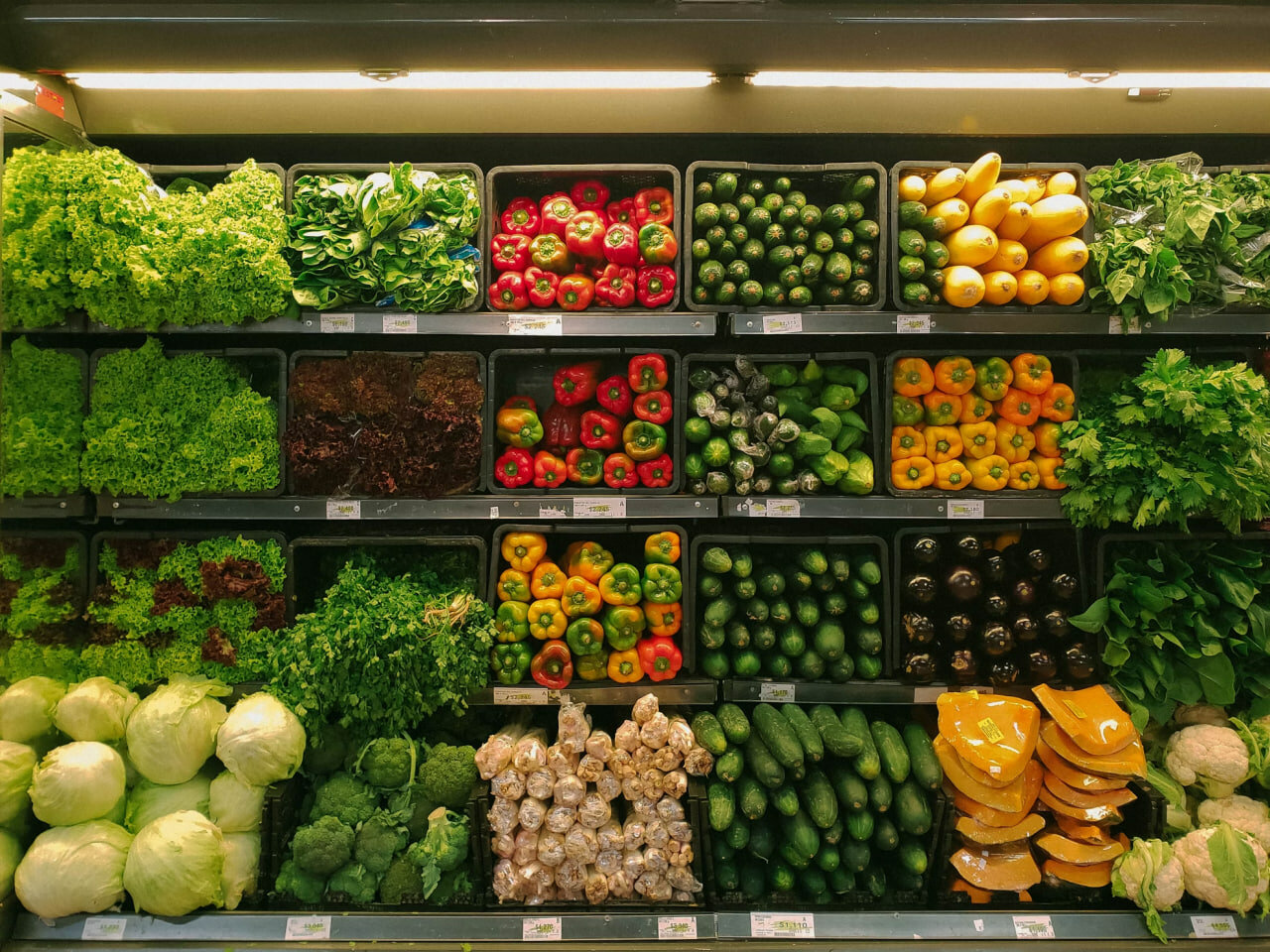
The future of food is shifting toward sustainability with circular economy principles. Regenerative farming and upcycled ingredients drive innovation.
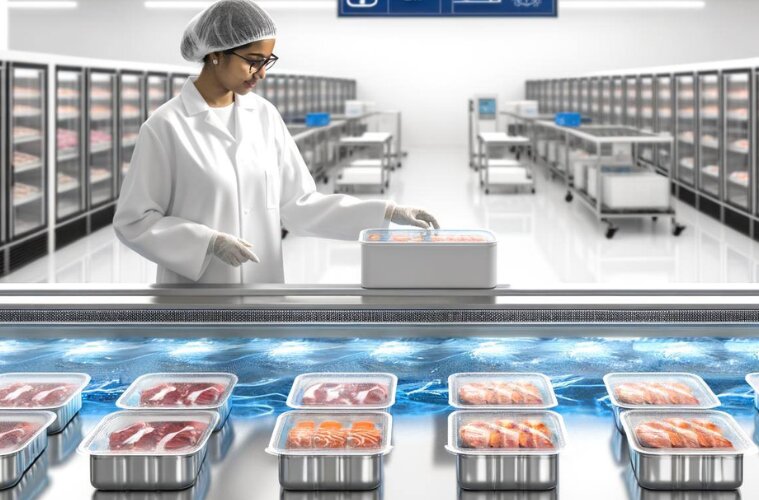
As the U.S. strengthens its position in the global food trade, innovative smart packaging solutions are emerging as critical tools for ensuring safety, freshness, and sustainability.

Communities across the U.S. can now access more detailed information on chemical releases with the EPA’s addition of nine PFAS to the Toxics Release Inventory.

Global climate progress in 2024 was mixed, with advances in climate financing and packaging laws offset by stalled plastic treaty negotiations.
In 2023, nearly 7,750 employees participated in leadership programs like Heartstyles and Coach Academy.