

More than £7bn is committed to UK batteries, but serious supply-chain gaps persist. Refining, factory delays and 2035 demand could test the sector’s next phase.

R3 Lithium has started operations at its Covington, Georgia, recycling plant. The site will now recover lithium carbonate from used batteries and scrap locally.

Ten-Nine is scaling its TENIX battery additive for commercial use. The material aims to extend cell life and reduce heat without redesigning batteries.

A DFARS rule expanding to cover the entire magnet supply chain collides with the possible expiration of China's export controls just weeks earlier.

A fresh $500 million DOE funding round targets electrolyte production, a battery supply segment still dominated by China, as Anthro breaks ground in Kentucky.

Lithium prices are recovering, but a steep drop in mining and exploration investment could leave future battery supply short of projects financed.
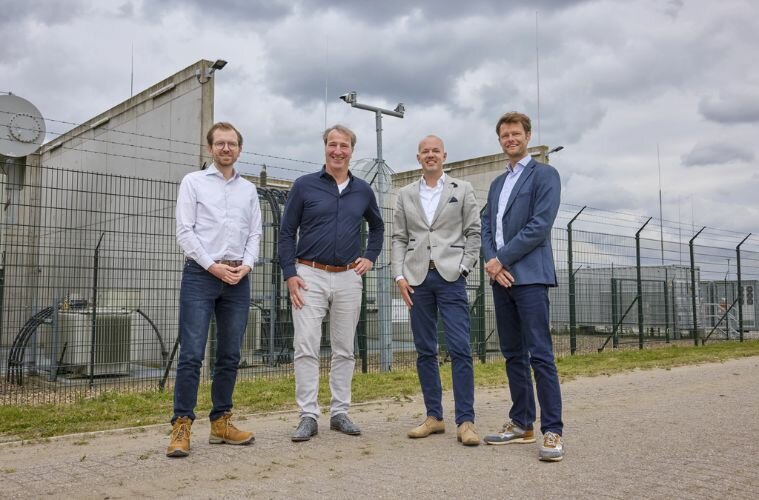
Windpark Zeewolde is pairing Europe's largest onshore wind farm with a new hydrogen-iron flow battery built for 10 to 40 hours of storage, not four.

UK battery technology company Integrals Power has been selected to supply its patented manganese-rich Lithium Manganese Iron Phosphate (LMFP) cathode active material …

Tariff volatility, critical mineral concentration and supplier concentration have shifted the sources of procurement leverage heading into Q3 2026.

The UK announced a $63.5 million critical minerals investment, funding rare earth magnet manufacturing, recycling projects, and a new industry demand aggregation platform.

Pipestone XL's awaruite target skips smelting and HPAL processing, offering procurement teams a domestic nickel-cobalt alternative aligned with IRA content requirements.

The regulatory framework for industrial radiography involves multiple federal and state agencies, dose limits that carry criminal exposure if violated, and compliance failures specific enough that inspectors arrive with a checklist most field crews have never read.

Why focusing only on carbon falls short. A deeper look at environmental impact categories shaping material decisions, risk, and long-term sustainability.

A new recycling method could recover more battery materials with less energy. The approach may improve supply stability and reduce waste.

Noon Energy's 100-hour battery hits a key milestone for clean power. The system tackles renewable gaps and rising energy loads from data centers and AI.

American Resources’ EMCO has begun receiving 2026 shipments of end-of-life lithium-ion batteries, supporting domestic preprocessing and refining of critical battery materials.

Mining waste may hold the key to securing critical minerals. Here’s how circular recovery is reshaping supply chains and reducing risk.

Flint’s paper battery tech is now in production, moving beyond R&D. The startup’s safer, PFAS-free cells are ready for pilots and early deployments.

Silicon-heavy anodes and nickel-rich cathodes are set to disrupt Li-ion markets. Performance, cost, and sustainability will shape the next wave of innovation.

RFF research finds the U.S. cannot achieve mineral independence alone. True resilience demands global cooperation and smarter trade alliances.