
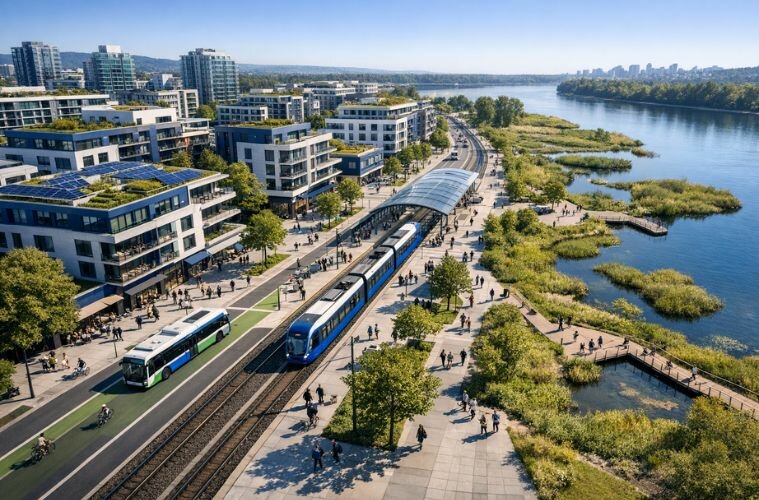
C40 Cities and UN-Habitat's Urban Planning Accelerator launched at the World Urban Forum with 33 cities committing to compact, climate-responsive development by 2035.

The move toward Iceland, Norway, and northern Canada is being driven by cooling physics and long-term climate trajectory as much as by renewable energy access.

Firefly, the Bristol-based sustainable aviation fuel developer, has partnered with Turkish engineering firm Altaca to secure the final upstream technology needed to bring its sewage-derived jet fuel to commercial scale.

As heat seasons grow longer and grid stress events hit more frequently, the transition points that were always the weakest links in temperature-sensitive logistics are failing at higher rates.

A record 800 gigawatts of renewable capacity came online in 2025. Behind that number is a fundamental shift in how business leaders are thinking about energy — less as a utility bill, and more as a source of competitive risk.

GAIA BioMaterials has gained European patent approval for PLA-free film materials. The compounds target compostable bags, aprons and other flexible uses.

The EPA proposed rules on May 18 retaining PFOA and PFOS drinking water limits while rescinding standards for four other PFAS. Compliance shifts to 2031 opt-in, and nearly $1B in new grants rolled out this week.

House FY2027 energy and water bill advances at $58.5B, cutting grid and clean energy programs sharply while boosting nuclear defense and water infrastructure.

Mexico's CFE declared grid emergencies three times in summer 2024 and reserve margins hit 3% in May of that year. For manufacturers who relocated to Mexico, summer reliability risk was not in the original location analysis.

El Nino drought cut hydropower output across South America in 2024-2025. For procurement and finance teams with Latin American operations, that is a seasonal power cost and curtailment risk standard contracts do not address.

Germany celebrated the shutdown of its last nuclear reactors in April 2023 as a moral victory. The nuclear exit was framed as a triumph of environmental responsibility: proof that a modern industrial nation could renounce 'dangerous' technologies and lead the world toward a cleaner future. A new analysis suggests the opposite happened.
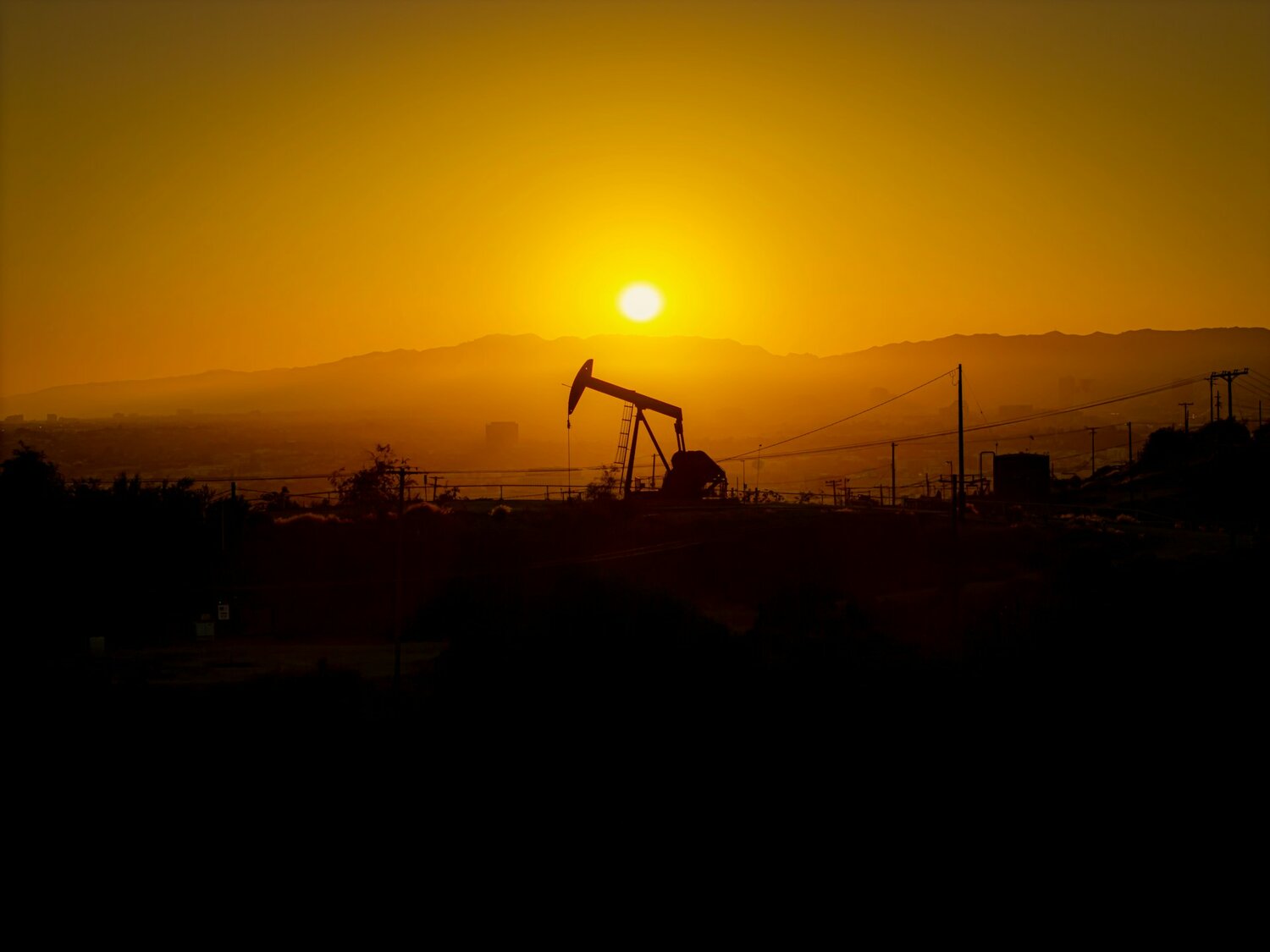
Aging wells often move to smaller operators. New research says these transfers could leave cleanup costs harder to fund.

Tornado damage put Wynne’s wastewater system under pressure. Its rebuild highlights how recovery can support stronger, lower-maintenance infrastructure.

ChargePoint and OBE Power will deploy 2,500 EV charging ports at multifamily housing in 2026, closing a charging access gap that affects millions of apartment-dwelling EV drivers across North America.

Two Adirondack Park towns passed battery storage moratoriums in March, bringing New York's total to 98. More than 1 GW of planned capacity is delayed as state fire codes and permitting legislation advance.

Wildfire smoke and ash degrade Alberta and BC transmission infrastructure far beyond fire proximity. Industrial operators in western Canada face a reliability risk window that starts earlier each year.

Wet bulb temperatures in the Gulf and South Asia are crossing physiological safety limits earlier each year. Most multinational heat protocols are not calibrated to where peak exposure actually occurs.

ABTC’s Nevada recycling facility posted record revenue and positive gross margin. The quarter shows early traction, though expansion risks remain.

A new electrified cement process could cut energy use and emissions. Using waste cement as feedstock, UBC researchers report a possible circular route.

Vermont's Sustainable Data Centers Act has cleared both Senate committees and is now at third reading following a 26-to-3 floor vote on amendments.