

Project Jupiter is moving to a fuel cell microgrid. The shift highlights how AI data centers are rethinking power, water and local impact.

The cost of not investing in climate health systems is quantifiable, and the financial return on investing in them is exceptionally high.

Nine Florida schools earned Melbourne's 2026 ECO School Awards for integrating sustainability, conservation, recycling, and habitat programs into campus life and community engagement.

A 40,000-acre hyperscale data center and power generation campus cleared its first regulatory hurdle in northern Utah this week.

New Mexico launched a public dashboard to monitor its 50-year water action plan as the state faces a projected 750,000 acre-foot shortage

Researchers test a vibration based method to scale graphene production with lower energy use. Soon results show faster output and less environmental trade offs.

California’s $20M Project Nexus has completed construction on the first U.S. solar-covered irrigation canal, measuring water savings, power generation, and maintenance cost reductions simultaneously.

Crab shell waste may help control how bioplastics degrade in seawater. The approach could improve durability while supporting circular material use.
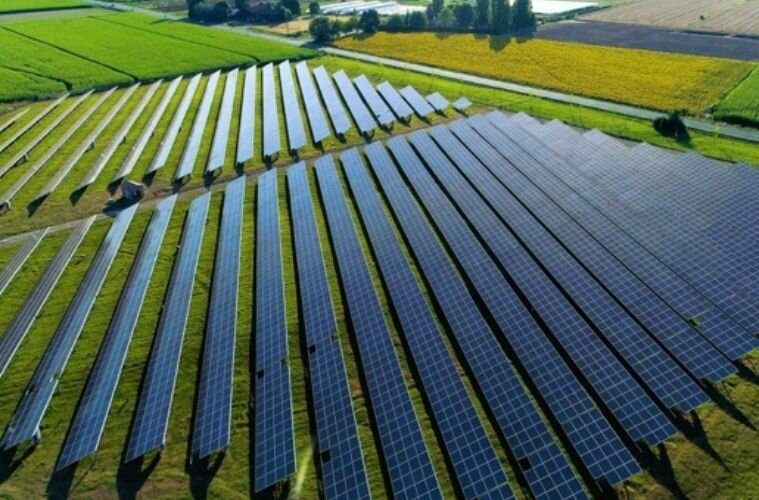
Virginia enacted SB508 April 22, directing Dominion Energy and Appalachian Power to assess unused solar interconnection capacity and pilot storage programs.

The GHG Protocol's Land Sector and Removals Standard takes effect January 2027. Its carbon opportunity cost methodology could significantly alter how biomass emissions are reported.

A new USGS tool shows where U.S. water supply and demand collide. It gives planners clearer data to assess risk and guide infrastructure decisions.

Water risk is now immediate for U.S. businesses. Contamination, rising demand, and uneven regulation are turning supply into a daily operational challenge.

EU restrictions and supply chain pressure are pushing labs to replace Triton X-100, turning green chemistry into a procurement and compliance priority.

The disclosure system was built to capture what companies believed about themselves — their goals, their trajectories, their commitments. It was not built to verify them.

Employees aren't just participating in Earth Day programs anymore — they're using them to decide whether their company's sustainability values are real or staged.

Coral reefs are declining at an alarming rate worldwide. New efforts in East Africa show how partnerships and technology can deliver measurable restoration.

Trump is setting aside a diplomatic rift with South Africa to protect one thing — U.S. access to rare earths.

North Carolina is directing $215 million to 66 water infrastructure projects, with most funds rebuilding systems damaged by Hurricane Helene.

Maine voted 21–13 to ban permits for data centers drawing 20MW or more through 2027 while a new state council evaluates grid and ratepayer impacts.

After more than 15 years of effort, Ghana has officially designated a 703-square-kilometer marine protected area at Cape Three Points to address fisheries collapse and food security.