

This shift is reflected in Canon Central and North Africa’s expansion of its coral conservation program into East Africa. The initiative builds on earlier activity across Europe, the Middle East, and Africa, but introduces a more localized model focused on integrating scientific restoration with community engagement. The approach aligns with a broader corporate trend: linking environmental commitments to region-specific implementation and measurable impact.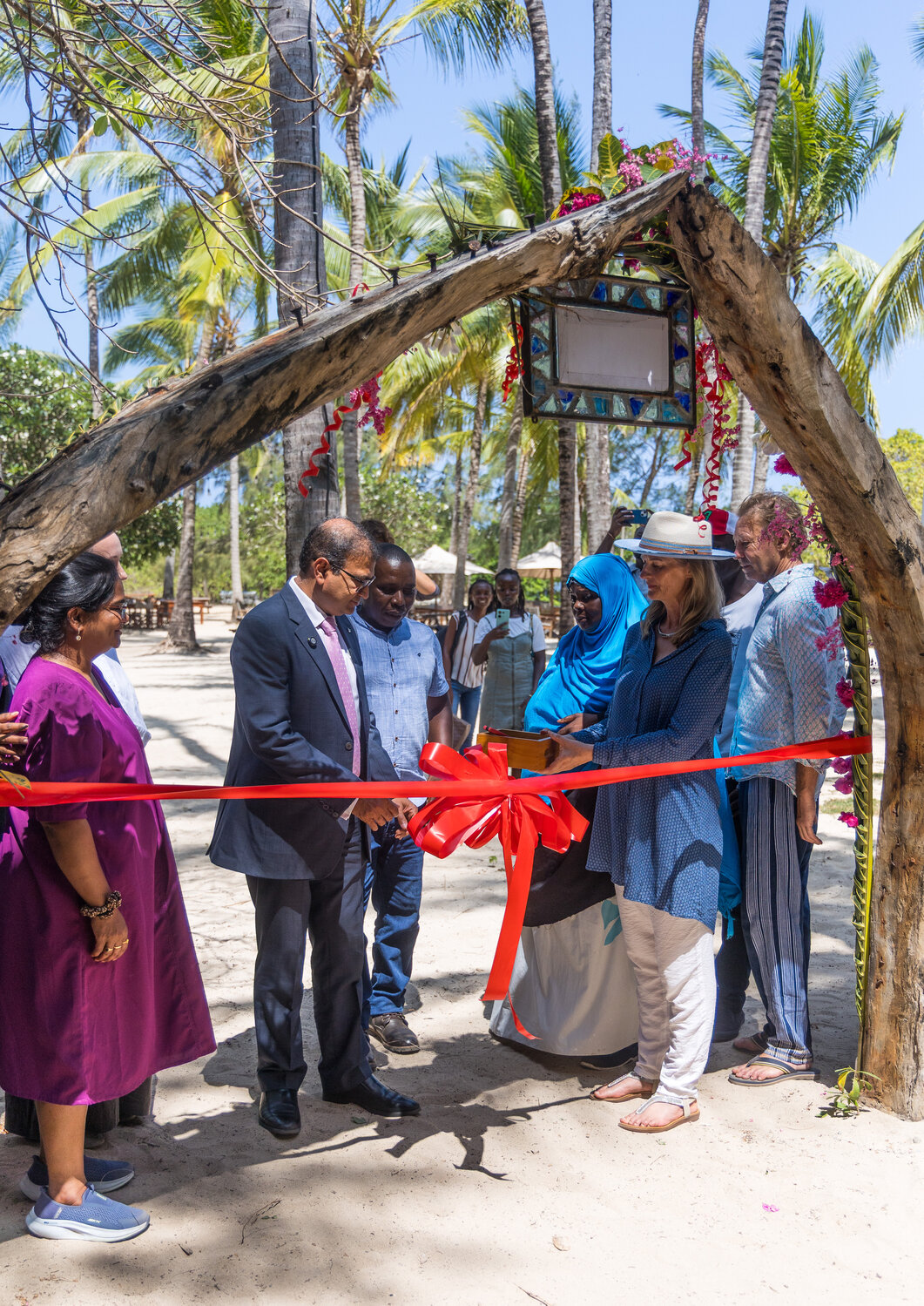
A key element of the program is its partnership with Oceans Alive Foundation, a Kenya-based nonprofit specializing in community-led reef restoration. The collaboration emphasizes the role of local stewardship in sustaining ecosystem recovery over time. Embedding conservation efforts within coastal communities is intended to move beyond short-term pilot projects and toward longer-term, self-sustaining systems.
Imaging technology plays a central role in the initiative’s monitoring and reporting framework. Advanced camera systems are used to document coral growth, bleaching patterns, and marine biodiversity, enabling more precise tracking of reef health. This reflects a wider adoption of digital tools in environmental science, where visual data is becoming increasingly important for measuring ecological change.
The use of imaging also supports transparency. By translating scientific data into visual formats, the program makes progress more accessible to a broader set of stakeholders, including local communities and project partners. This visibility can strengthen accountability while helping bridge the gap between research findings and public understanding.
Training is another component of the model. Local participants are equipped with the skills to capture and interpret marine data, expanding monitoring capacity while deepening community involvement. This approach supports both data collection and long-term engagement with conservation goals.
Coral reefs occupy less than 1% of the ocean floor but support roughly a quarter of marine species and contribute to fisheries and tourism economies. Their decline has direct financial implications for coastal regions, reinforcing the connection between environmental health and economic stability.
The East Africa program reflects this dual perspective. Reef restoration efforts are paired with initiatives aimed at supporting local livelihoods, illustrating how conservation can align with economic resilience. For companies, this model offers a framework for structuring sustainability investments that extend beyond standalone CSR activity and toward integrated, outcome-driven strategies.
As businesses face increasing pressure to address climate and biodiversity risks, initiatives that combine scientific monitoring, local partnerships, and transparent reporting are likely to become more prominent.


