

BioMADE is backing 14 projects with $21.4M in funding. The focus is practical: recover critical materials, improve bio-based production and train workers.

Building energy models were calibrated against climate conditions that no longer exist. Facilities leaders need to understand what that means for efficiency projections and equipment design.

Gateway Fleets’ 100-truck order shows a more practical path to EV adoption. The model bundles vehicles, charging and support for delivery operators.

California's geothermal planning bill AB 526 died in Appropriations in 2025. A companion CEQA bill was vetoed. Here is where California's in-state geothermal strategy stands now.
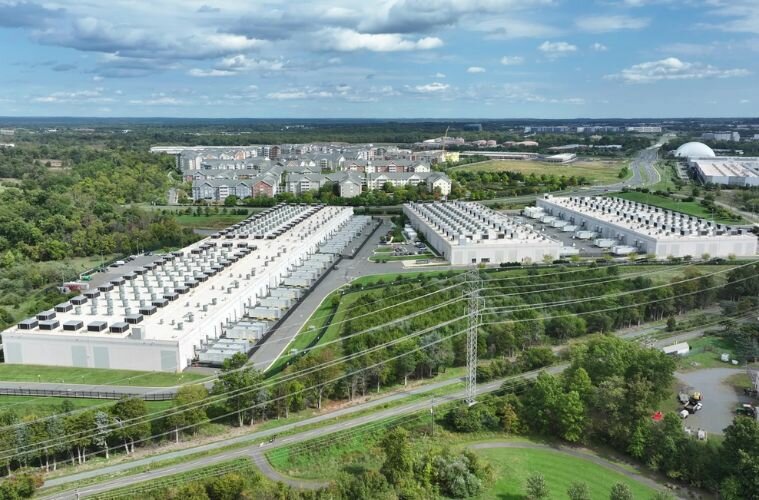
The arithmetic of corporate energy efficiency has stopped working for a growing number of technology-intensive companies.

Mosaic SoC has raised $3.8m to support lower-power spatial awareness. Its chips target wearables, AR glasses and phones where battery life is critical.

School districts are expanding solar projects beyond pilot phases. By pairing generation with efficiency upgrades, they aim to cut costs and emissions.

A new class of small wind turbines is challenging long-held assumptions about where distributed wind energy works.

Corporate budgets are forcing a choice between efficiency upgrades and resilience investments. What operations leaders need to understand before Q3 capital planning.
American Microgrid Solutions expands its partnership with Schneider Electric to accelerate resilient microgrid deployment, highlighted by the Hillandale Gateway project in Montgomery County, MD.

Efficiency upgrades in commercial buildings are delivering diminishing returns. What facility managers need to know about the economics and what to prioritize next.

U.S. battery supply chain plans are shifting into real projects. New federal funding is backing domestic electrolyte production and reducing reliance on imports.

Verdantix research shows corporate off-site renewable spend growing 34% through 2030. The gap between signing PPAs and managing them is where financial exposure quietly accumulates.

AI infrastructure build-out is running into a constraint capital can't solve: the grid can't deliver megawatts as fast as investment wants to move.

Most organizations have an energy plan. Fewer have a strategy built on current infrastructure realities. The difference will become measurable and expensive over the next 18 months.

Uranium demand is rising, but supply remains slow to respond. A Saskatchewan project is testing whether faster development can help close the gap.
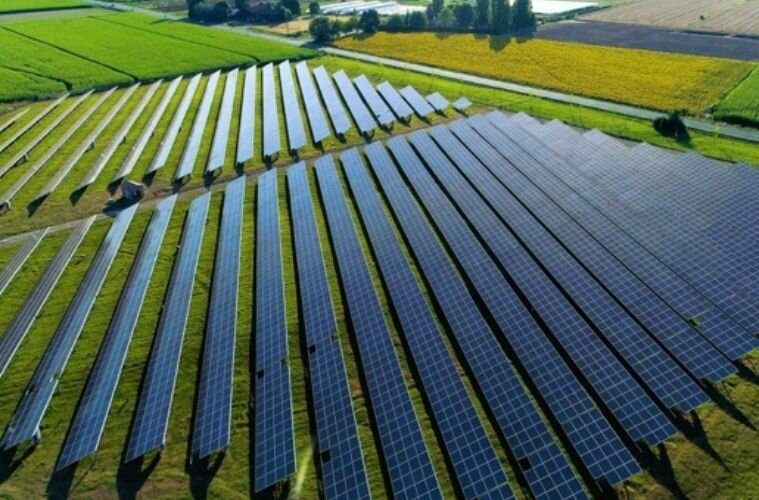
Virginia enacted SB508 April 22, directing Dominion Energy and Appalachian Power to assess unused solar interconnection capacity and pilot storage programs.

Sustainability-linked bonds tied to electrification milestones assume the borrower controls the timeline. Grid access constraints are proving that assumption wrong in a growing number of cases.
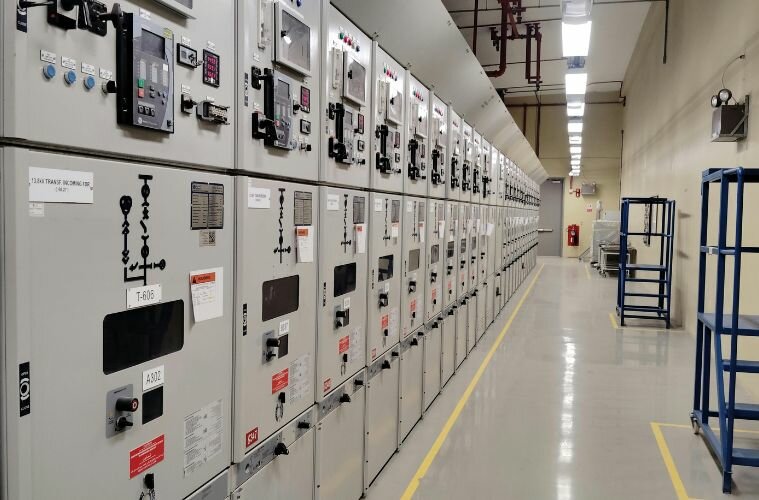
NERC flagged more regions at elevated grid risk than any prior assessment. Demand response enrollment windows are closing. Backup systems need testing before the season starts.

Home batteries are now earning income by supplying energy to the grid during peak demand. Programs in Maine highlight their growing role in grid stability.