

Taiwan is freezing industrial power rates and planning grid capacity around named fabs, while TSMC secures its own dedicated generation rather than wait.
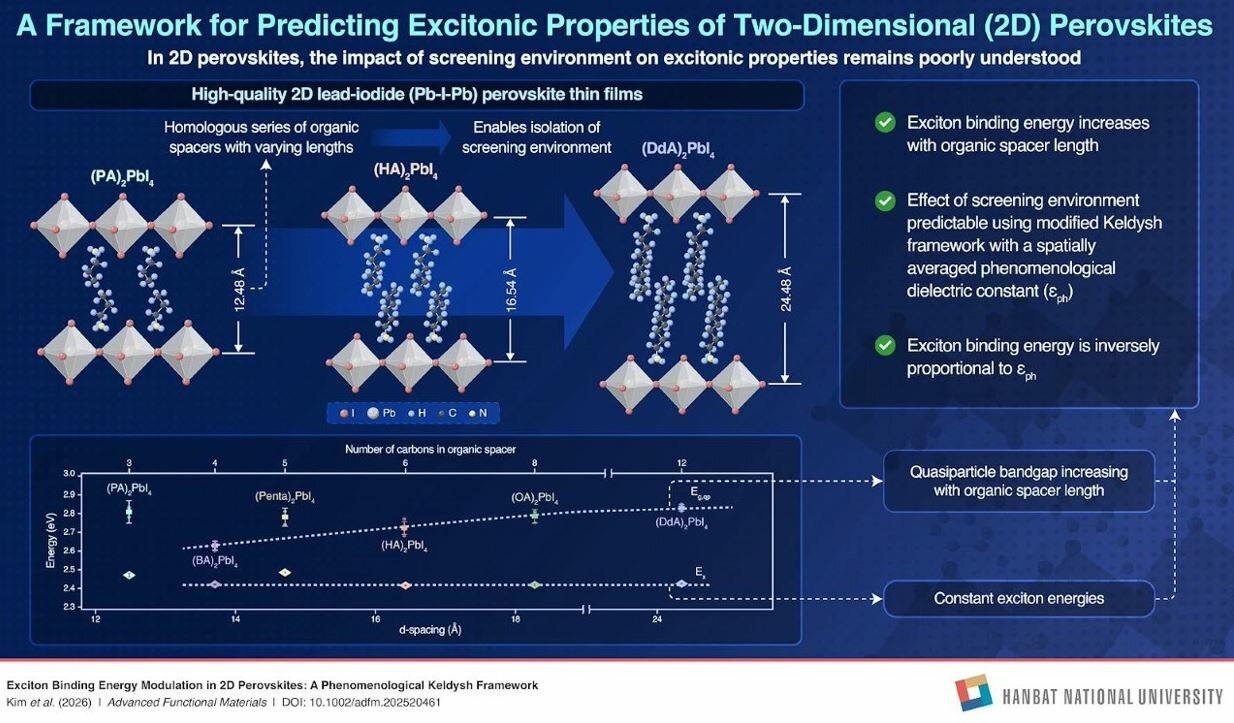
A new model shows how tiny spacer layers change 2D perovskites. It could help engineers design better LEDs, solar cells and other light-based devices.
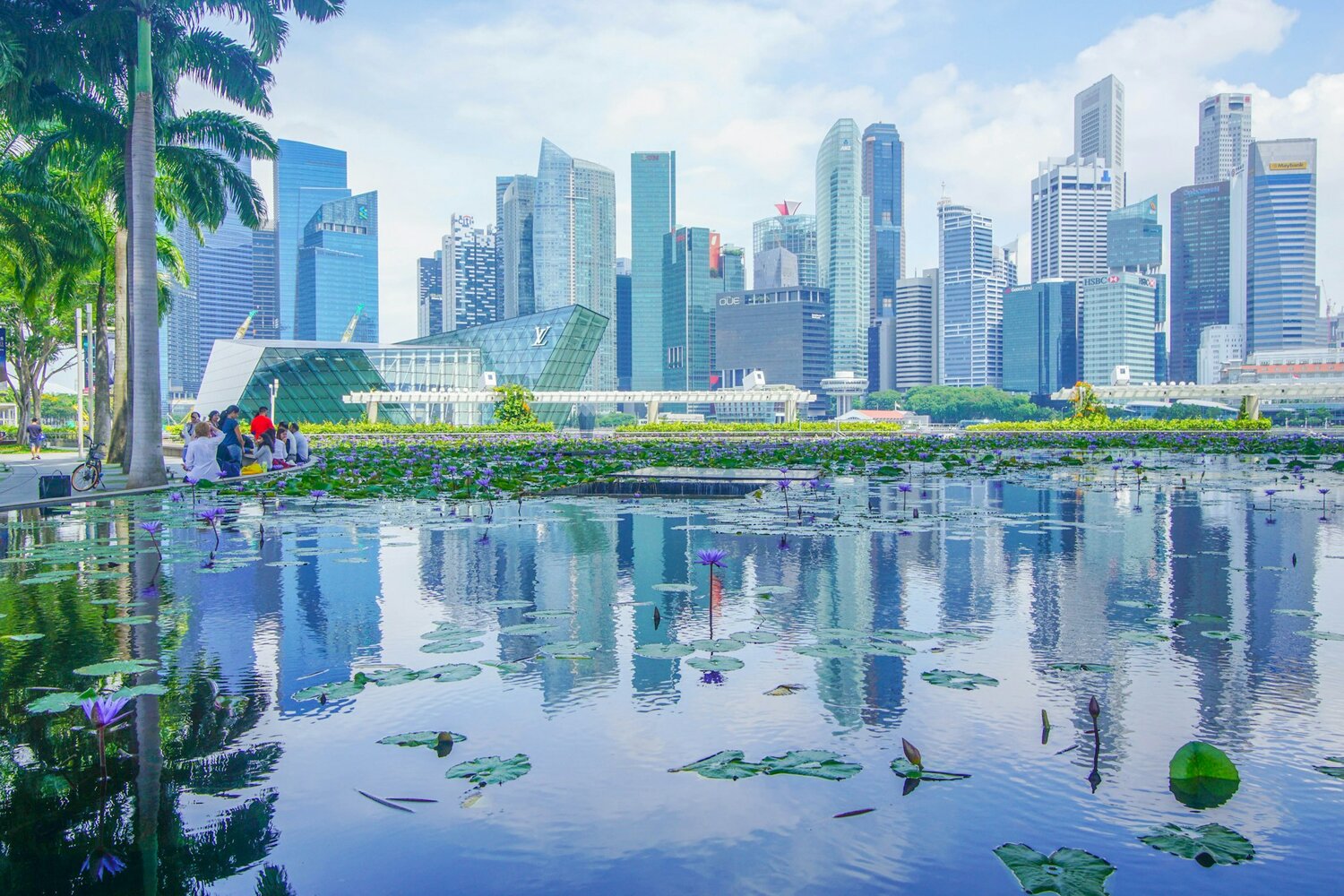
MediSun and Yanrun are launching a Singapore JV for brine recovery. The move targets industrial water reuse markets facing tighter rules.

Rivian is linking its EVs to utility managed-charging programs. The ChargeScape deal could help drivers cut costs while giving utilities more flexible load.
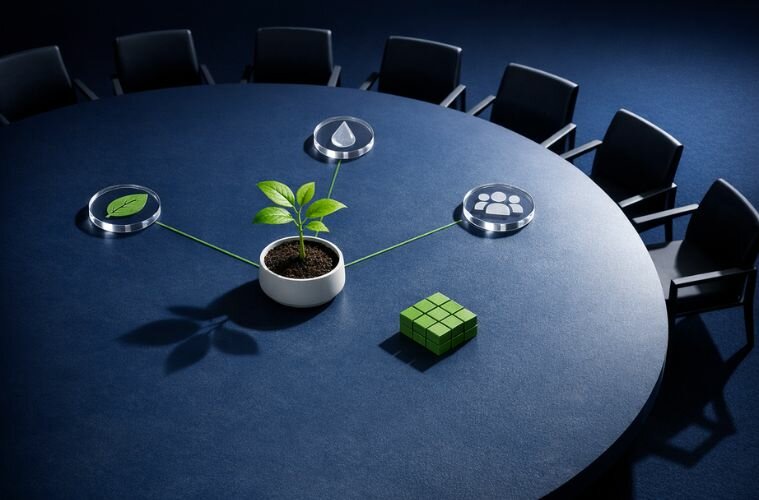
The Global Environment Facility's latest funding cycle prioritizes biodiversity, climate resilience, water management, and clean energy projects through 2030.
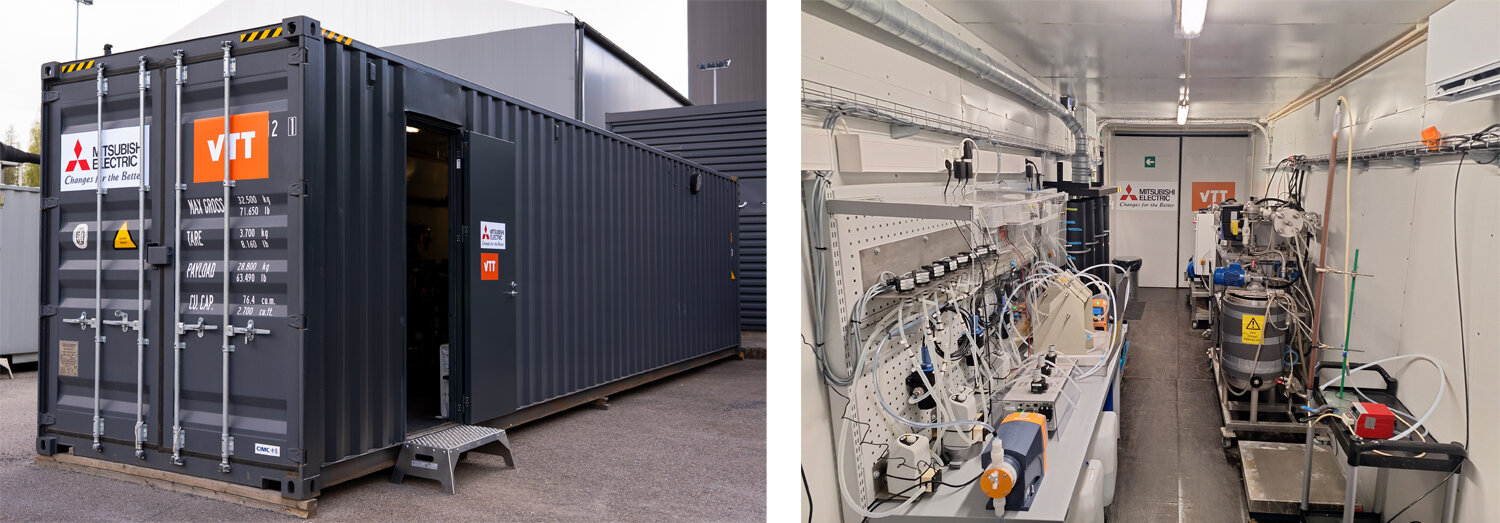
Mitsubishi Electric and VTT are preparing a direct ocean capture system for coastal trials. The work could test seawater's role in scalable carbon removal.

Zurich Resilience Solutions analysis of 1,380 Southeast Asia renewable energy sites finds 75% of planned capacity at critical climate risk by 2030 and $165 billion in value at stake.

Singapore, Malaysia, Indonesia, and Thailand have enacted mandatory sustainability disclosure. Third-party assurance lags years behind, leaving a gap between what is filed and what can be trusted.
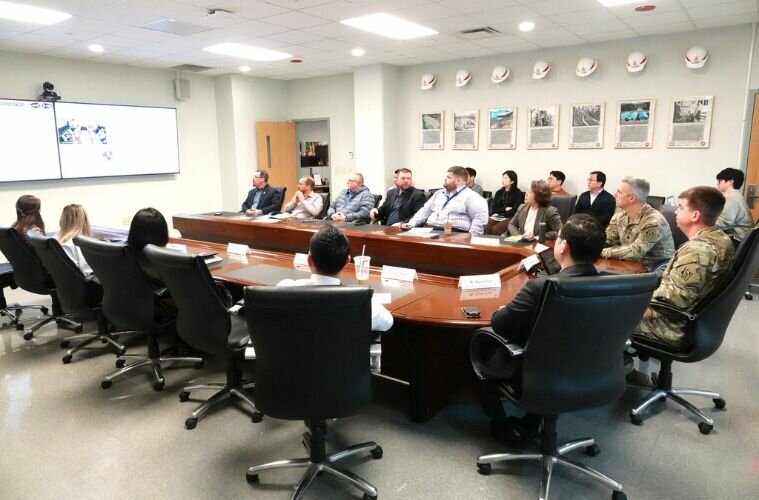
The Army Corps of Engineers Far East District just earned the Army Safety Star after seven years of work. What that process requires puts the Longview disaster in sharper context for EHS leaders.
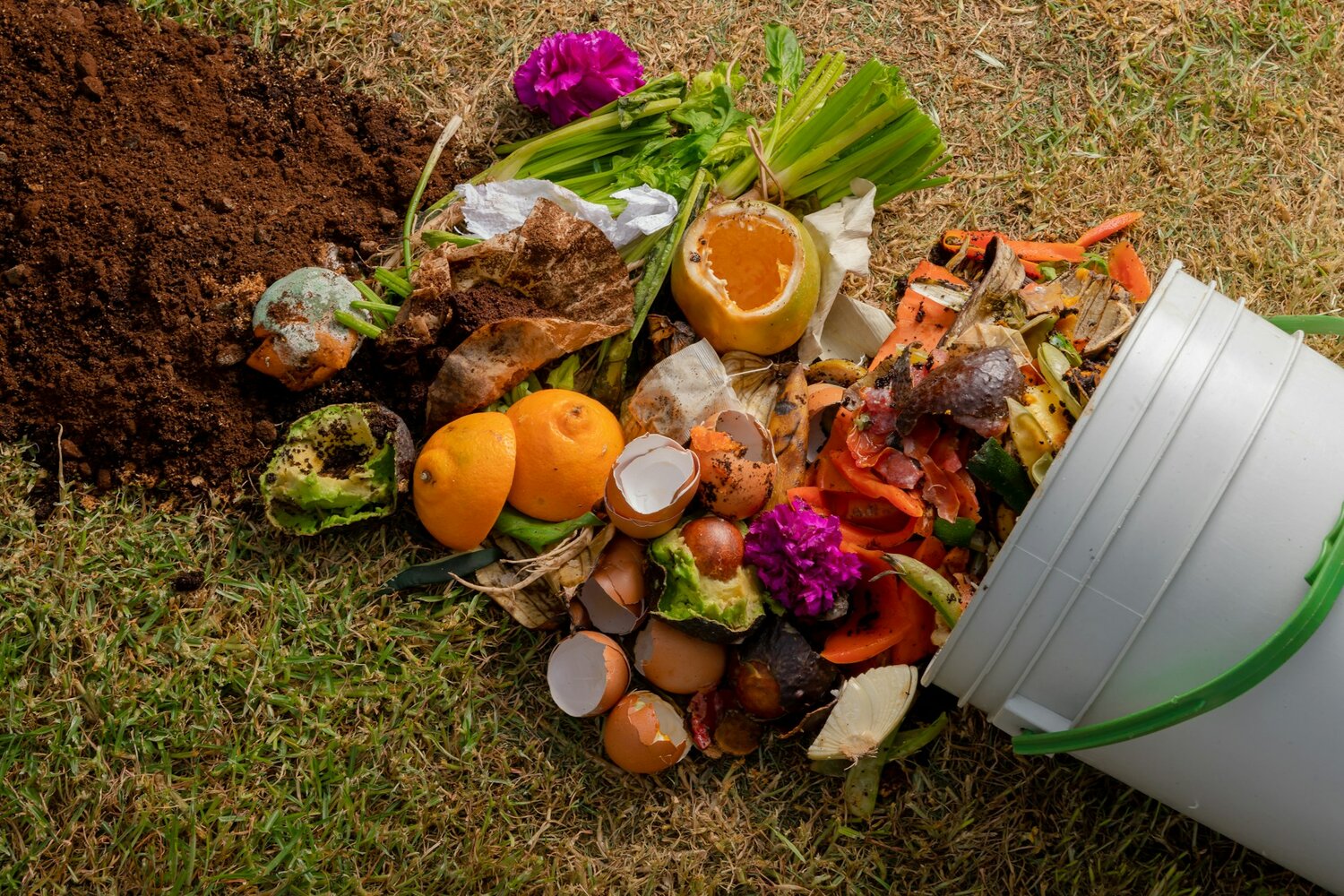
Waste is moving from disposal cost to business asset. Circular systems can turn plastics, sludge and organics into energy, materials and resilient supply chains.

Idaho's April trade mission to Japan and Micron Technology's accelerated Boise fab timeline are positioning the state inside the semiconductor and AI supply chain buildout reshaping U.S. industrial geography.

Wet bulb temperatures in the Gulf and South Asia are crossing physiological safety limits earlier each year. Most multinational heat protocols are not calibrated to where peak exposure actually occurs.

A convergence of policy changes, carbon pricing, corporate decarbonization pressure, and rapid growth in corporate PPAs is reshaping how companies operating in Japan evaluate electricity procurement.

A Utah-Japan pilot will test tungsten recovery from old mine tailings. The project could support cleaner critical mineral supply chains.
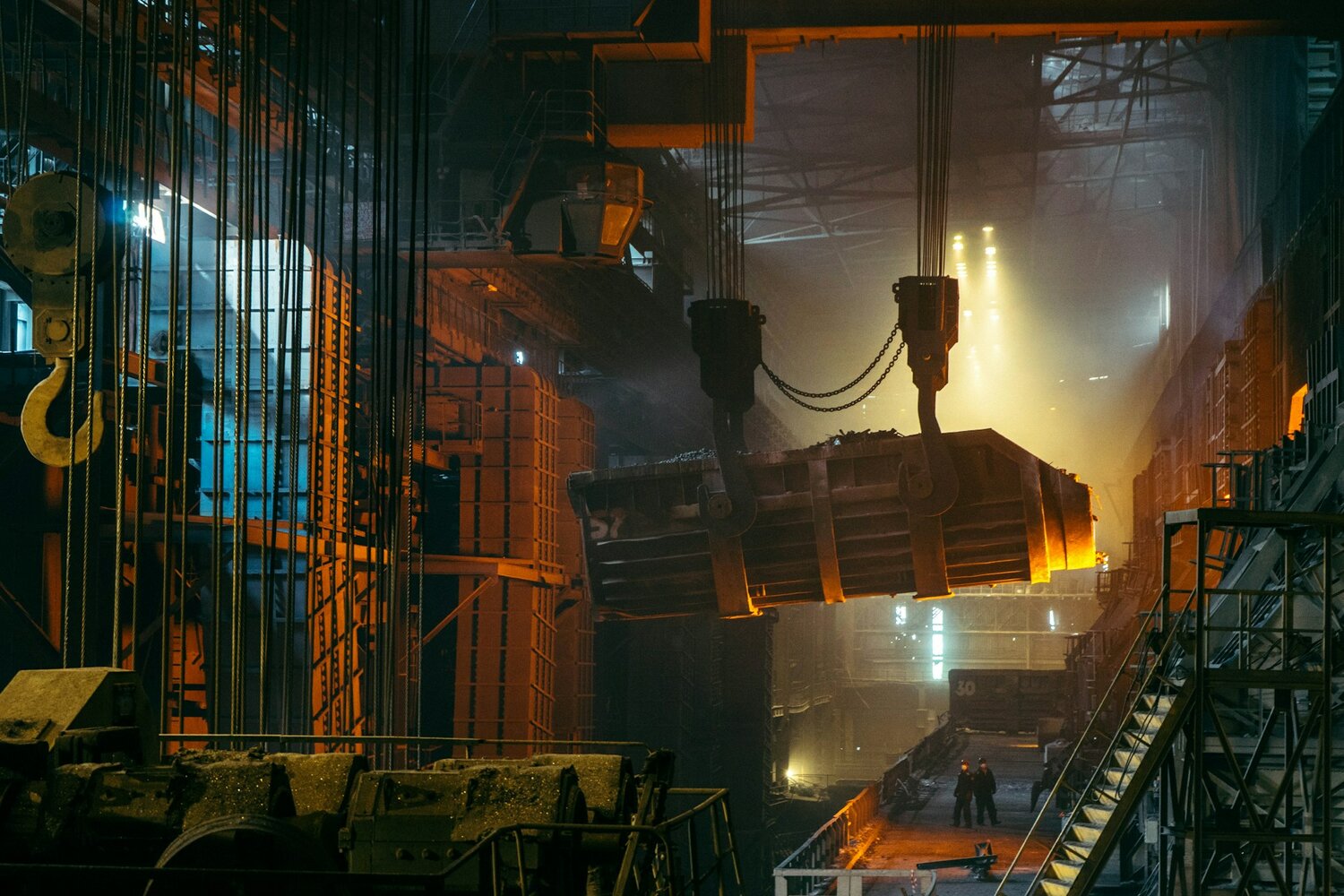
SANY is scaling local production as global equipment rules tighten. Its 2025 report links electrification, digital oversight and compliance.

The Hormuz closure did not create new risk in corporate energy portfolios. It made visible the risk that was already priced at zero.

Four months of rainfall deficiencies have pushed water storage and soil moisture to critical levels across eastern Australia, with record lows recorded in New South Wales.

China’s zero-tariff policy for African imports removes barriers, but infrastructure, financing, and production gaps may limit real trade transformation.

Renewable growth is proving less predictable than expected. New AI modeling shows wind and solar expand in bursts, reshaping how forecasts are built.

UNSW's new $5 million research hub aims to prevent a supply chain crisis by tackling Australia’s fast-approaching solar waste problem and accelerating recycling infrastructure.