

The data is better than it has ever been. It is also revealing something uncomfortable: visibility and control are not the same thing.

Organizations that can demonstrate command over their value chain emissions are differentiating themselves in procurement decisions and investor conversations in ways that organizations relying on estimates cannot match.

The market is rewarding assets that have already cleared permitting, interconnection, and financing. Everything else is waiting longer and competing harder for what remains.

A Verdantix survey of 350 energy leaders found energy price volatility is now the top obstacle. Companies treating resilience as backup power are carrying growing competitive exposure.
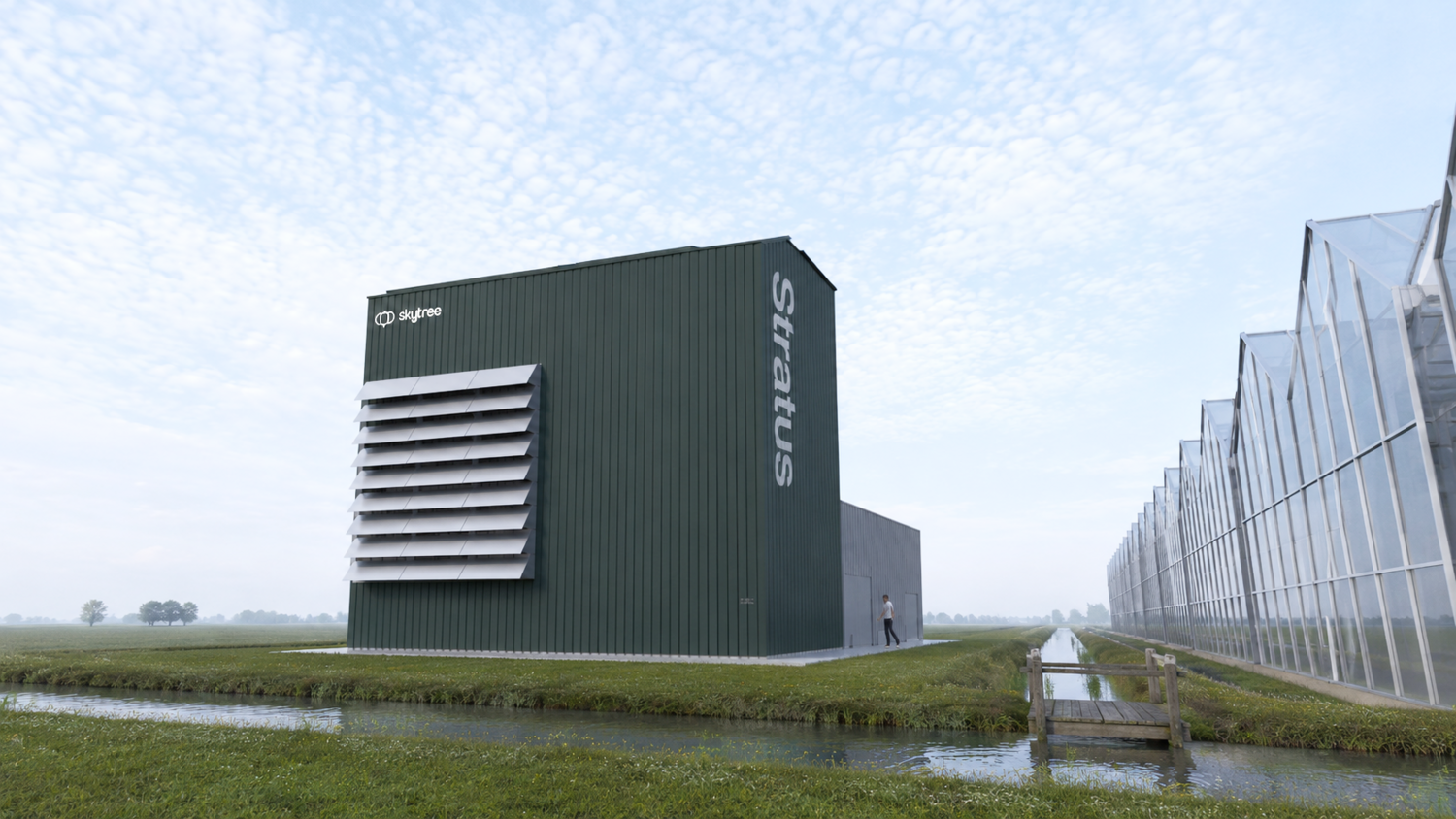
Skytree and Lingezegen Energy are bringing direct air capture into Dutch greenhouses. The project could make fossil-free CO₂ a practical crop input.

Sustainability teams must now report the same data through CSRD, IFRS S1 and S2, CDP, and GRI at once. Software providers are splitting into two distinct categories to keep up.

Canovation and CANPACK are preparing CanReseal for pilot-line use. The project tests whether resealable aluminum cans can fit existing production.

Global climate reporting relies on emissions data collected under different methodologies, standards, and frameworks, making cross-border comparisons more difficult than many assume.

GHG Protocol updates would require hourly-matched renewable energy procurement. Companies built on annual RECs or cross-border certificates face a disclosure credibility problem.
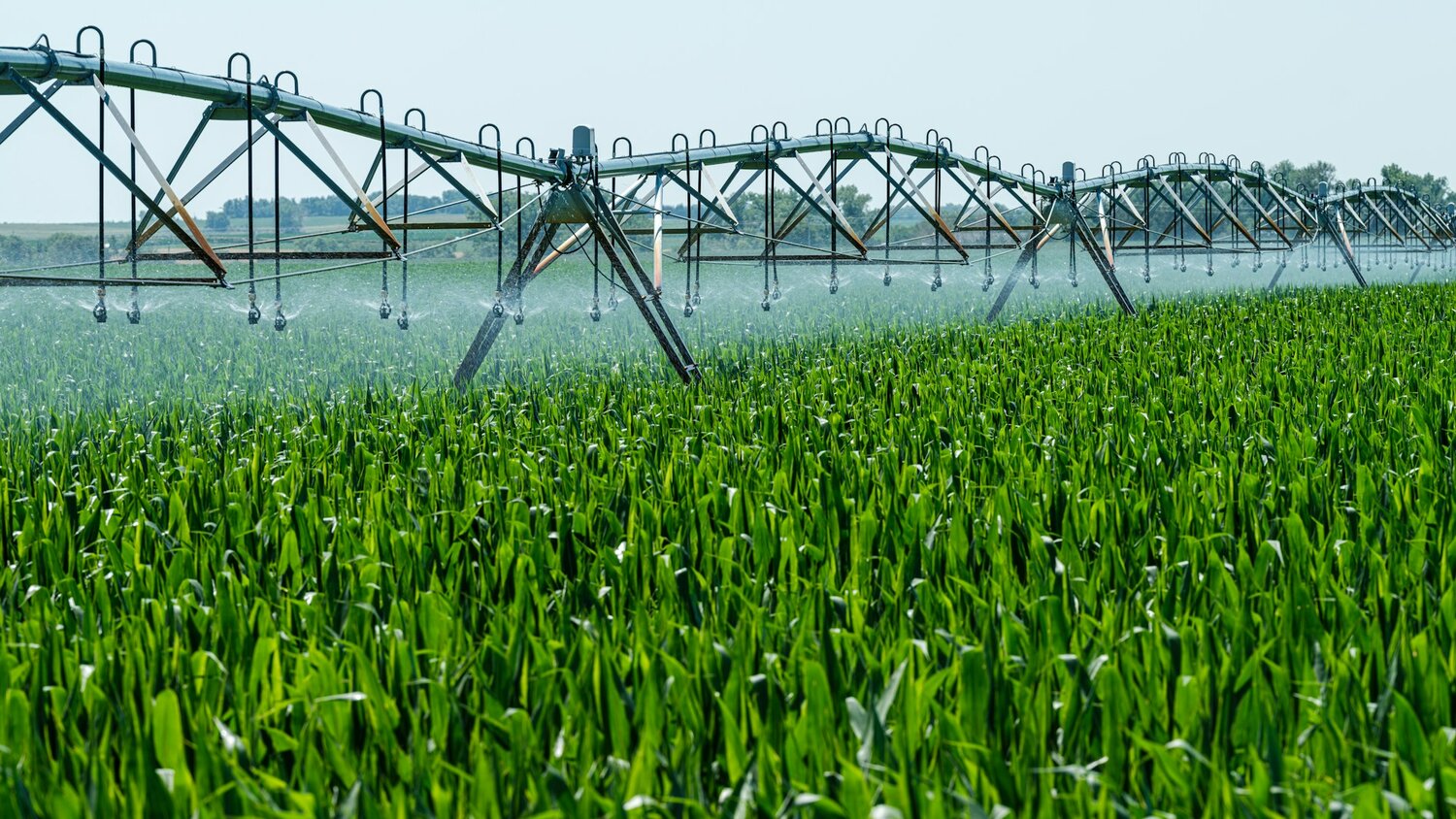
Water risk is becoming a business issue for agriculture-linked companies. A new Bluerisk guide sets out practical steps to strengthen supply chain resilience.

Contrails.org has launched open data for airlines. The tool shows where contrails form, helping teams target warming cuts without sweeping fleet changes.

Scope 3 emissions represent 75% of most corporate footprints, but 79% of companies say supplier data is their top challenge. That gap is widening as mandates tighten.
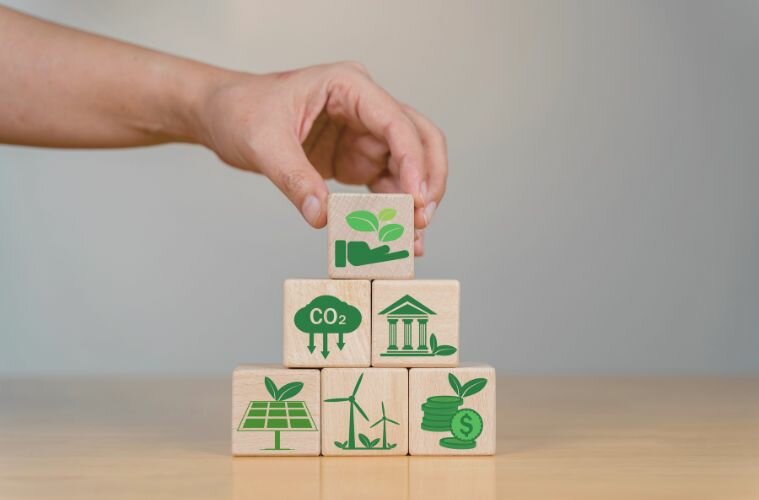
Research finds most carbon offset programs fail to deliver real emissions reductions. As net-zero strategies depend on offsets, the credibility of those claims faces widening scrutiny.

Utilities are rethinking customer programs as grid tools. Coordinated flexibility can cut peaks, support reliability and ease pressure on new capacity.
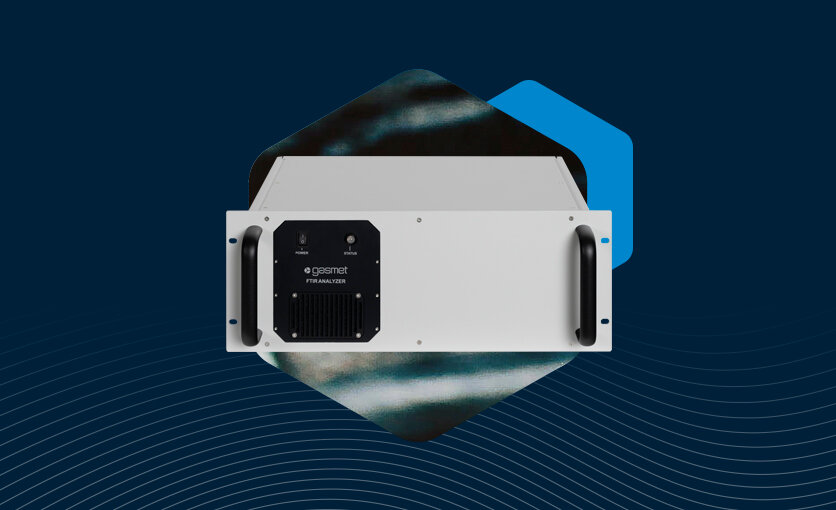
Gasmet’s GT7000 Tellus brings multi-gas FTIR analysis to fixed setups. It supports teams tracking emissions, CO₂ purity and process change.
Investors call corporate water risk disclosure unfit for decision-making yet keep relying on it. As regulatory pressure builds and water stress accelerates, that tolerance is ending.

MIT research shows third-party audited companies initially report 13.7% higher emissions. That is not failure. It is what honest measurement looks like — and regulators are watching.

MSCI's 2026 methodology update is changing ESG scores for 37% of rated issuers. Sustainability and finance leaders need to know what drives the shift before investors ask.
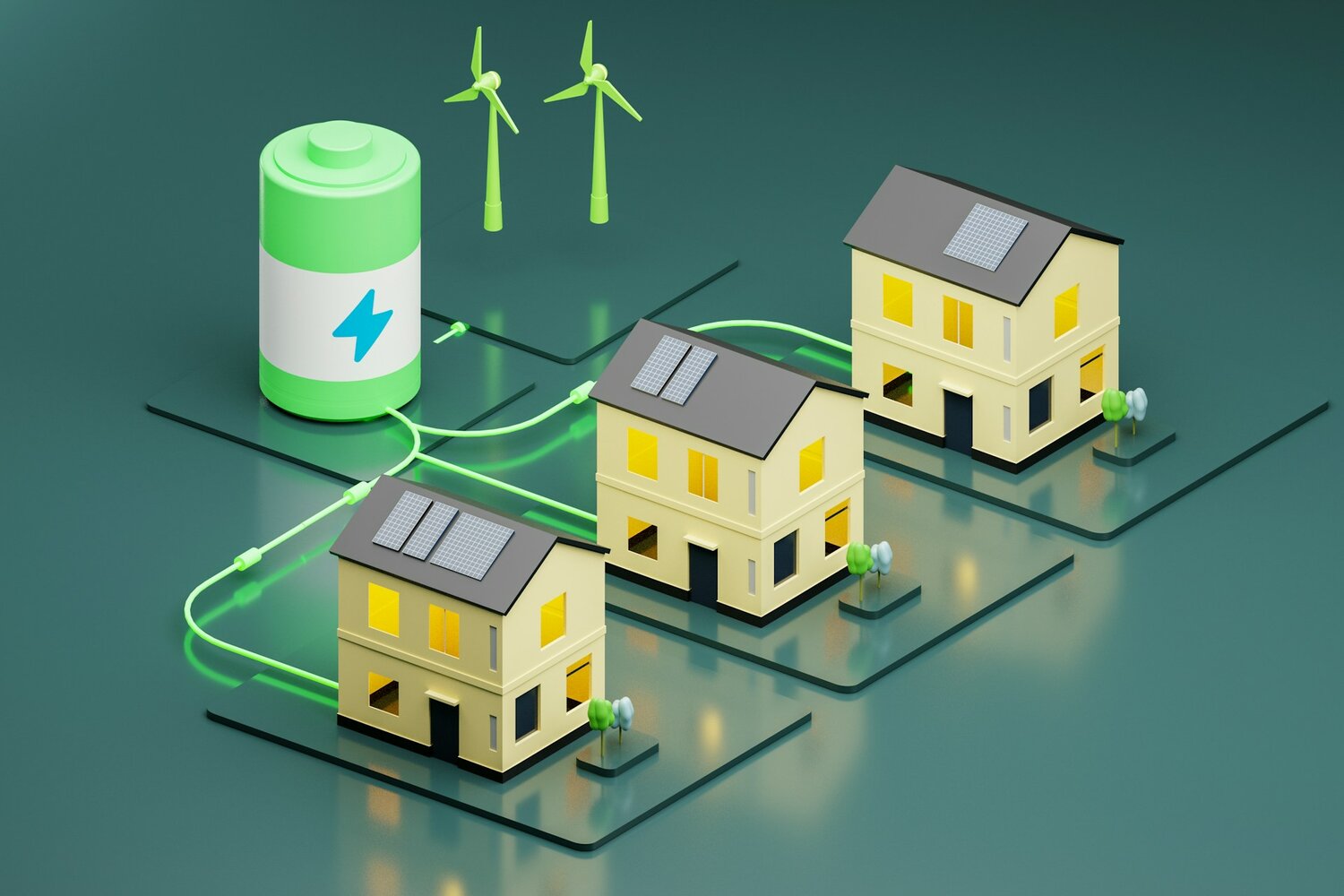
Prevalon’s HD5 AC shifts more storage work into the factory. The system is built to reduce field complexity, commissioning delays and project risk.

Regulators want data with a documented chain of custody. Assurance providers want controls, not commitments. Most corporate sustainability programs were not built for any of those three things.