

The Center will support mass cultivation, commercialization, and safety assessments for cell-cultured foods.

A Stanford-developed process accelerates carbon capture using common minerals, offering businesses a cost-efficient, energy-saving alternative.

Kiss the Ground's new course offers a self-paced introduction to regenerative agriculture, providing businesses with practical sustainability insights.

A study of 24,000+ U.S. lakes shows climate change affects algal blooms—but human activity often masks or alters these impacts.
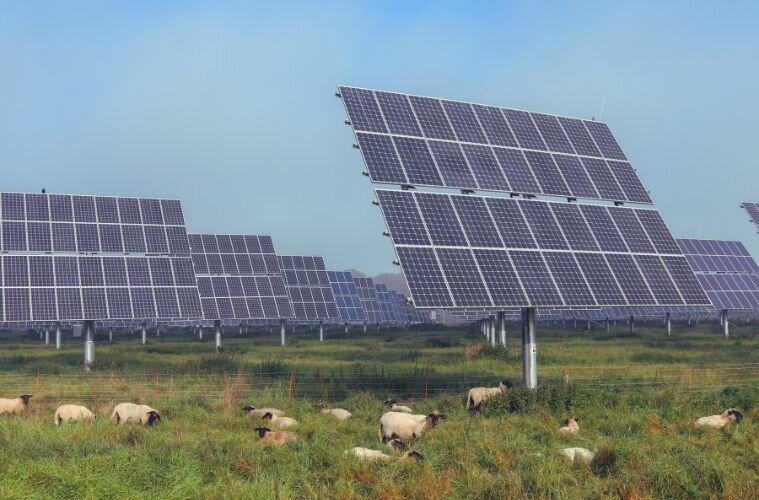
According to the ASGA, the U.S. currently has over 129,000 acres of solar sites maintained by 113,000 sheep across 30 states.
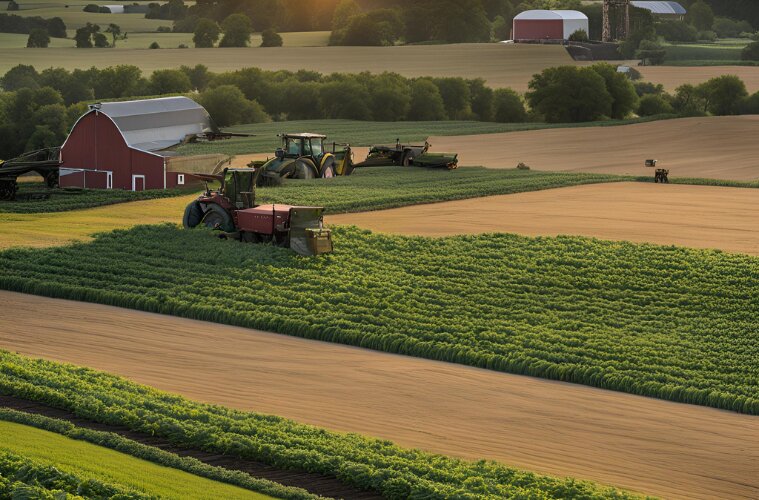
A deeper dive into USDA data and economic reports raises questions about the accuracy—and implications—of her claims.
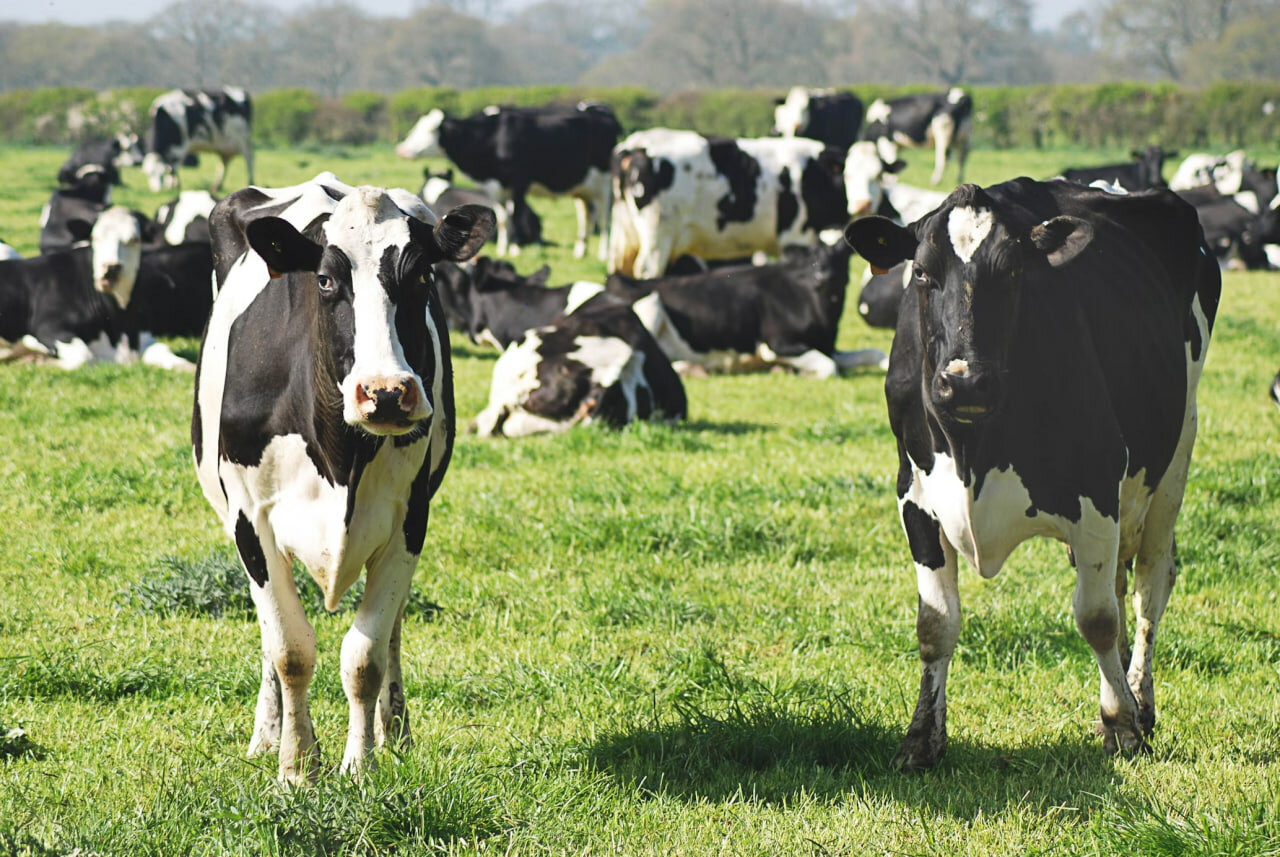
A new initiative combines technology investments and performance incentives to help Fonterra farmers reduce emissions and enhance sustainability.
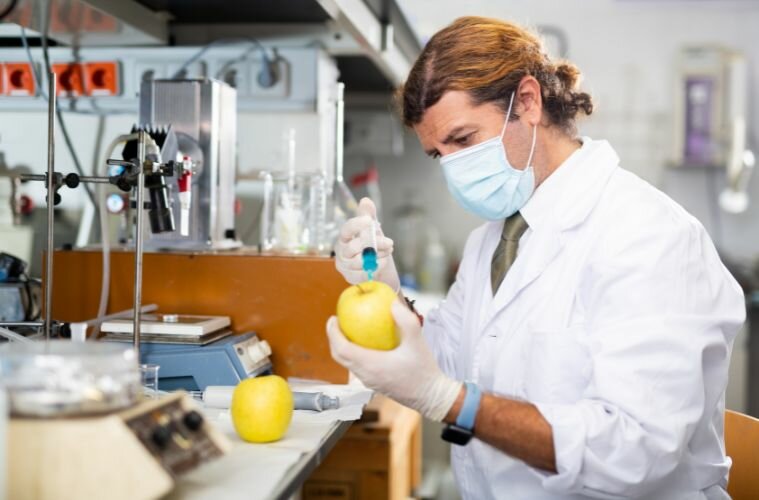
Projected at $9.3B by 2030 with a 4.6% CAGR, the environmental testing market faces uncertainty as Trump’s rollbacks shift compliance and industry testing needs.

The grant will support a range of programs designed to curb emissions, improve resource efficiency, and enhance food production sustainability.

For years, biosolids have been praised as a sustainable solution for farming. But new research suggests they may be doing more harm than good.

California’s new water agreement will remove dams on the Eel River, restoring fish habitats while ensuring supply for over 600,000 residents.

With Logistics Policy-2025, Madhya Pradesh targets lower costs, stronger supply chains, and enhanced export capacity to attract investors.

Gevo and Axens partner to scale SAF production, aiming for cost-effective, high-impact solutions in the aviation sector.
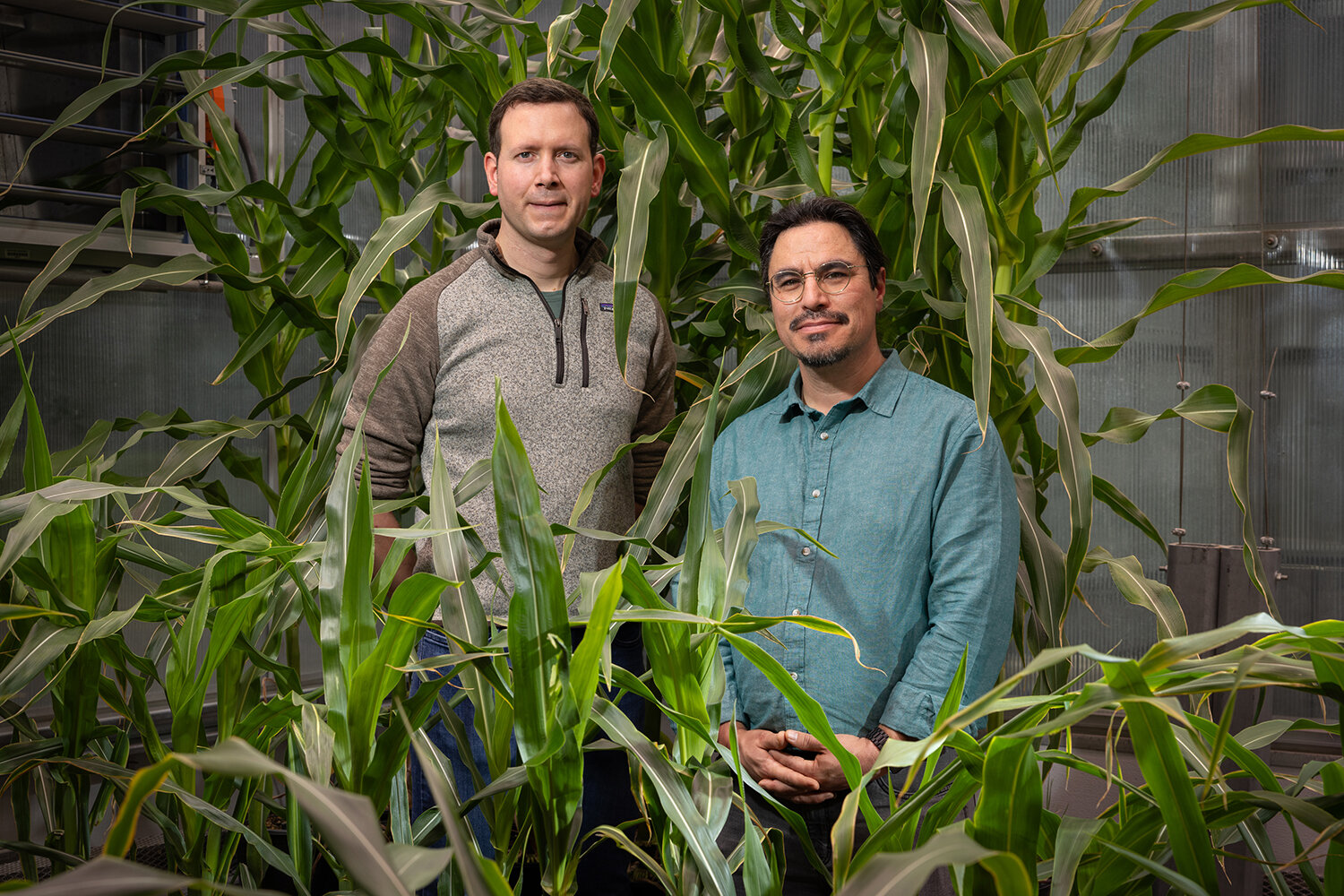
Discover how scientists are unlocking drought-resistant corn through genetic breakthroughs, enhancing crop resilience amid climate change.
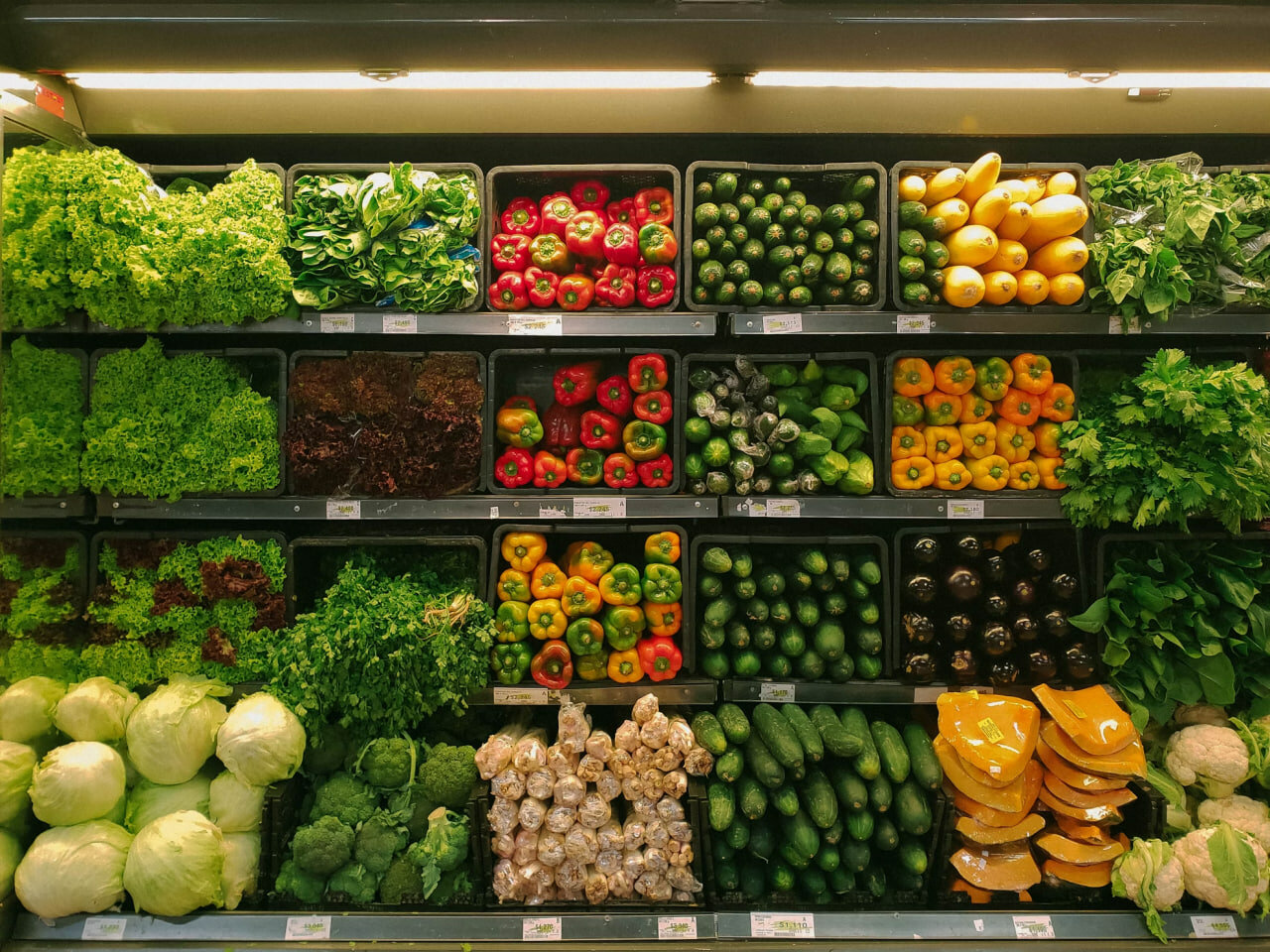
The future of food is shifting toward sustainability with circular economy principles. Regenerative farming and upcycled ingredients drive innovation.

Despite setbacks, vertical farming remains a promising solution for food security, especially in regions with limited agricultural land.
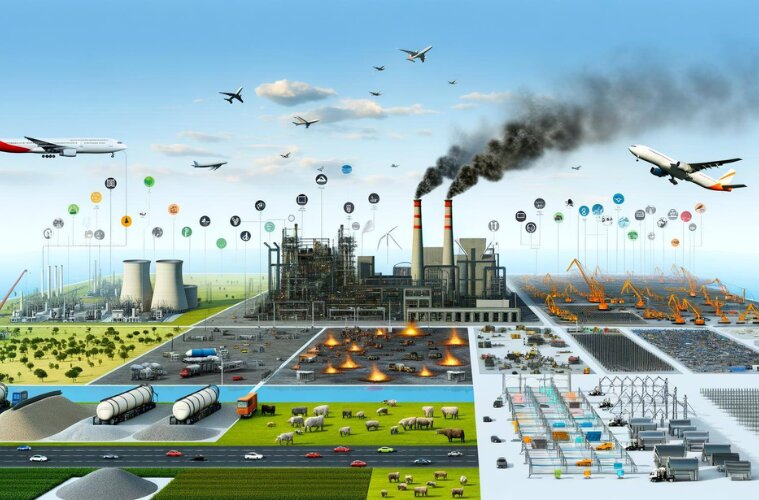
Energy, industry, and transport remain the core drivers of climate change, but digital industries are emerging as major players in emissions growth.

Scientists have developed a nanopesticide system that enhances pesticide adherence, reducing waste and improving crop protection efficiency.
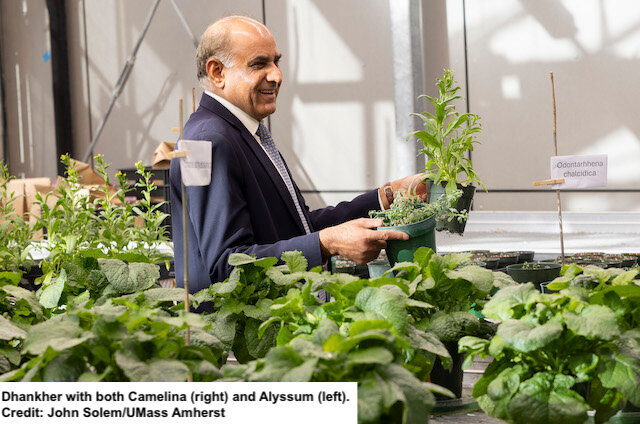
A breakthrough at UMass Amherst could supply 30% of U.S. nickel demand using modified plants. This innovation supports green energy and mining.

A Finnish study shows that designated feeding zones and deterrents can reduce barnacle goose crop damage, easing financial strain on farmers.