

Texas may face a 40 GW power gap by 2035 as energy demand spikes. Data centers, EVs, and water shortages are testing the grid’s ability to keep up.

Low-wind, low-solar periods are straining Europe’s power grid. A new study reveals how weather-driven energy gaps are reshaping electricity markets and policy.

U.S. wind installations doubled in Q1 2025, but turbine orders hit a five-year low as regulatory uncertainty and tax credit shifts reshape the market outlook.

Texas H.B. 199 allows ERCOT utilities to connect to outside grids, a move that could bring federal oversight and boost grid reliability and market access.

Spending bill repeals key Inflation Reduction Act tax credits, creating uncertainty for clean energy, EVs, and climate policy in the U.S.

Despite growth in renewable capacity and electrification, the world remains off track to achieve SDG 7 by 2030, with Sub-Saharan Africa facing widening gaps.

From Germany to Canada, Vestas accelerates deployment of high-capacity wind turbines with record-breaking orders worldwide.

Minnesota allocates nearly $100M for clean energy, grid upgrades, and EV incentives under a major new climate and energy finance bill passed in June 2025.
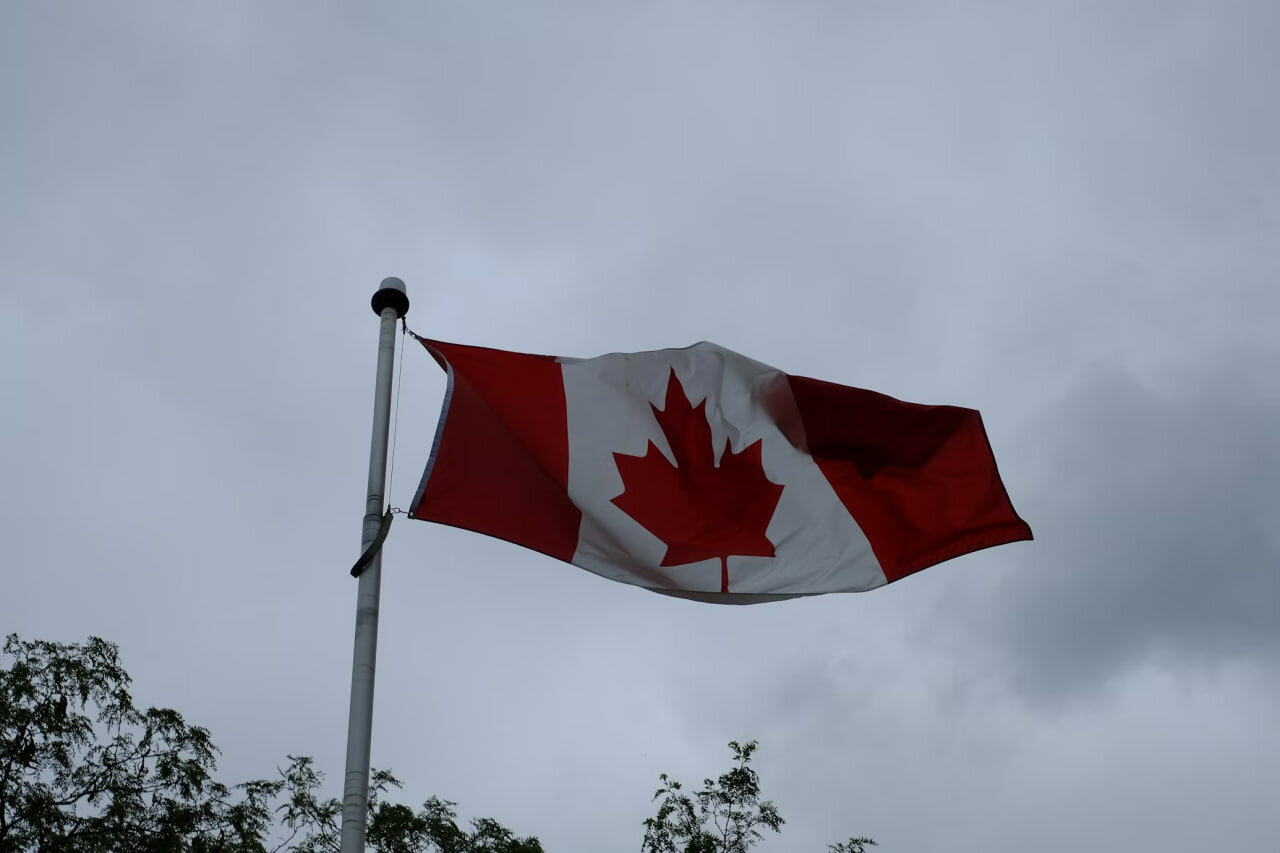
Net Zero targets and climate finance face new scrutiny at G7. Leaders weigh energy stability against ambitious climate commitments.
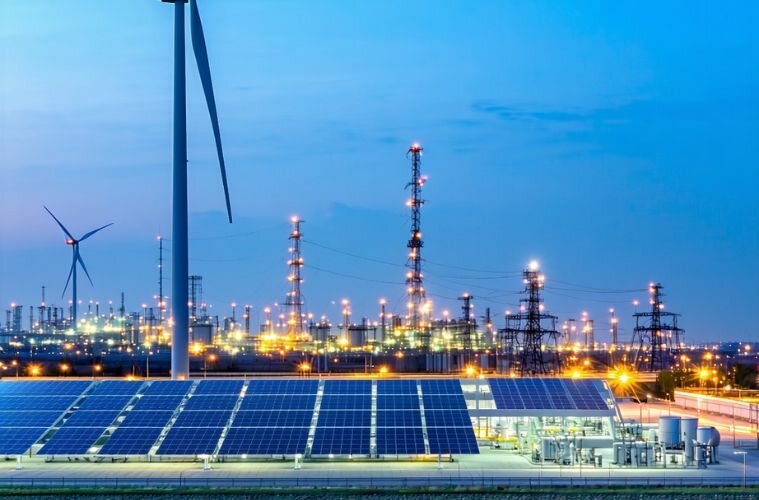
Louisiana forms a new energy task force to explore industrial self-generation, microgrids, and streamlined permitting to strengthen grid resilience and growth.

Hydrogen motorsport advances as Extreme H wraps final testing. The Pioneer 25 race car showcases fuel cell tech in high-performance racing.
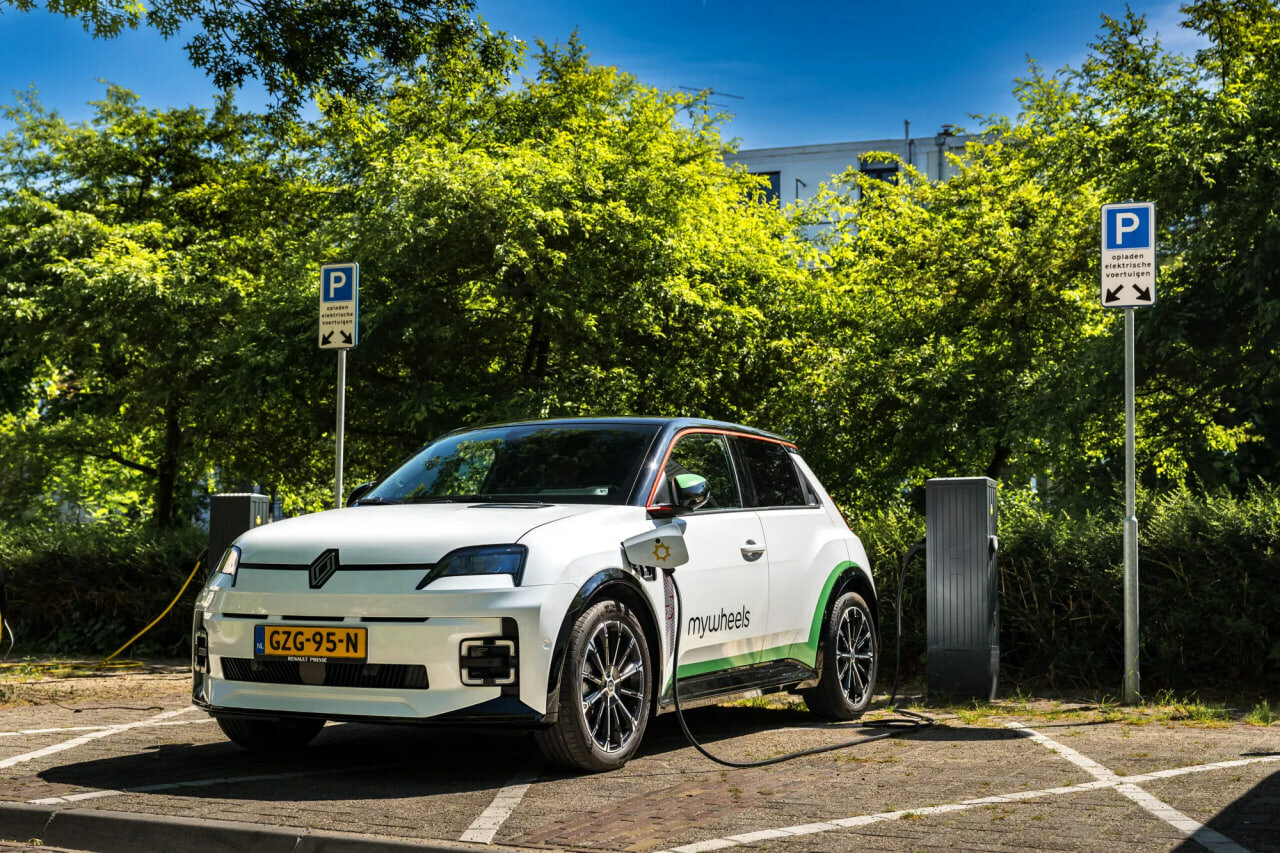
Utrecht’s EVs now double as flexible grid assets. The city’s V2G car-sharing network helps stabilize solar and wind energy across the region.
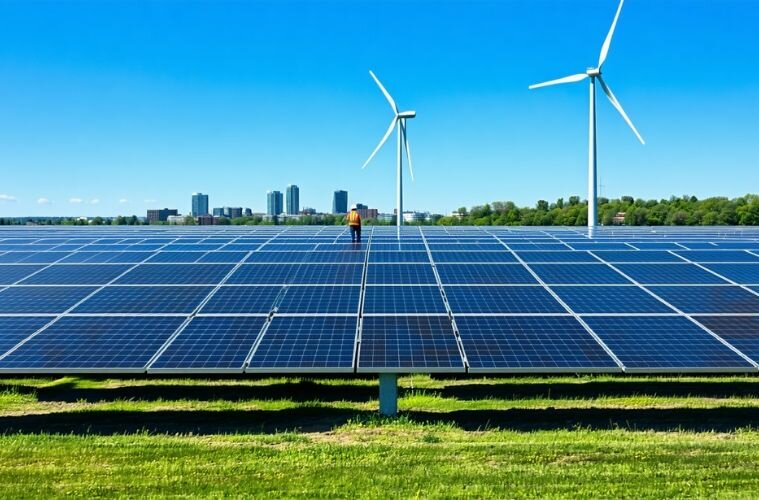
Connecticut HB 5004 lays out multiple renewable energy initiatives designed to advance the state’s decarbonization goals.
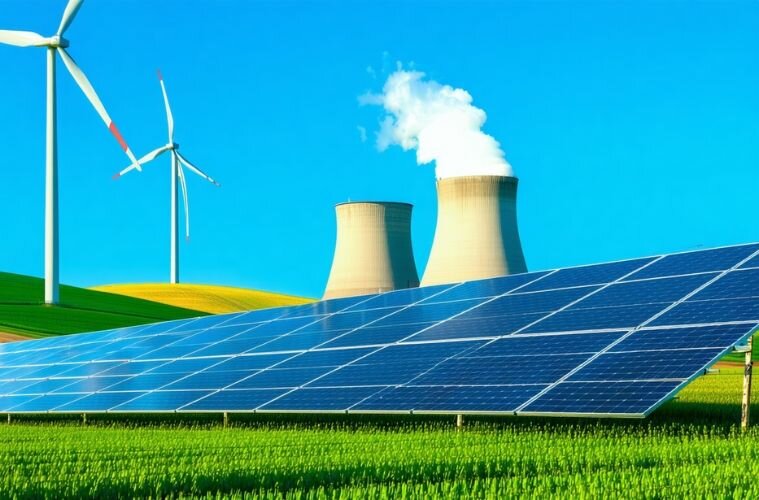
Wisconsin’s Assembly Bill 174, introduced in April 2025, is ushering in widespread changes across the state’s energy landscape.
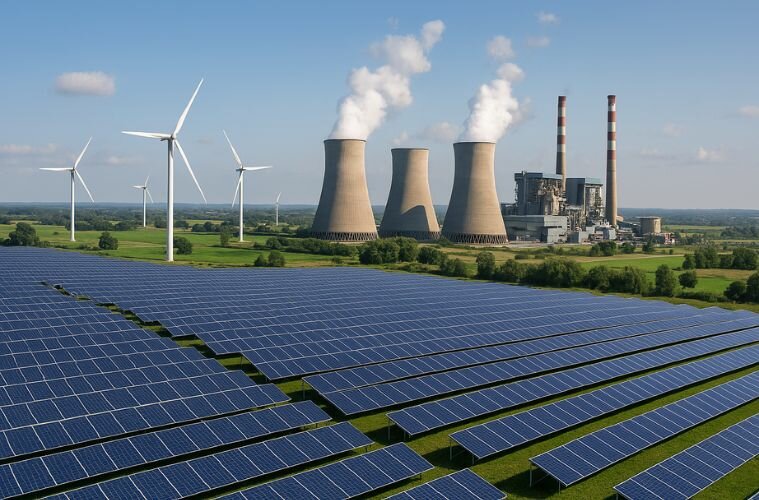
China has become the world’s first "electrostate," shifting from fossil fuels to a fully electrified economy powered by solar, wind, and battery storage. Yet, its continued coal expansion highlights the challenges of balancing growth with decarbonization.
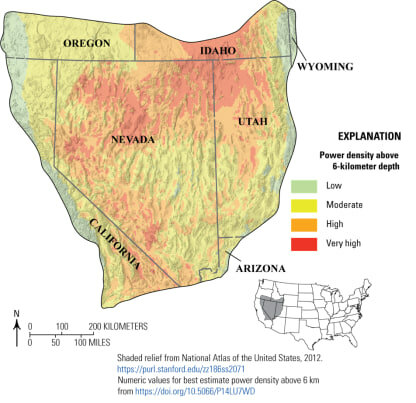
A new USGS study shows the Great Basin could power 10% of the U.S. with geothermal. The catch? Scaling up enhanced drilling tech.

Enel strengthens its U.S. renewable footprint with a strategic wind farm swap, expanding its consolidated capacity and leveraging brownfield development for sustainable growth.
The Offshore Lands Authorities Act of 2025 (H.R. 513) has sparked a partisan debate over offshore energy policy, as Republicans push to limit presidential authority over leasing withdrawals while Democrats warn of environmental risks.
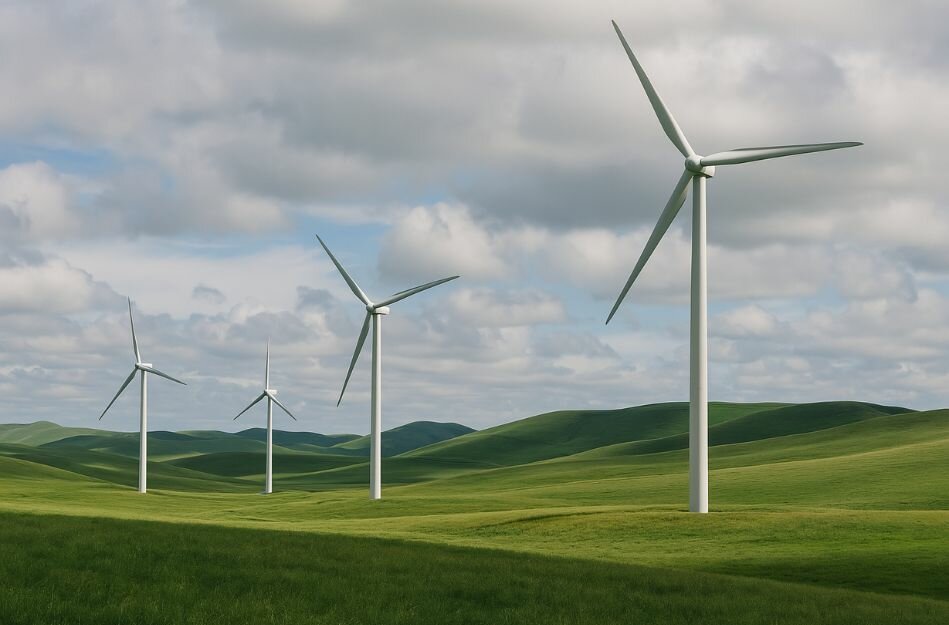
Oregon is shifting its wind energy regulations, raising the site certificate threshold from 50 MW to 100 MW. How will this impact developers and local permitting?
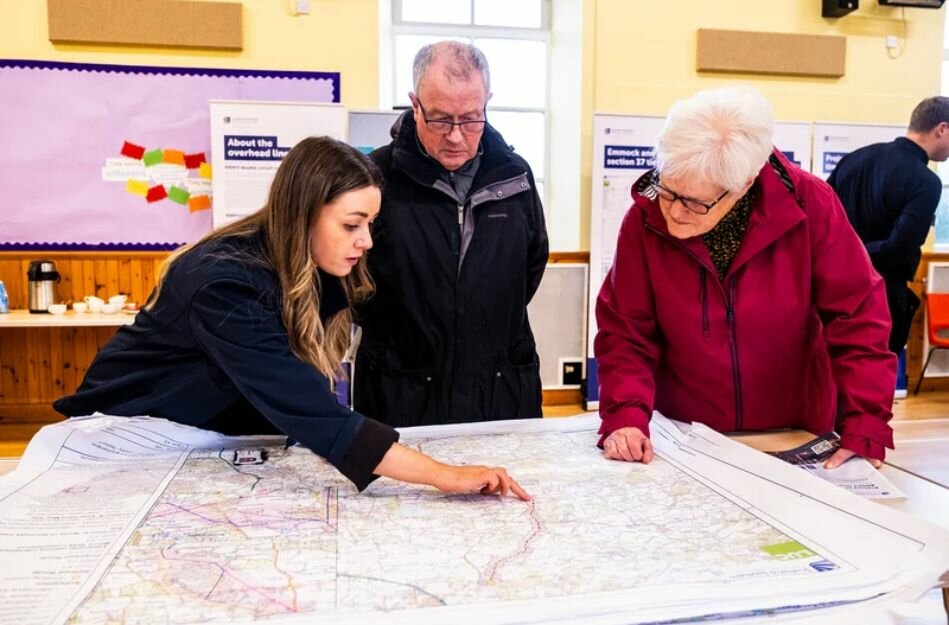
National Grid has launched a public consultation on Eastern Green Link 3, 4, and 5—key projects that will strengthen the UK’s energy security and integrate offshore wind power.