

DJI Agriculture's 2025 industry report tallies 51 million tons of cumulative CO2 reductions and 410 million tons of water saved from over 600,000 deployed drones globally.

EPA's industrial stormwater permit expired February 28 with no replacement finalized. Facilities operating under administrative continuance are fully inspectable heading into summer storm season.

Worker heat exposure is moving into mandatory disclosure in Australia, the EU, and several U.S. states at the same time. Most ESG reports have not kept pace. Here is what is changing.
Consumer health giant Kenvue is turning to AI to find out whether its packaging actually gets recycled — not just whether it's designed to be.

Anderon will initially focus on wafer fabrication for superconducting qubit technology and supporting electronics, with plans to expand into other quantum computing approaches over time.

The move toward Iceland, Norway, and northern Canada is being driven by cooling physics and long-term climate trajectory as much as by renewable energy access.

As heat seasons grow longer and grid stress events hit more frequently, the transition points that were always the weakest links in temperature-sensitive logistics are failing at higher rates.

The EPA proposed rules on May 18 retaining PFOA and PFOS drinking water limits while rescinding standards for four other PFAS. Compliance shifts to 2031 opt-in, and nearly $1B in new grants rolled out this week.
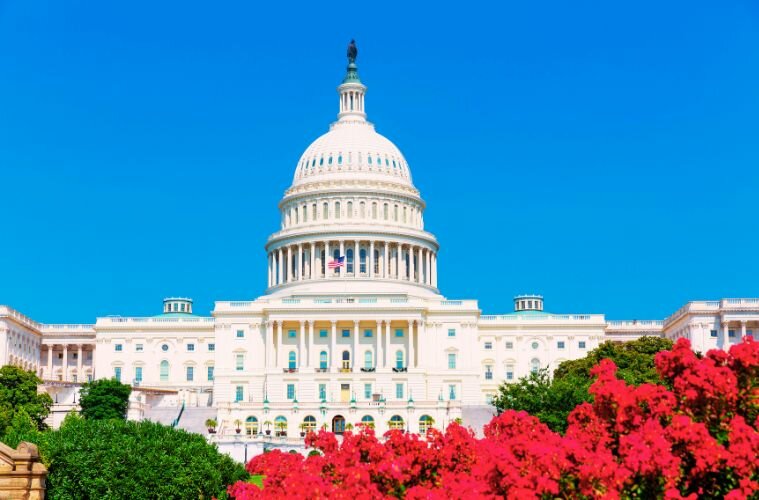
House FY2027 energy and water bill advances at $58.5B, cutting grid and clean energy programs sharply while boosting nuclear defense and water infrastructure.

Mexico's CFE declared grid emergencies three times in summer 2024 and reserve margins hit 3% in May of that year. For manufacturers who relocated to Mexico, summer reliability risk was not in the original location analysis.

Wildfire smoke and ash degrade Alberta and BC transmission infrastructure far beyond fire proximity. Industrial operators in western Canada face a reliability risk window that starts earlier each year.

Wet bulb temperatures in the Gulf and South Asia are crossing physiological safety limits earlier each year. Most multinational heat protocols are not calibrated to where peak exposure actually occurs.

ABTC’s Nevada recycling facility posted record revenue and positive gross margin. The quarter shows early traction, though expansion risks remain.

Vermont's Sustainable Data Centers Act has cleared both Senate committees and is now at third reading following a 26-to-3 floor vote on amendments.

FERC approved PJM's updated transmission cost assignments on May 15, covering 358 new reliability projects effective June 14, 2026, with a 30-day compliance filing required on cost allocation methodology.

France's nuclear fleet reduces output every summer as river cooling limits are exceeded. For multinationals with European operations, the seasonal price spike is now predictable enough to plan around.

NERC puts 13 of 23 North American grid regions at elevated or high risk. When mutual aid fails because neighboring regions are stressed simultaneously, continuity plans built for single-region events break down.
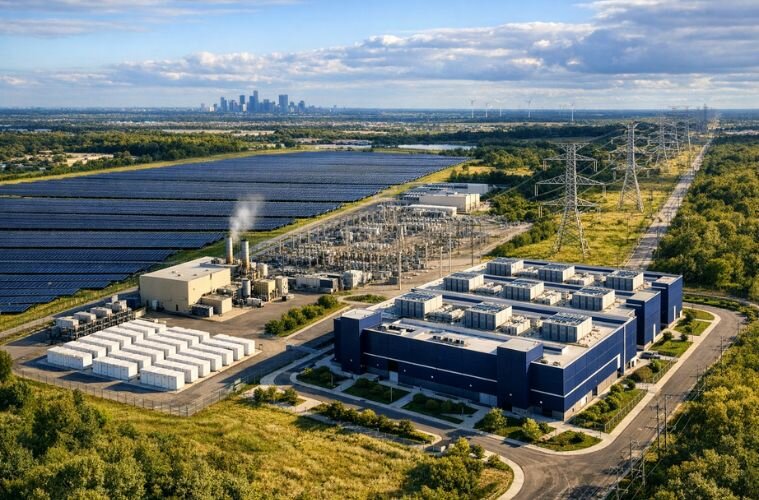
The leading edge of corporate energy procurement in 2026 is not a sustainability conversation. It is an infrastructure conversation.

A convergence of policy changes, carbon pricing, corporate decarbonization pressure, and rapid growth in corporate PPAs is reshaping how companies operating in Japan evaluate electricity procurement.

A Utah-Japan pilot will test tungsten recovery from old mine tailings. The project could support cleaner critical mineral supply chains.