

Trade tensions, AI infrastructure growth, and resource constraints are forcing executives to rethink assumptions about supply chains and competitive advantage.

EHS, facilities, procurement, and sustainability each left something unresolved in Q2. Here is what each function needs to close before the second half starts.

Capital stalled, compliance maps got harder, and supply chain pressure formalized. Executives who planned for Q2 resolution need a different framework going into the second half.

Silicone hull paint beat copper coatings in European tests. The findings could reshape antifouling choices for boatyards, marinas and paint suppliers.

The Global Environment Facility's latest funding cycle prioritizes biodiversity, climate resilience, water management, and clean energy projects through 2030.
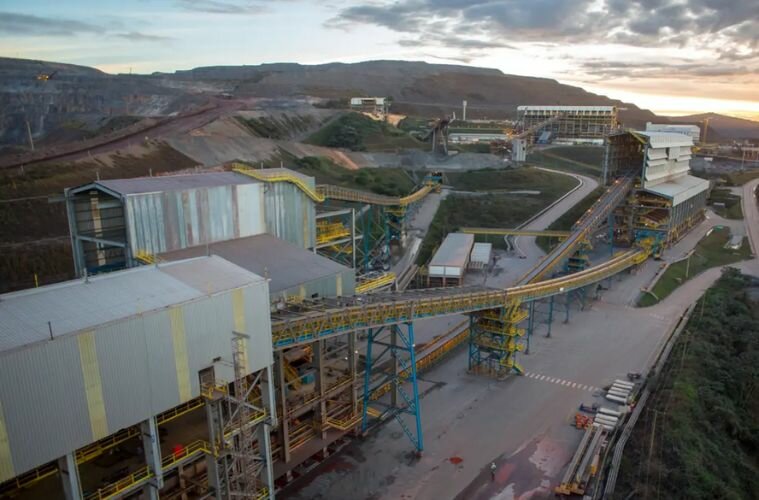
Vale reports a 25% productivity gain at its AI-integrated Conceição 2 plant in Brazil, with a 40% increase in direct reduction pellet feed output and a 26% drop in iron lost to waste.

Power is no longer just an operating cost. In 2026, electricity availability is shaping investment decisions, facility expansion, and corporate growth.
DOE selected TerraSpark Energy Campus in Grant County, West Virginia for up to $18.5 million to advance engineering and permitting for a 1.6 GW coal-with-carbon-capture project.

Bio-PDO is moving from green claim to measured carbon data. The latest LCA gives buyers clearer evidence on renewable inputs.
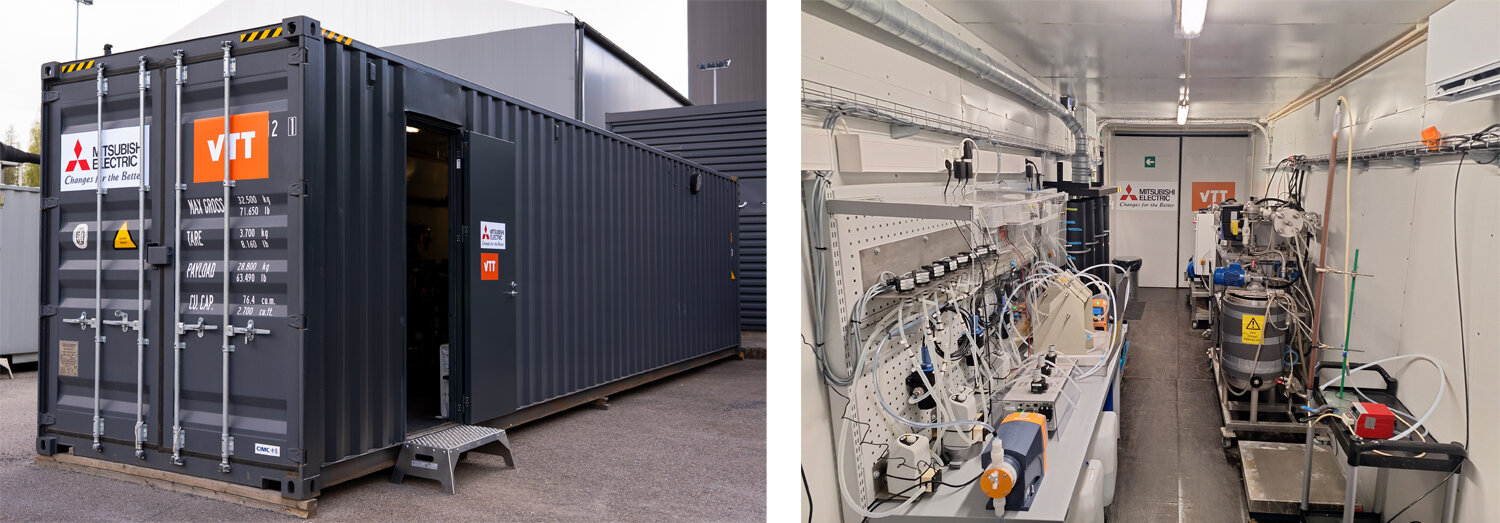
Mitsubishi Electric and VTT are preparing a direct ocean capture system for coastal trials. The work could test seawater's role in scalable carbon removal.

Only 37% of corporate net zero targets cover Scope 3. Supply chain emissions average 11 times a company's own footprint. The people deciding whether climate goals are met are upstream.

Companies are now accountable for emissions and environmental risk in supplier facilities they do not own. Most sustainability programs were not built for that scope.
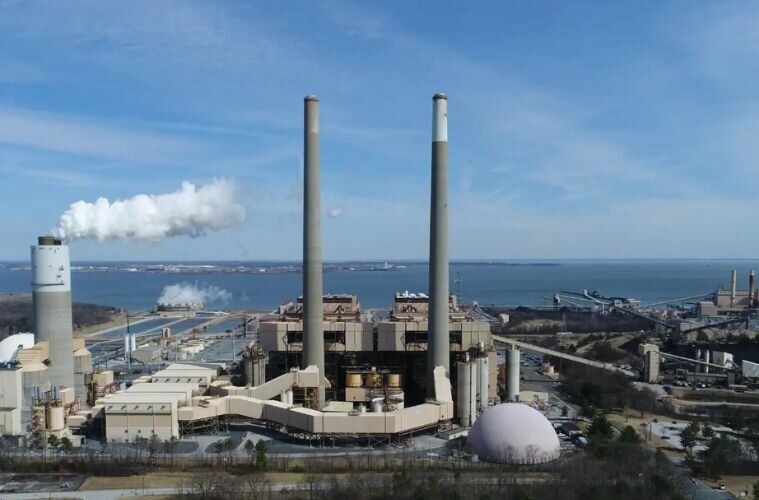
PJM and Talen Energy have filed at FERC to extend the Brandon Shores and H.A. Wagner reliability-must-run agreement to May 2031, citing transmission delays driven largely by data center load growth.

Supplier audits confirm today's compliance. They were not built to assess whether a supplier's operating environment is becoming more fragile. That gap is now a strategic liability.

Twenty-one percent of supply chain leaders still operate without real-time visibility into disruptions affecting their suppliers

AI growth is reshaping data center design. A new framework gives operators a clearer path for managing power, cooling and uptime.

Companies that map their full supply chain typically find more than they expected: hidden concentration, environmental exposure several tiers deep, and risk that travels farther than anyone modeled.

Consumer Reports detected no PFAS above its threshold in 18 baby wipe brands. No federal standard requires manufacturers to test or disclose PFAS content in personal care products.

The data is better than it has ever been. It is also revealing something uncomfortable: visibility and control are not the same thing.

Organizations that can demonstrate command over their value chain emissions are differentiating themselves in procurement decisions and investor conversations in ways that organizations relying on estimates cannot match.