

Cellulose fibers made from crop byproducts could reshape sustainable fashion, using soda pulping to lower emissions and tap existing infrastructure.

Pet food makers face a protein crunch. Invasive carp could be the fix—nutrient-rich, abundant, and good for ecosystems they disrupt.
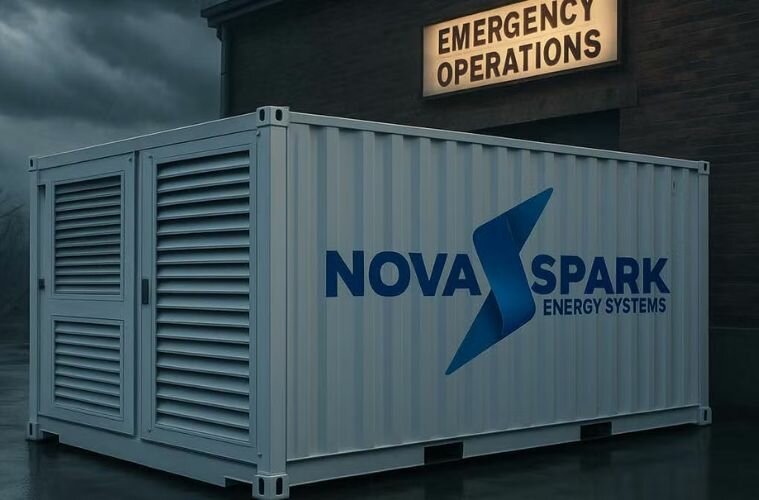
NovaSpark’s atmospheric hydrogen technology gains momentum with venture support, targeting defense, disaster recovery, and infrastructure resilience.

Zalando’s 2025 report shows over 70% of consumers want to shop sustainably, but high prices and low trust keep them from acting on their values.

5G is revolutionizing enterprise tech, powering AI and IoT adoption. Challenges demand careful navigation in 2025.
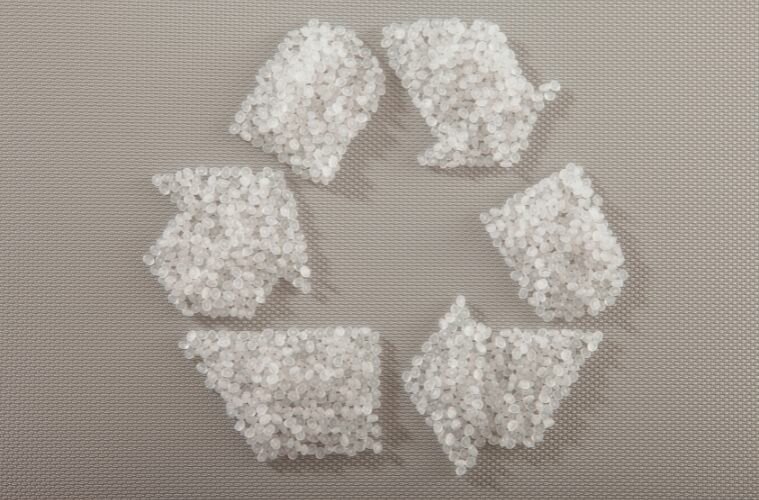
PureCycle aims to install 1B pounds of polypropylene recycling capacity by 2030, backed by new capital and global infrastructure partnerships.

President Trump’s executive order clears the way for Nippon Steel’s acquisition of U.S. Steel, promising $11 billion in U.S.-based investments and more than 100,000 jobs.

A new partnership brings carbon-negative asphalt to U.S. roads. The tech cuts embodied carbon without changing existing construction methods.

Europe’s chip sector is going green. A new $63.8M initiative targets waste, emissions and supply chain risks across the entire semiconductor lifecycle.

Glass makers push back after losing federal climate funds. The move sparks wider debate on equity and priorities in U.S. industrial policy.

Corporate risks are rising fast. Companies are turning to specialized partners to navigate complex ESG, supply chain, and compliance demands.

2025 marks a pivotal year for SAF as global demand spikes, HEFA feedstock strains grow, and mandates demand diversified, scalable fuel pathways.
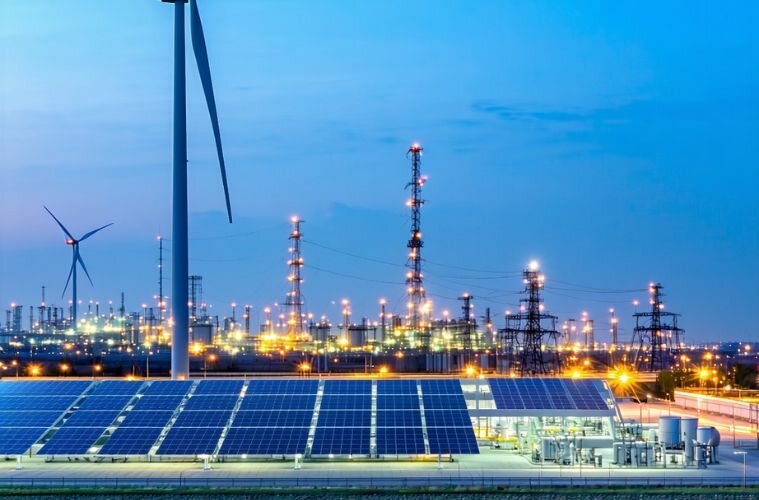
Louisiana forms a new energy task force to explore industrial self-generation, microgrids, and streamlined permitting to strengthen grid resilience and growth.

Dover Chemical’s latest sustainability report shows strong product innovation and waste reduction but reveals setbacks in emissions and workplace safety.

The critical interplay between technological advancement, sustainable production practices, and strategic regional growth

Beginning January 1, 2026, Illinois will prohibit the sale of cookware, cosmetics, and more with intentionally added PFAS, under expanded amendments to the PFAS Reduction Act.

Liquid metal-vitrimer composites offer a groundbreaking solution for e-waste reduction, creating recyclable, self-healing electronics with high conductivity and durability.

Estée Lauder’s 2025 Supplier Summit showcased innovation, honored top partners, and reinforced its strategic vision for growth, speed, and sustainability.

GlobalFoundries Invests $16 Billion to Strengthen U.S. Semiconductor Leadership Amid AI Boom
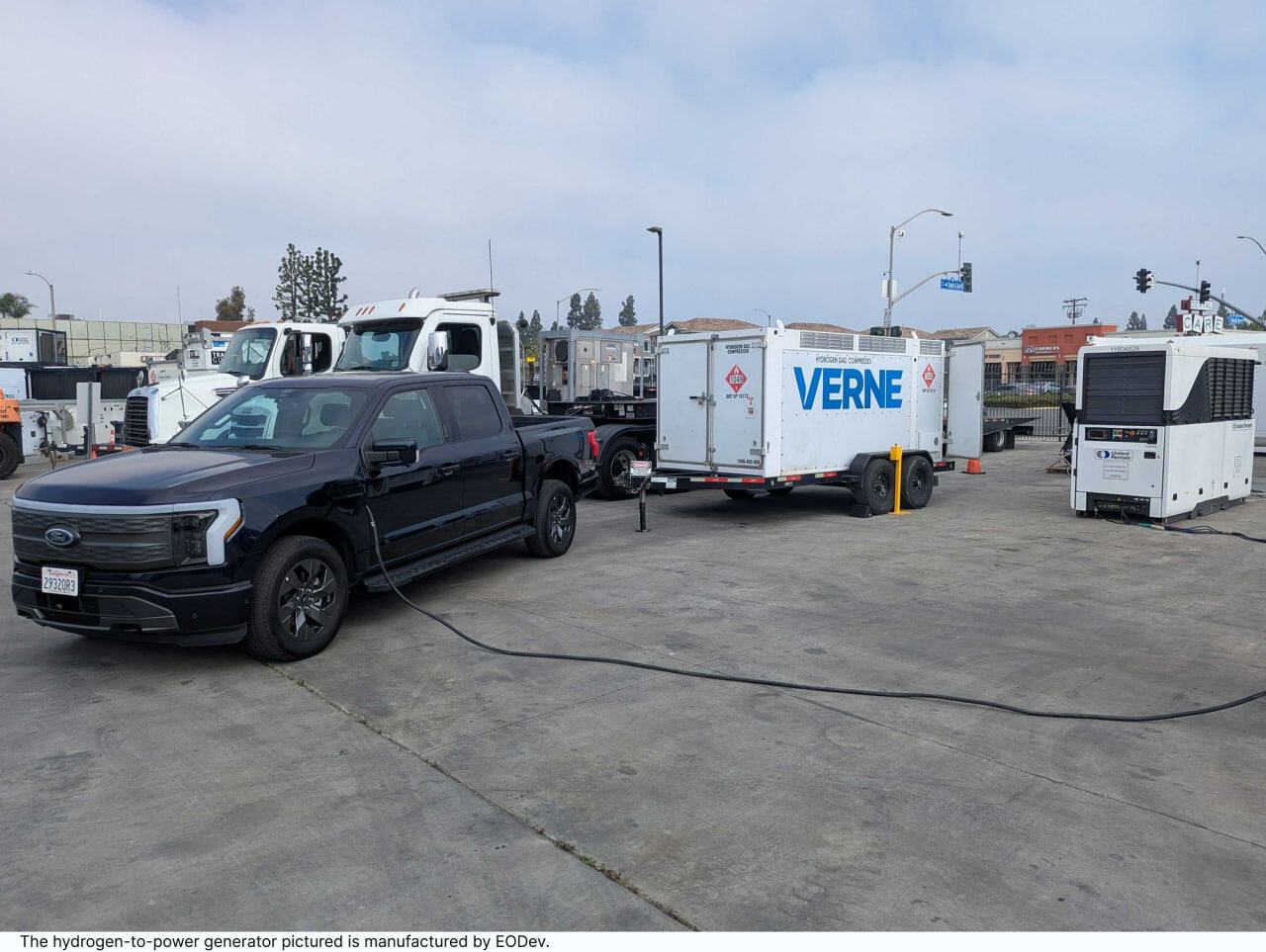
Hydrogen is stepping in where diesel dominated. A new service brings clean, quiet power to job sites, ports, and EV charging hubs.