
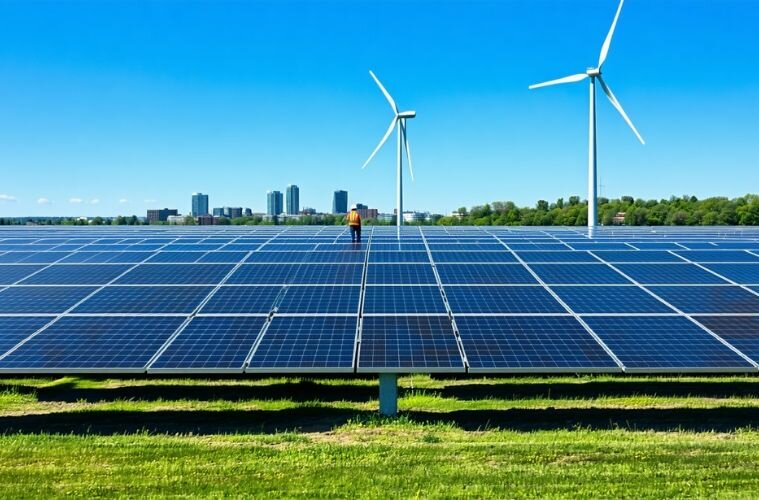
Connecticut HB 5004 lays out multiple renewable energy initiatives designed to advance the state’s decarbonization goals.
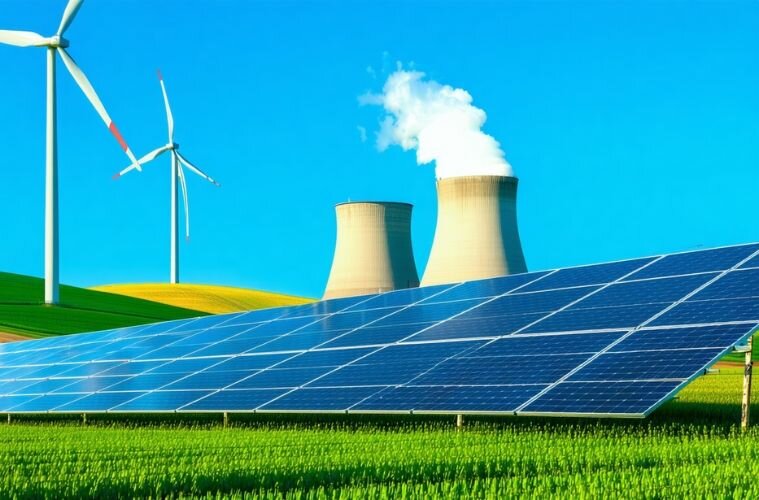
Wisconsin’s Assembly Bill 174, introduced in April 2025, is ushering in widespread changes across the state’s energy landscape.

A new EV collab focuses on drivetrain gains, not bigger batteries as Aptera and Inmotive aim to stretch every solar mile even further.
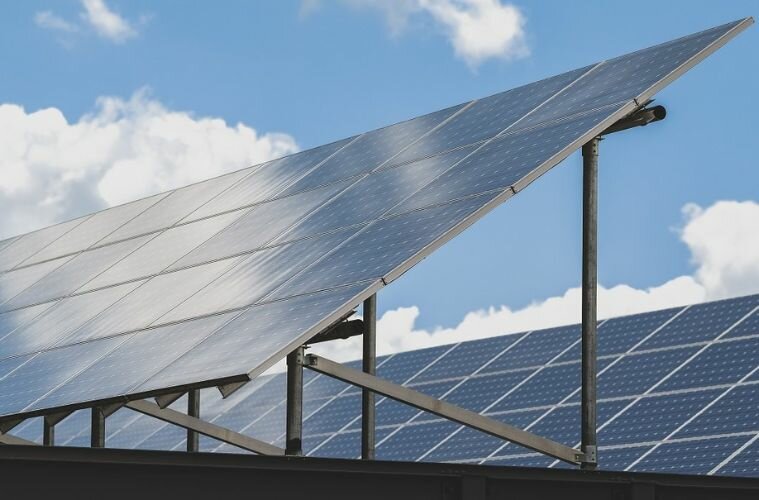
Virginia Tech advances its Climate Action Commitment with a 2.1 MW solar project, reducing emissions and expanding renewable energy education for students.
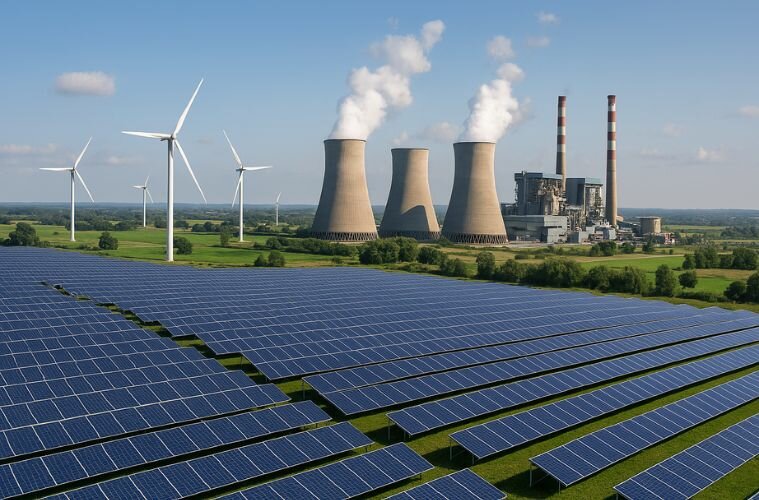
China has become the world’s first "electrostate," shifting from fossil fuels to a fully electrified economy powered by solar, wind, and battery storage. Yet, its continued coal expansion highlights the challenges of balancing growth with decarbonization.
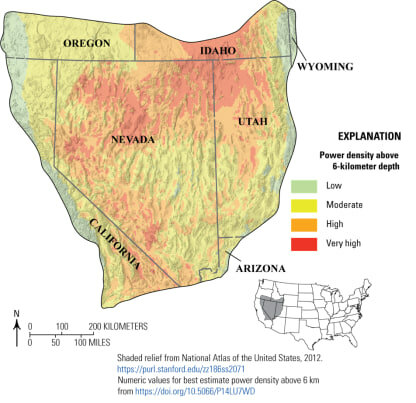
A new USGS study shows the Great Basin could power 10% of the U.S. with geothermal. The catch? Scaling up enhanced drilling tech.

Enel strengthens its U.S. renewable footprint with a strategic wind farm swap, expanding its consolidated capacity and leveraging brownfield development for sustainable growth.
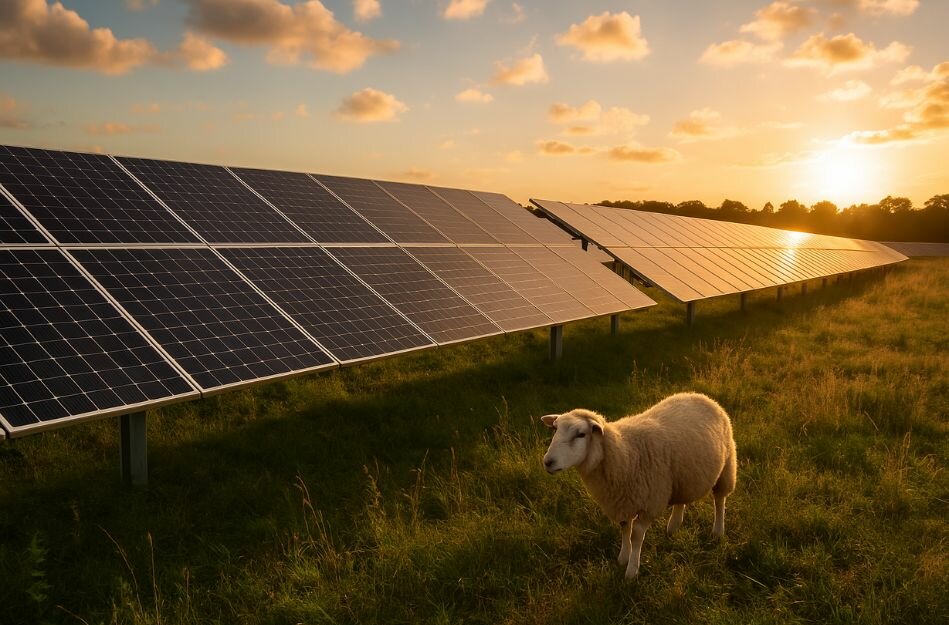
Boralex is actively engaging with local stakeholders, including town and county representatives, state officials, school districts, and community organizations, to ensure responsible integration into the areas.
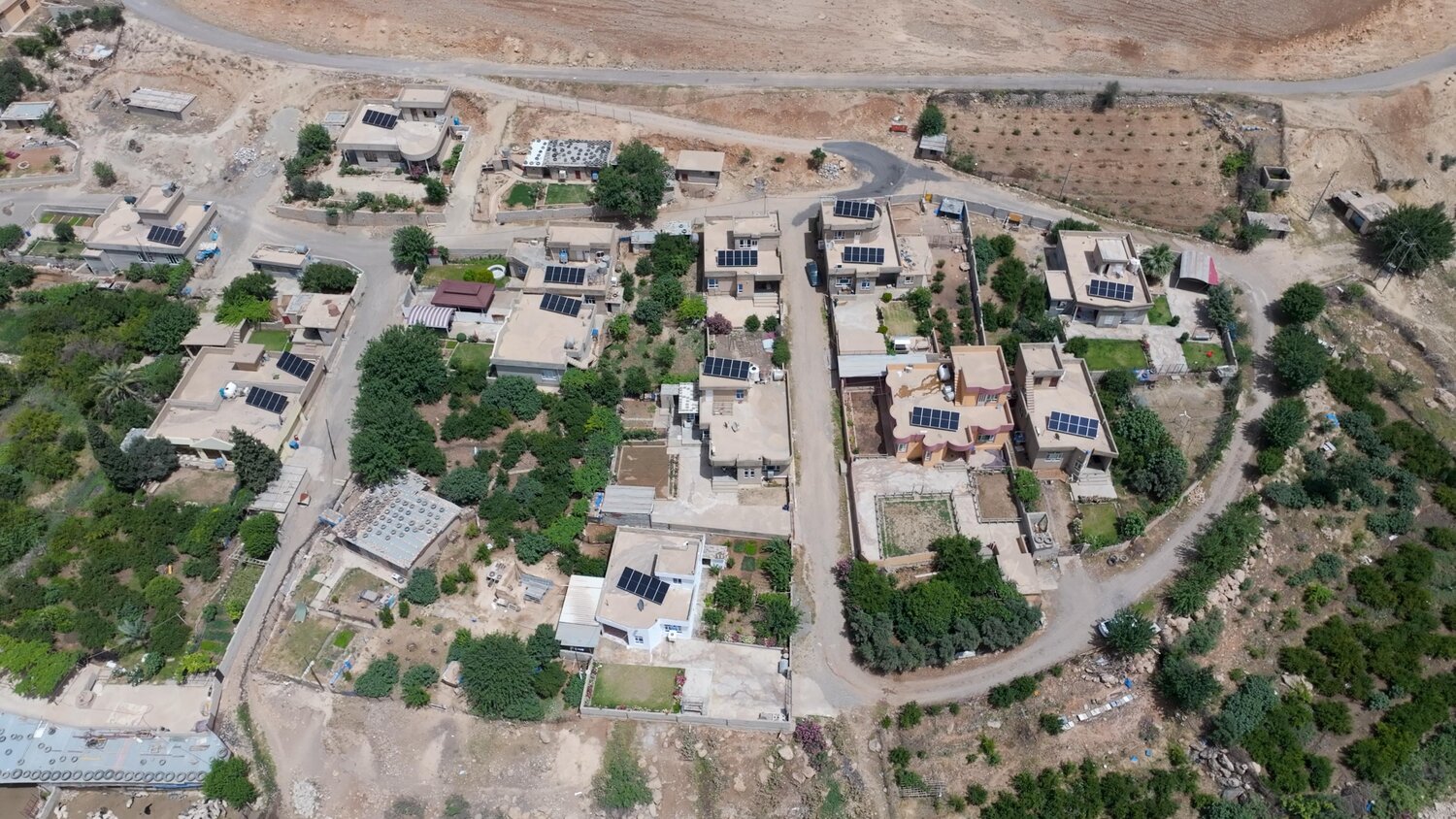
In northern Iraq, a solar-powered village offers a model for climate resilience. Renewable energy and farming work hand-in-hand for change.
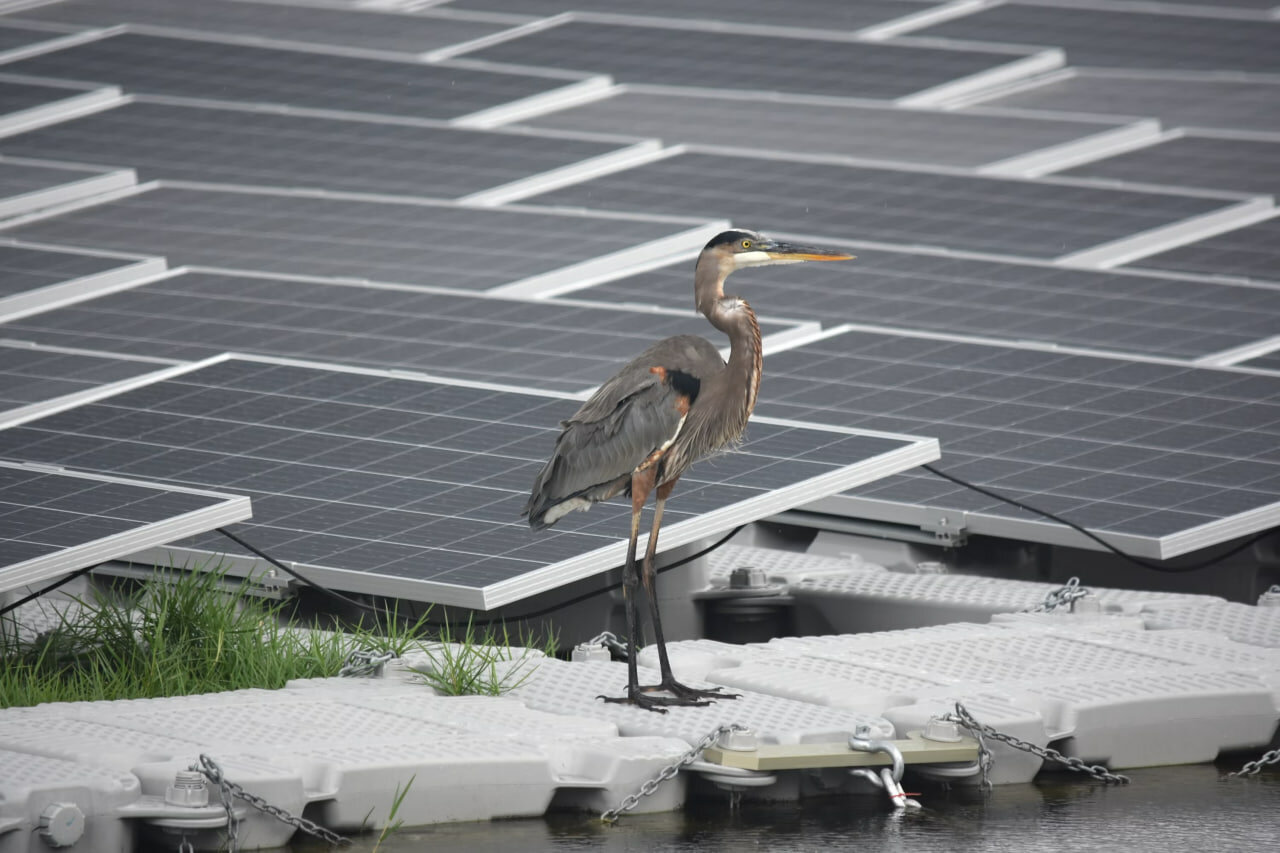
Floating solar cuts land use and boosts clean energy. But new research shows we need to understand its impact on waterbirds first.
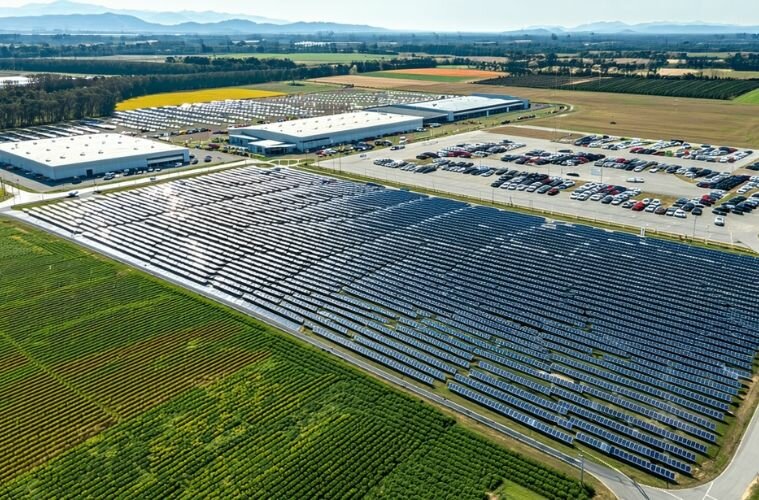
New York Senate Bill S07899 guides renewable energy projects to parking lots, brownfields, and agrivoltaic farms, balancing infrastructure with land conservation.

Releaf Earth has launched Nigeria’s first large-scale biochar facility, using palm kernel waste to cut emissions and improve farm yields—while laying a scalable model for Africa’s carbon removal strategy.

From coal plant conversions to solar co-location, Georgia Power’s battery strategy highlights the evolving role of storage in utility-scale energy planning.
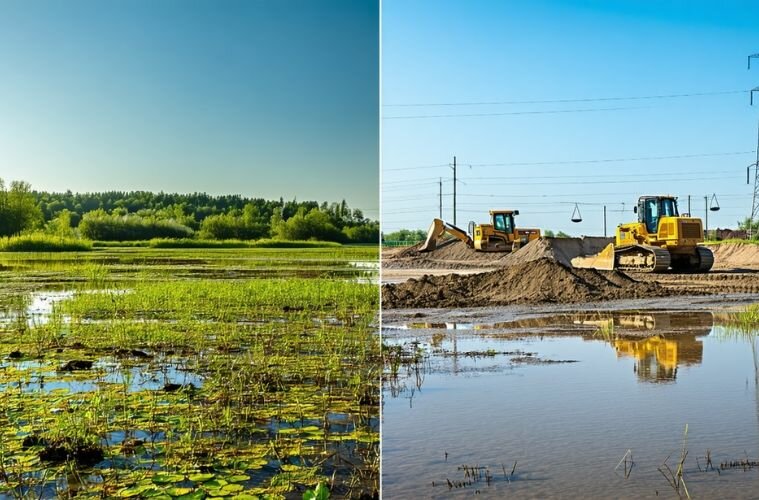
Federal proposal to drop habitat degradation from ESA’s “harm” definition could ease project approvals for water and infrastructure—raising concerns for species protection.
North of Fairbanks, hundreds of workers at Alaska’s biggest gold mine dig up, haul, crush and grind thousands of tons of ore each day, year-round. The sprawling Fort Knox mine consumes $40 million worth of power every year — more than any other business in the state.
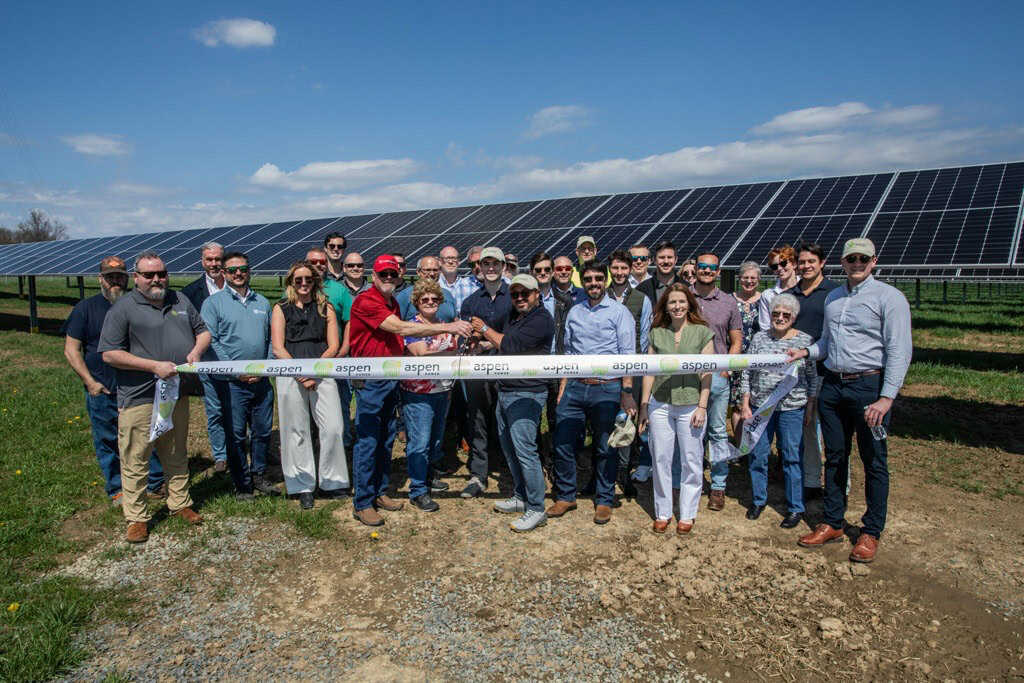
Aspen Power brings 42.5 MW of solar online in rural Pennsylvania, offering farmers stable income through land leases and supporting local energy resilience.
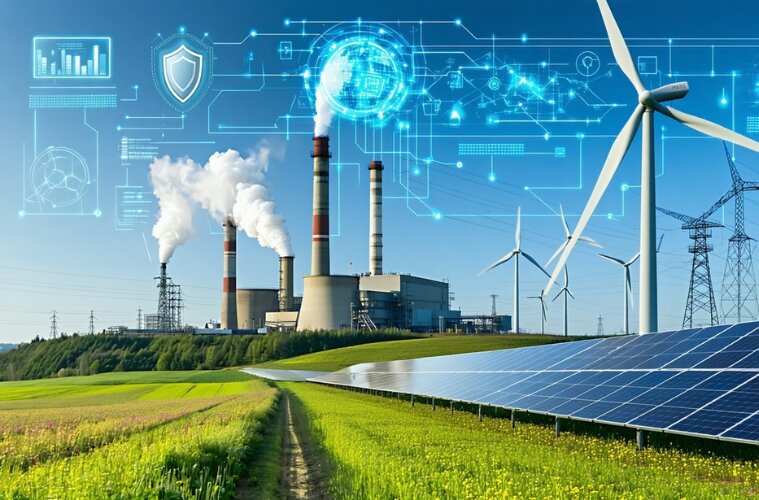
Missouri SB6 would restrict power plant shutdowns unless utilities prove they’ve replaced lost capacity with reliable alternatives, potentially delaying the state’s clean energy transition.
2024 Impact Report reveals 46 MW of new solar projects and strong community involvement, with operations now extending across 13 states.
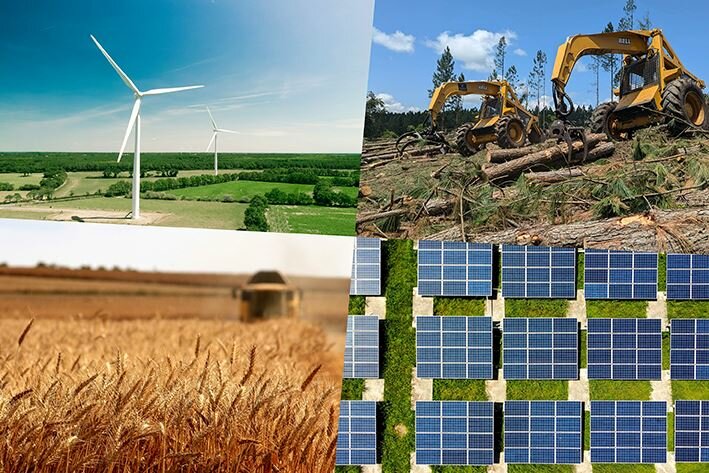
New research warns that sidelining biomass could cost Europe €169B annually and derail climate goals, highlighting its critical role in clean energy plans.
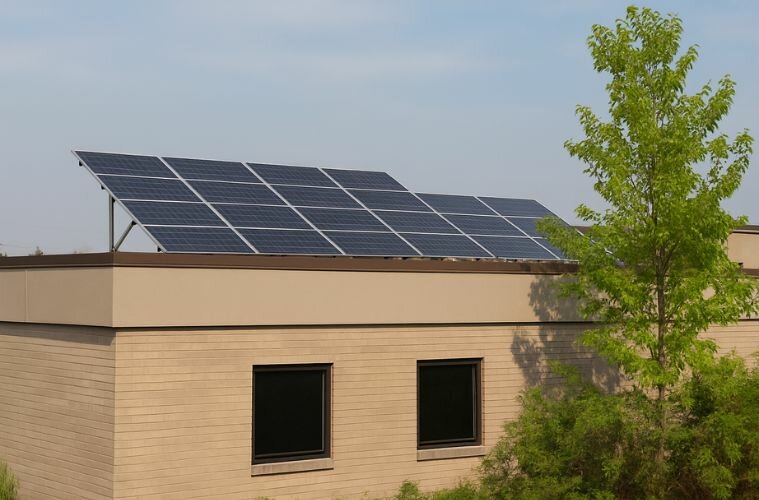
AB 1104 updates California’s renewable energy laws, easing compliance for small businesses installing solar and protecting access to Net Energy Metering programs.