
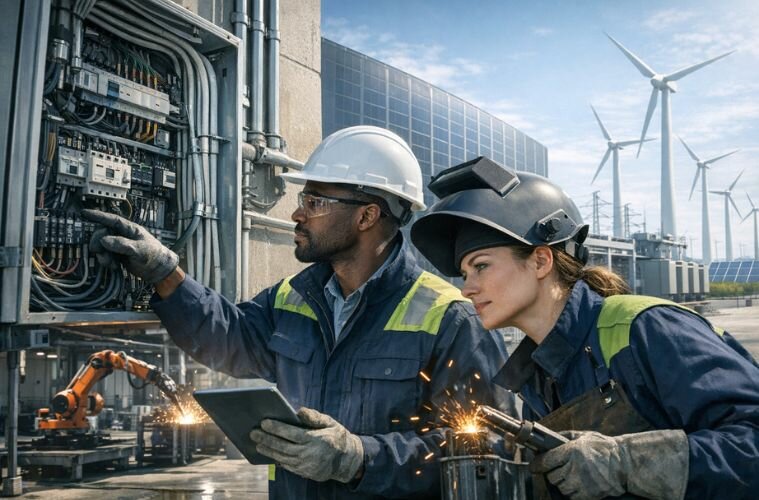
Trump's reshoring push, AI disruption, and a 500,000-worker skilled trades gap are converging — and infrastructure decarbonization is caught in the middle.

Rice is reshaping how engineers think about materials. Its speed-sensitive behavior enables adaptive structures without sensors or software.

AI workloads are driving sharp power swings in modern data centers. New hybrid stabilization systems aim to keep voltage steady in real time.

Incident-free performance can hide growing infrastructure stress. Lagging risk indicators often mask degradation, shrinking margins, and rising exposure before failure occurs.

The construction industry is heading into 2026 with solid demand but real pressure. Firms that plan early and build resilient systems will stay competitive.

IRENA’s latest renewable energy jobs report shows employment growth lagging capacity additions, driven by automation, grid constraints, and changing skill needs.

When capacity tightens, supply chains don’t fail evenly. Platforms, contracts, and embedded rules increasingly decide who gets priority—and who waits.

Supply chain tech investment is rising, but reliability is getting harder to assume. New research shows why digitized networks can fail faster when physical constraints hit.

Logistics reliability is emerging as a board-level risk as supply chains face physical limits, delivery failures, and growing exposure across operations, finance, and governance.

Fleetzero has raised $43M to expand its hybrid marine systems. The Houston-based startup is betting on electrification as shipping eyes lower emissions.

Britain's first rare earth magnet plant in decades opens in Birmingham. The site recycles tech waste into low-carbon magnets for EVs, wind turbines, and more.

Recent self-driving vehicle incidents highlight both the promise and limits of autonomous technology as executives weigh sustainable transportation strategies.

Arizona invests $15.6M in four grid resilience projects to cut outages, reduce wildfire risk, and modernize equipment for 1.6 million utility customers.

The AI in environmental sustainability market will reach $53.9B by 2031, driven by regulation, corporate climate targets, and advances in machine learning and IoT.

South Australia is trialing AI to cut dredging and streamline port ops. The Deep Blue project brings smarter, cleaner tools to maritime decision-making.

Pirelli’s new tire line for the McLaren W1 blends speed with sustainability. Each model features over 50% recycled and bio-based materials, built for performance.
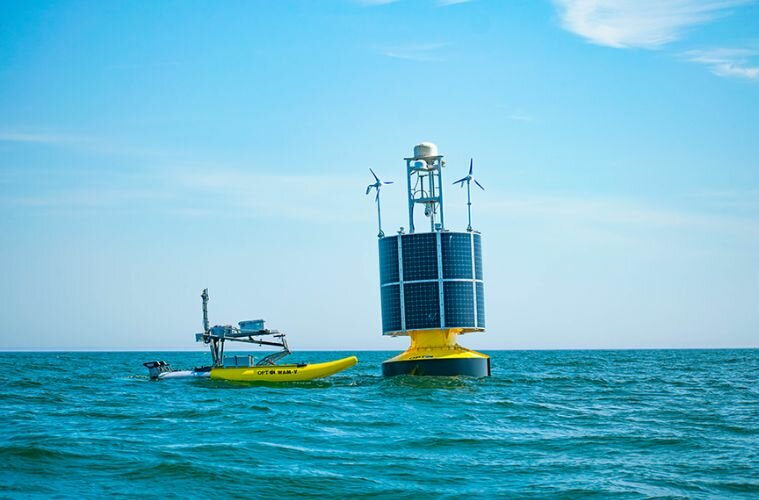
Ocean Power Technologies and Mythos AI will integrate advanced autonomy software into WAM-V and PowerBuoy platforms, expanding capabilities for defense and commercial users.

GreenPowerMonitor’s new platform unifies solar, wind, and storage oversight. Designed for hybrid portfolios, it simplifies performance and reporting.

Eos Energy is relocating its HQ to Pittsburgh, backed by a $352.9M investment. The move expands manufacturing and adds hundreds of clean energy jobs in PA.

Glacier’s AI robots are now sorting recyclables at Penn Waste in PA. The system installs in a day and delivers faster recovery, cleaner streams, and ESG-ready data.