

Investors are reassessing energy and environmental deals as sustainability risk shifts from valuation premium to financial liability, impacting returns and deal closures.

A PwC study finds restarting the V.C. Summer nuclear project could generate billions in GDP, support 10000 jobs, and strengthen South Carolina’s energy infrastructure.

Bears shift their diets as climates change—playing different roles in ecosystems. This flexibility offers a model for building resilience into complex systems.

China’s scale and clean energy edge give it real power to cut fashion’s emissions. A new report outlines what’s needed to make it happen—fast and at scale.

Big Oil brands itself as climate-conscious, but emissions cuts and clean energy spending still lag. For business, the gap between words and action is a risk.

Coal is declining in the West but expanding fast in Asia. A small group of markets and players now holds the power to shape global emissions for decades.

A new SEI–CEAP report warns that omitting animal health and welfare from the SDGs is slowing progress on public health, climate, and equity.

Homes England’s 2025–2030 plan positions housing, land, and enabling works as national infrastructure essential to economic growth and sustainable communities.

A 2025 Colorado River Basin analysis finds human-driven climate change is driving both rising temperatures and declining precipitation in the Southwest.

Global shipping CO2 rose 9.3% from 2019–2024 as trade and route distances grew, with containers and bulk carriers driving most emissions despite efficiency gains.

A new offshore drilling plan reopens California waters after decades. Businesses now face legal, economic, and environmental uncertainty across key sectors.

Texas A&M is turning engineered clay into a practical defense against PFAS, VOCs, and more. These tools aim to reduce exposure before it becomes a crisis.
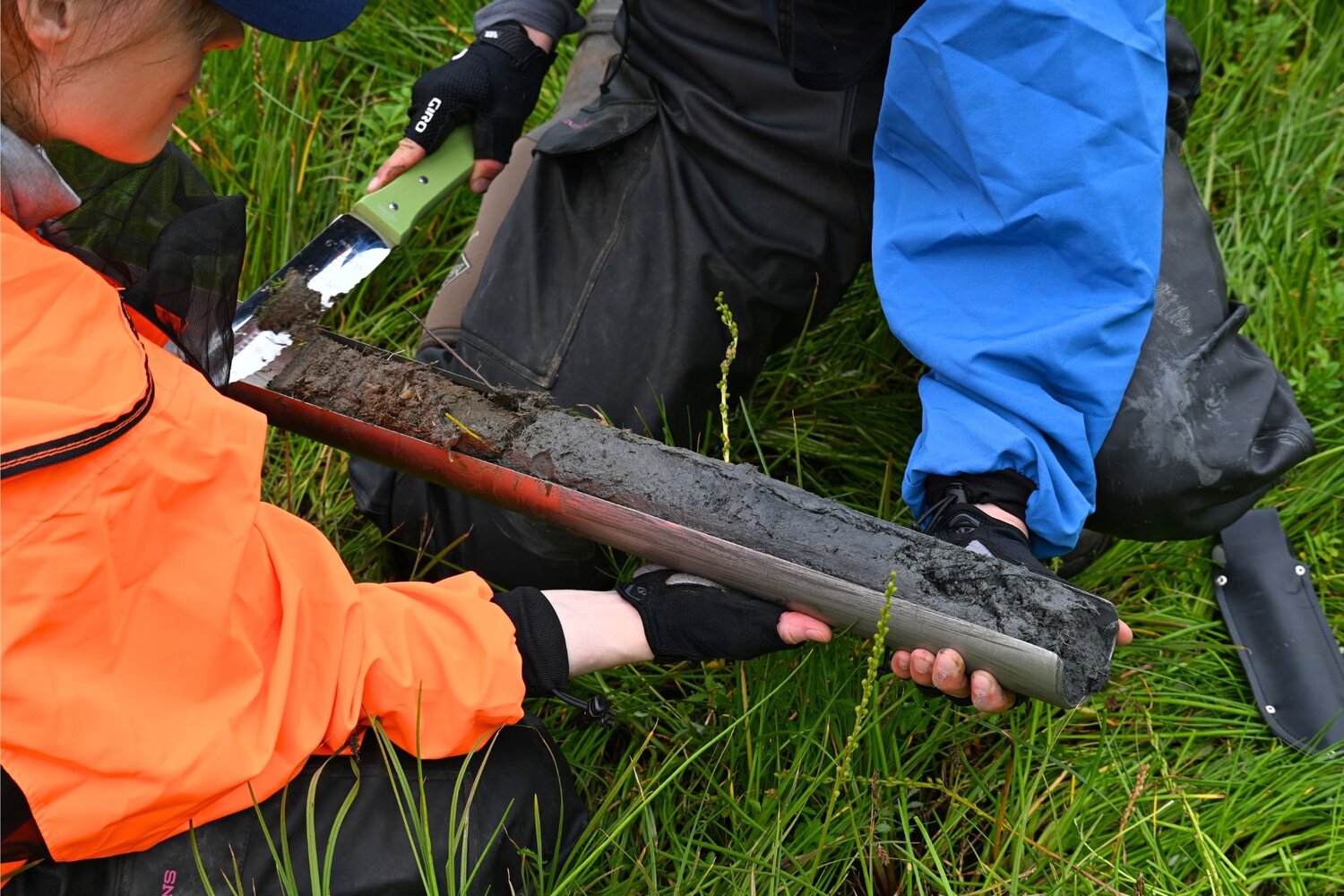
A new study finds common wetland carbon metrics may be overstating storage. The overlooked data gap could impact carbon credits and coastal restoration plans.

gridX’s 2025 retrofit report shows strong consumer demand, major savings potential, and a 15M-home retrofit market shaping Europe’s energy transition.

Released in November 2025, new maritime SMR research shows global nuclear and shipping agencies must build unified safety, liability, and port-access rules.

Revised climate-economy analysis finds that even after a full retraction and major corrections, low-emitting regions still face the highest economic losses.

New research identifies Dolichospermum as Lake Erie’s saxitoxin producer, raising climate-linked concerns as warming waters reshape harmful algal bloom dynamics.

Global shark and ray trade just changed. Over 70 species gained new protections under CITES, forcing tighter rules and major shifts in seafood supply chains.

At COP30, African institutions pushed for peace and climate goals to align. Stability is now seen as key to unlocking investment and resilience across the continent.

The federal mining agency has repealed 14 obsolete coal rules, aiming to simplify oversight. Core environmental protections under SMCRA remain fully in place.