

Permitting delays are stranding pre-development capital and driving carry costs higher. CFOs evaluating energy and infrastructure projects need to treat permitting uncertainty as a front-end financial risk.

Global climate reporting relies on emissions data collected under different methodologies, standards, and frameworks, making cross-border comparisons more difficult than many assume.

South Africa has enacted one of the most ambitious sustainability disclosure frameworks on the African continent. What the framework requires and what most companies can actually produce are two different things.

Massachusetts health officials are testing air quality at Uxbridge High School after multiple teachers were diagnosed with breast cancer.

Vermont's governor vetoed H.727, the Vermont Sustainable Data Centers Act, on May 28. The House failed to override the next day, leaving the state reliant on existing regulatory tools.

Singapore, Malaysia, Indonesia, and Thailand have enacted mandatory sustainability disclosure. Third-party assurance lags years behind, leaving a gap between what is filed and what can be trusted.

GHG Protocol updates would require hourly-matched renewable energy procurement. Companies built on annual RECs or cross-border certificates face a disclosure credibility problem.

Scope 3 emissions represent 75% of most corporate footprints, but 79% of companies say supplier data is their top challenge. That gap is widening as mandates tighten.

Research finds most carbon offset programs fail to deliver real emissions reductions. As net-zero strategies depend on offsets, the credibility of those claims faces widening scrutiny.

Utilities are rethinking customer programs as grid tools. Coordinated flexibility can cut peaks, support reliability and ease pressure on new capacity.
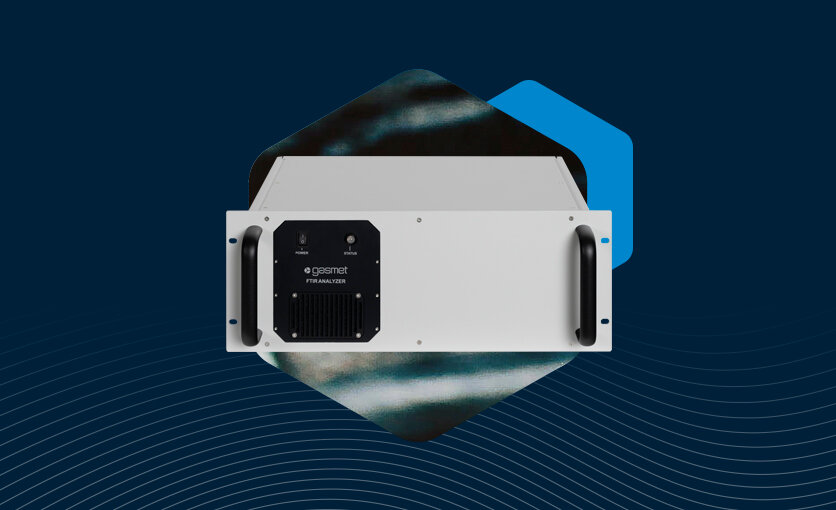
Gasmet’s GT7000 Tellus brings multi-gas FTIR analysis to fixed setups. It supports teams tracking emissions, CO₂ purity and process change.

The Army Corps of Engineers Far East District just earned the Army Safety Star after seven years of work. What that process requires puts the Longview disaster in sharper context for EHS leaders.
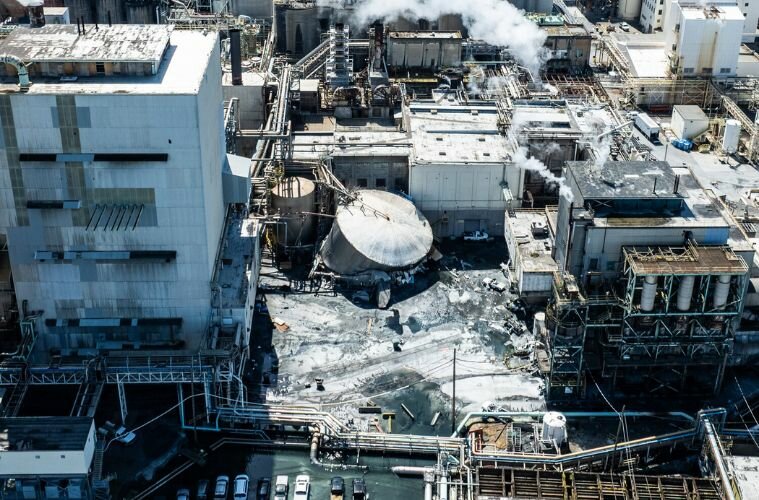
A 900,000-gallon white liquor tank implosion at Nippon Dynawave's Longview mill killed 11 workers on May 26. Federal investigators are on site as scrutiny mounts over the facility's safety record.

Investors call corporate water risk disclosure unfit for decision-making yet keep relying on it. As regulatory pressure builds and water stress accelerates, that tolerance is ending.

MIT research shows third-party audited companies initially report 13.7% higher emissions. That is not failure. It is what honest measurement looks like — and regulators are watching.

A UK consortium validated a floating hydrogen hub delivering 5MW of clean shore power to docked ships with no grid connection, cutting years off typical port electrification timelines.

MSCI's 2026 methodology update is changing ESG scores for 37% of rated issuers. Sustainability and finance leaders need to know what drives the shift before investors ask.

Regulators want data with a documented chain of custody. Assurance providers want controls, not commitments. Most corporate sustainability programs were not built for any of those three things.

Tier 1 buyers are discovering that subcontracted compliance failures move up the liability chain faster than most procurement frameworks were designed to handle.

Myriad has sold Red Basin while keeping future project exposure. The deal adds cash for Copper Mountain as uranium demand gains more investor focus.