

Minnesota regulators approved Xcel Energy's utility-owned distributed battery program, creating a closely watched test of who should own customer-sited storage.

New Hampshire has signed a law directing its Department of Energy to assess transformer vulnerability to geomagnetic and electromagnetic disturbances.

NATO's new 5% GDP spending target could add millions of tonnes of emissions yearly, an SGR analysis finds, as the alliance's own climate targets stall.

New large-load electricity tariffs require multi-year minimum terms and per-megawatt collateral, contract terms finance teams should model before signing.

Scope 3 covers the emissions a company causes but doesn't control — usually the largest share of its footprint and always the hardest to measure. Here's how the categories work, which disclosure mandates are already binding worldwide, and where the honest difficulties live.

Utility rate cases can take a year to clear, and corporate electrification targets now carry legal disclosure weight, turning a planning gap into a financial risk.

Tax incentives are sliding down site selection checklists as states compete on power availability, and several are already rebuilding programs around it.

Ireland could owe up to $30 billion (€26 billion) by 2030 for missing EU climate targets, new fiscal modeling shows, with costs rising after 2030.
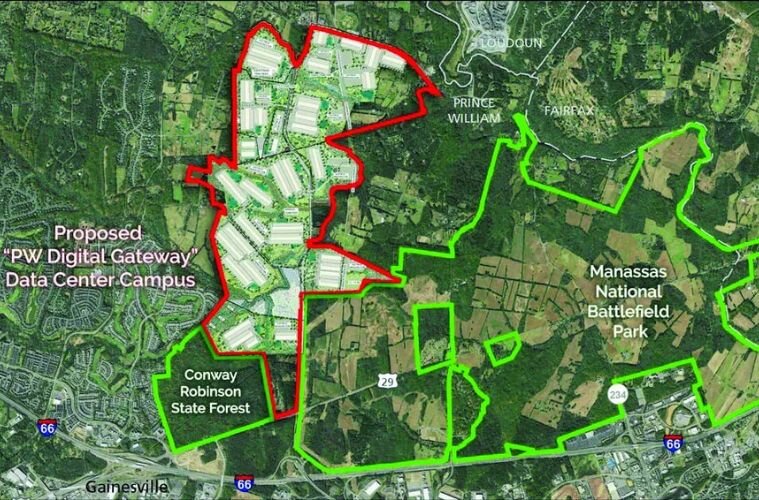
Blackstone's QTS dropped its final appeal, terminating pursuit of a 2,100-acre Virginia data center campus after courts voided the project's rezoning approvals.
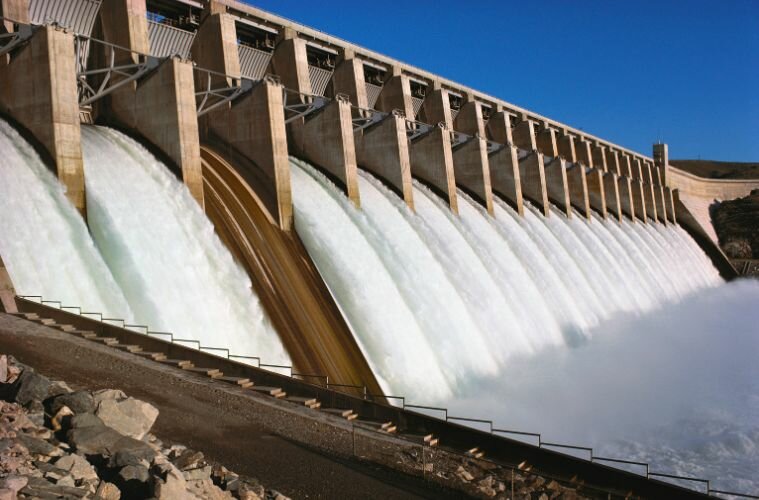
Curtailment orders, discharge limits, and insurance exposure are the water liabilities confronting industrial operations already built and operating in stressed basins.

As skilled trades shortages narrow the contractor pool, procurement teams face a workforce constraint they didn't create and can't negotiate their way out of.

Costa Rica's experience illustrates what happens when environmental protection is treated as an economic design problem rather than a compliance obligation
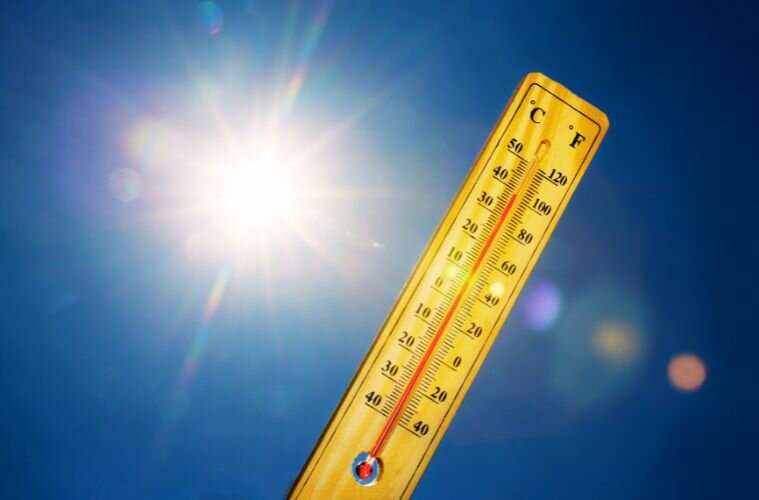
PJM has issued multiple grid reliability alerts as extreme heat pushes electricity demand toward a potential summer record across the Mid-Atlantic.

Senior energy officials from Qatar, the U.S., Nigeria, and Algeria are urging the EU to clarify methane rules before 2027 import requirements begin, warning of rising supply disruption risk.

Infrastructure constraints on power, water and permits are structural, not cyclical. Executives still planning around their resolution are planning for an environment that doesn't exist.

The D.C. Circuit unanimously upheld the EPA's 2024 PM2.5 soot standard on June 26, rejecting the Trump administration's bid to abandon the rule. EPA said it is reviewing the decision.

UPS is investing $48 million in temperature-controlled freight facilities while expanding AI-powered logistics to support growing pharmaceutical demand.

Speakers at London Climate Action Week said cities, businesses, and regional coalitions are increasingly driving climate action ahead of COP31.

World Athletics' 2026 midpoint review shows what happens when sustainability stops being a pledge and becomes a contractual deliverable embedded in event hosting requirements.

Illinois HB1700 expands state authority over renewable energy siting disputes, signaling a broader shift toward accelerating project development.