

EHS teams are being asked to deliver on environmental commitments made before water and land constraints became operational realities. The gap is widening fast.

Permit timelines are stretching. Usage caps are being introduced. The regions that were supposed to make the next decade of growth easier are getting more complicated.

New research shows U.S. recycling rates hinge on infrastructure access, not intent—reshaping how companies measure sustainability performance.

The environmental constraints reshaping industrial timelines across Latin America are less visible than tariffs but just as costly to underestimate.

Before you finalize your next site decision, understand what uneven water infrastructure is actually doing to U.S. industrial expansion.

The turbine market is shifting as efficiency and emissions targets tighten. Growth is being driven by policy, innovation, and rising global energy demand.

How much of your portfolio exposure sits in land and environmental risk your current compliance framework was not built to catch?

DuPont’s spinoff of Chemours shifted PFAS-related liabilities—but evolving science and stricter regulations revealed the limits of a clean break.
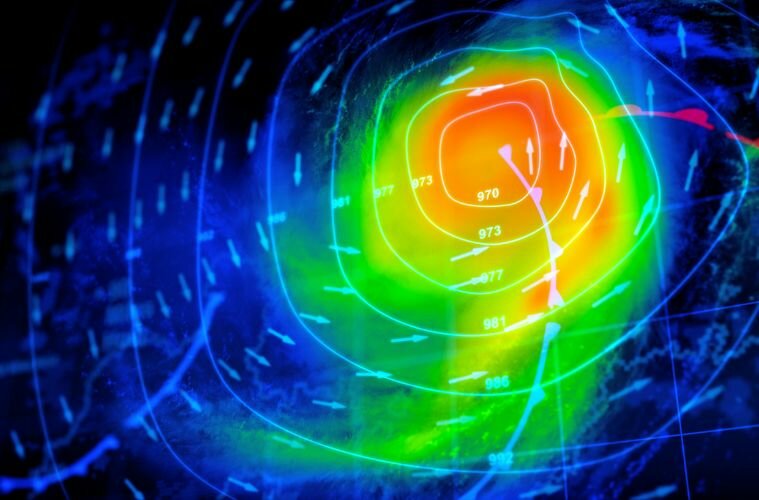
Boston University research shows how AI is improving climate predictions, helping businesses anticipate supply chain and operational risks earlier.

Cross-border growth used to come with manageable environmental risk. That calculus is shifting fast — and most due diligence processes haven't caught up yet.

EPA’s draft CCL 6 adds PFAS, microplastics, and pharmaceuticals to its drinking water watchlist, signaling future regulatory priorities.

According to the World Bank, land access, environmental liability tied to site conditions, and the growing intersection of both with water availability are becoming material constraints for international operations.

Water availability is no longer just an environmental issue. For North American facilities leaders, it's becoming an operational and compliance pressure that demands attention now.

The updated ISO 27914 now has enough detail to matter as a potential substitute for the federal reporting requirement that 45Q tax credits depend on.

The permit application looked straightforward. Then someone pulled the facility's discharge history and the timeline moved. That is happening more than most operations teams realize.

The violations that produced the biggest penalties were not one-time failures. They were patterns that accumulated across years.

Have staffing changes of the last 18 months left gaps in your program that you have not fully mapped yet?

EHS and compliance leaders who wait for enforcement to find violations first are paying more than those who find it themselves.

A compliance program that depends on institutional knowledge that is quietly walking out the door is not a program built for the enforcement environment of 2026.

IQAir's 2025 World Air Quality Report finds global air quality worsened, monitoring data gaps widened, and only 13 countries met WHO PM2.5 guidelines last year.