
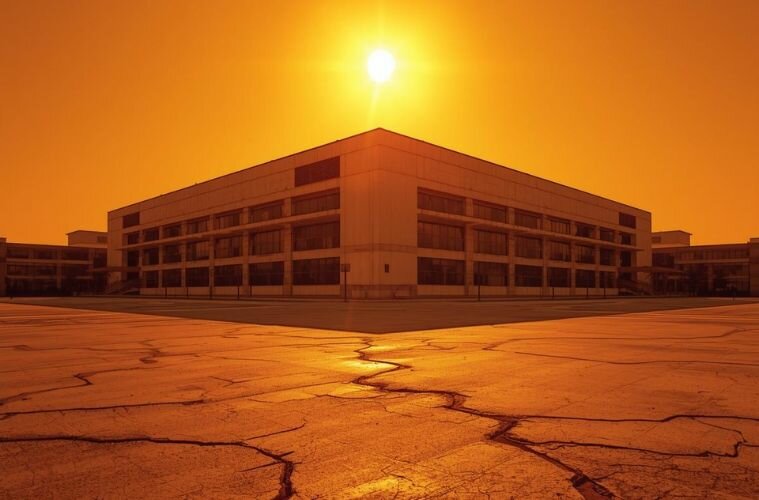
Building energy models were calibrated against climate conditions that no longer exist. Facilities leaders need to understand what that means for efficiency projections and equipment design.

Why flooding, heat, and drought are degrading facility values and restricting insurance access faster than corporate financial models account for.

Polartec is standardizing black fleece to reduce redundant dye work. The move could help outdoor brands simplify sourcing and cut waste.

Gateway Fleets’ 100-truck order shows a more practical path to EV adoption. The model bundles vehicles, charging and support for delivery operators.

California's geothermal planning bill AB 526 died in Appropriations in 2025. A companion CEQA bill was vetoed. Here is where California's in-state geothermal strategy stands now.

The federal BFPP defense protects brownfields buyers from CERCLA liability, but state programs differ significantly. What EHS and legal teams need to understand before acquisition.

Organizations that haven't conducted a systematic PFAS exposure assessment are making that decision by default, and the cost of finding out later is rising.
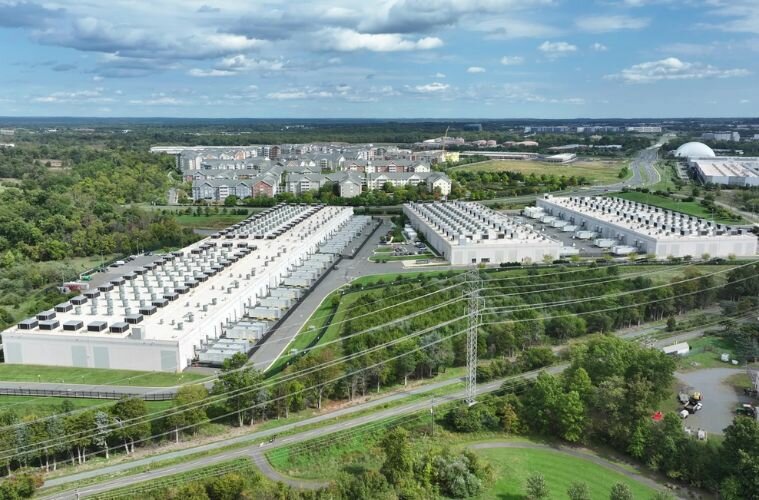
The arithmetic of corporate energy efficiency has stopped working for a growing number of technology-intensive companies.

Mosaic SoC has raised $3.8m to support lower-power spatial awareness. Its chips target wearables, AR glasses and phones where battery life is critical.

School districts are expanding solar projects beyond pilot phases. By pairing generation with efficiency upgrades, they aim to cut costs and emissions.

Minnesota SF4504 would allow customers to install small plug-in solar devices without utility interconnection agreements, fees, or approval. Here is what the provision covers.

A new class of small wind turbines is challenging long-held assumptions about where distributed wind energy works.

Corporate budgets are forcing a choice between efficiency upgrades and resilience investments. What operations leaders need to understand before Q3 capital planning.

Efficiency upgrades in commercial buildings are delivering diminishing returns. What facility managers need to know about the economics and what to prioritize next.

U.S. battery supply chain plans are shifting into real projects. New federal funding is backing domestic electrolyte production and reducing reliance on imports.

Researchers test a vibration based method to scale graphene production with lower energy use. Soon results show faster output and less environmental trade offs.

California’s $20M Project Nexus has completed construction on the first U.S. solar-covered irrigation canal, measuring water savings, power generation, and maintenance cost reductions simultaneously.

Verdantix research shows corporate off-site renewable spend growing 34% through 2030. The gap between signing PPAs and managing them is where financial exposure quietly accumulates.

AI infrastructure build-out is running into a constraint capital can't solve: the grid can't deliver megawatts as fast as investment wants to move.

Most organizations have an energy plan. Fewer have a strategy built on current infrastructure realities. The difference will become measurable and expensive over the next 18 months.