
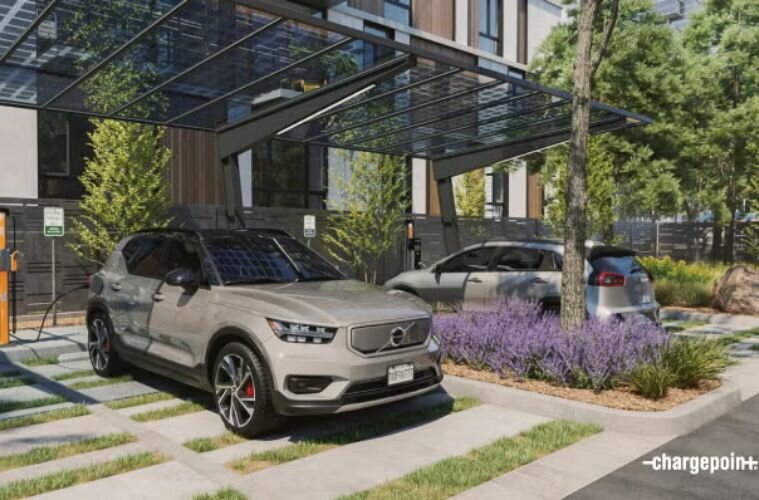
ChargePoint and OBE Power will deploy 2,500 EV charging ports at multifamily housing in 2026, closing a charging access gap that affects millions of apartment-dwelling EV drivers across North America.

UHERO's 2026 Housing Factbook documents declining condo prices, surging insurance premiums, and new FEMA flood map changes arriving in June that will raise carrying costs further.

Durham's Society 5.0 model shows how integrated infrastructure intelligence is becoming a material factor in corporate investment and workforce decisions in 2026.

As low-rate debt rolls over, lenders are factoring transition exposure into credit terms. CFOs entering 2026 refinancing cycles should reassess risk.

With supply deficits, rising energy costs, and renovation needs exceeding $200 billion annually, Europe’s housing strategy increasingly depends on private capital and regulatory coordination.

Mainland China, India, and Canada emerged as the top three markets for LEED certification outside the United States in 2025.

Vermont awards $3.5 million in CDBG and Recovery Housing funds to support housing, ADA compliance, and infrastructure upgrades in 11 communities.

Industry Voice: Extreme weather fueled 27 billion-dollar U.S. disasters in 2024. Resilient, sustainable building is key to cutting risks and recovery costs.

Wildfires are now a year-round crisis, burning hotter and faster across the U.S. Discover how insurers, AI technology, and community action are shifting from payouts to prevention to protect lives, homes, and landscapes.
Shipley Energy reports that managing peak load contribution can lower energy costs for businesses, improving efficiency and savings significantly.

Lobbyists are targeting cool roof mandates across the U.S., raising questions about energy efficiency, climate resilience, and regulatory influence.

Mixed-use project in Washington state brings Passive House design, Net Zero performance, and community-focused amenities to the real estate development sector.

Private equity firms are accelerating acquisitions of mobile home parks—but at what cost? From contaminated water to poor waste management, residents are facing serious environmental health risks as infrastructure fails under profit-driven ownership.
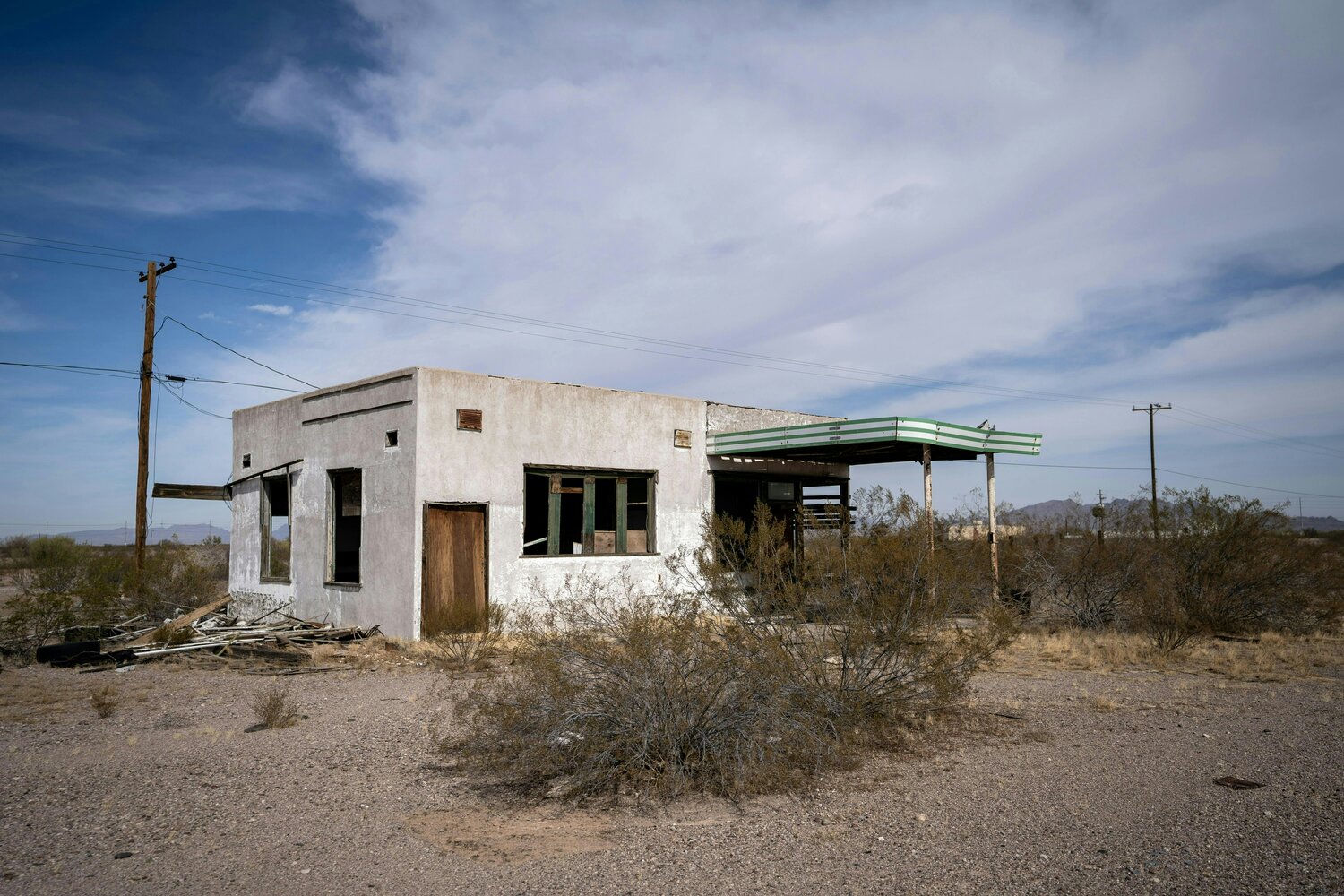
$267M in federal funding will help turn polluted, abandoned lots into new homes, green space, and small business hubs.

Since our relaunch, engagement has surged — and we’re opening new ways for industry leaders to share insights, build visibility, and get involved.
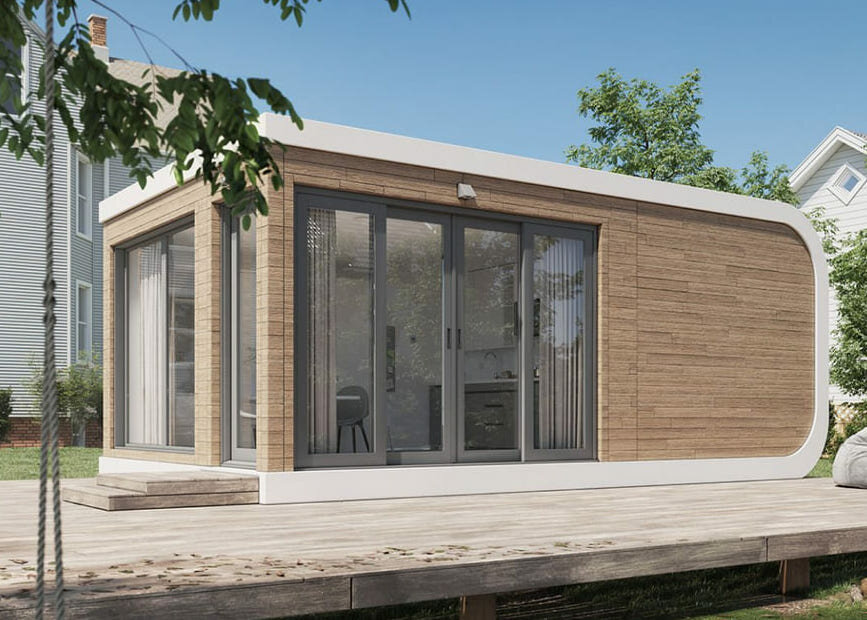
Azure Printed Homes is a fast-scaling company revolutionizing prefab and 3D-printed construction with recycled materials.
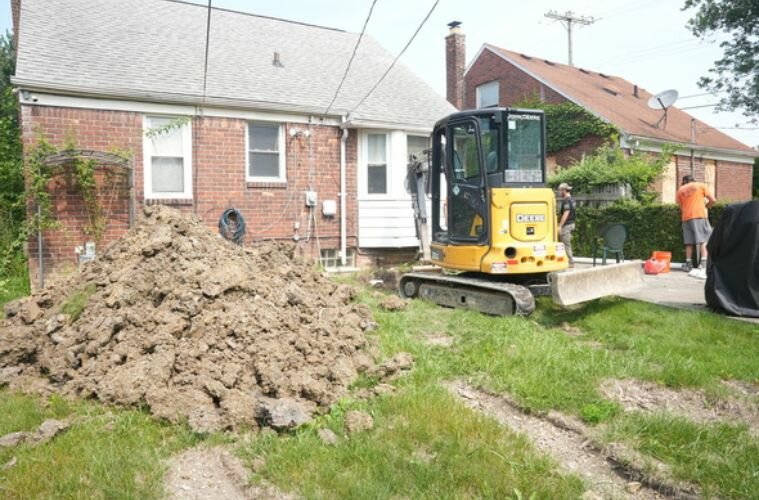
In response to rising flood risks and aging infrastructure, Detroit is expanding its Private Sewer Repair Program (PSRP) to address flood resilience across nearly 100 neighborhoods.
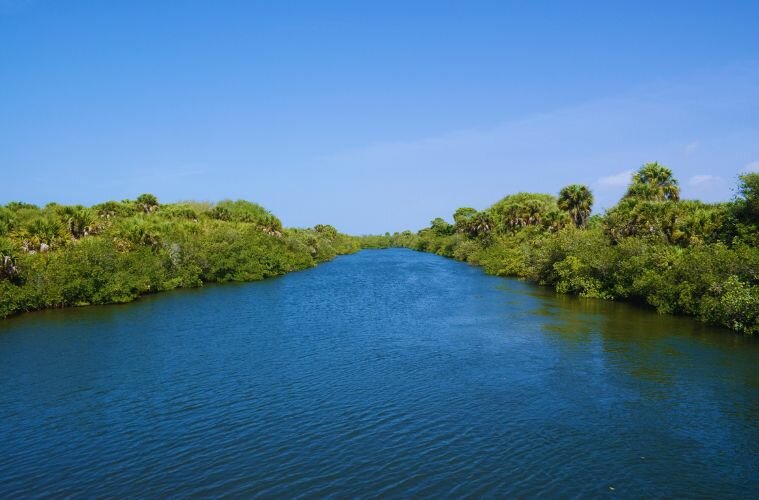
The EPA and Army Corps plan to revise the WOTUS Rule, aiming to clarify waterway jurisdiction, reduce permitting costs, and align with a 2023 Supreme Court ruling.

In 2025, the United States is intensifying its efforts to rehabilitate brownfield sites—properties hindered by the presence or potential presence of hazardous substances, pollutants, or …

Dual disasters in Southern California and Western North Carolina expose critical gaps in utility preparedness, emergency response, and resource equity.