
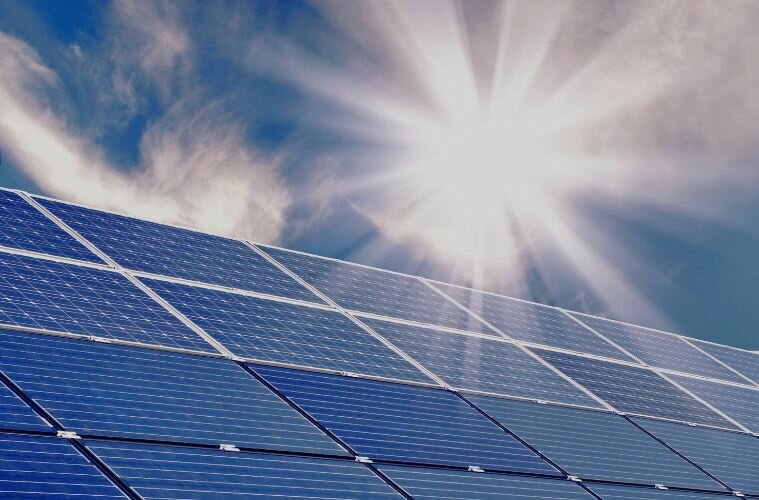
As the demand for clean energy surges nationwide, Ohio finds itself at a crossroads. Despite significant potential for solar energy development, a series of restrictive state laws and local …
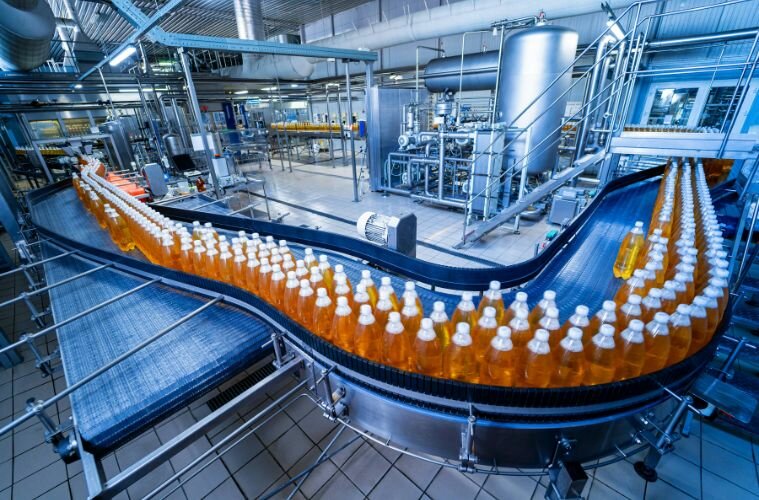
Companies operating in New York must prepare for new compliance frameworks, fee structures, and material sourcing requirements aimed at reducing waste and safeguarding public health.

Grist shares insights from a study published in the journal Science Advances that found hotter weather makes it easier for rodents to feed and breed.
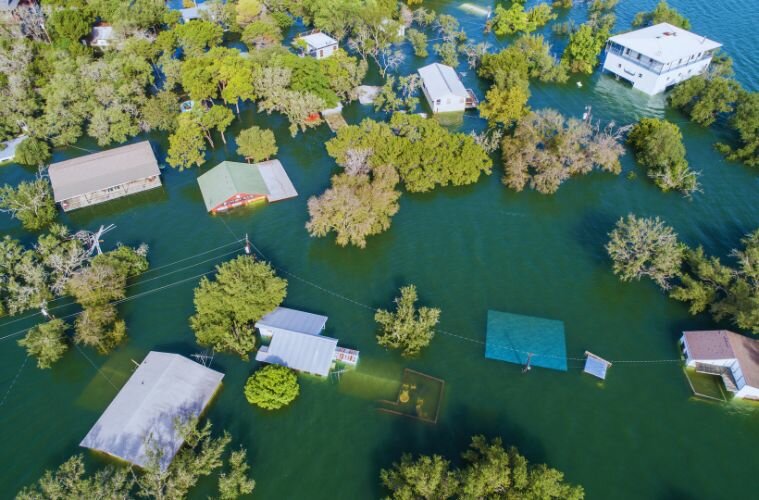
The early onset and concentration of severe weather systems in March 2025 are unusual, raising concerns about future flood risk management and climate resilience strategies.

As semiconductor manufacturers pour billions into new facilities, a parallel challenge is unfolding—the need for infrastructure to support the workforce.
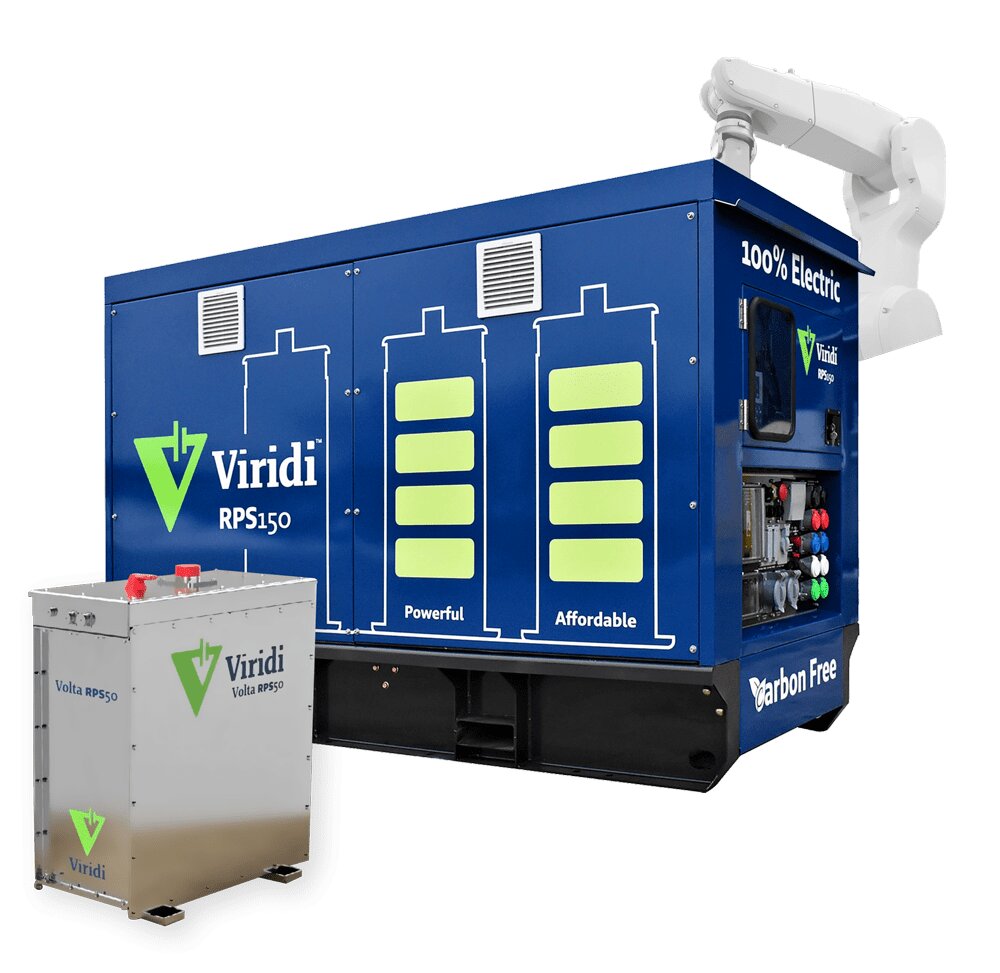
SolarBank and Viridi are developing a solar and battery storage project on a Buffalo landfill. The initiative will support community solar access.

Lead Pipe Replacement and PFAS Removal Among $265 Million in Water Projects

A UMass Amherst study finds New England’s salt marshes store carbon equal to 10 million vehicles, presenting new opportunities for businesses.

With carbon capture technology emerging as a key component of U.S. energy and environmental policy, the EPA has granted West Virginia the authority to regulate Class VI wells for carbon sequestration.
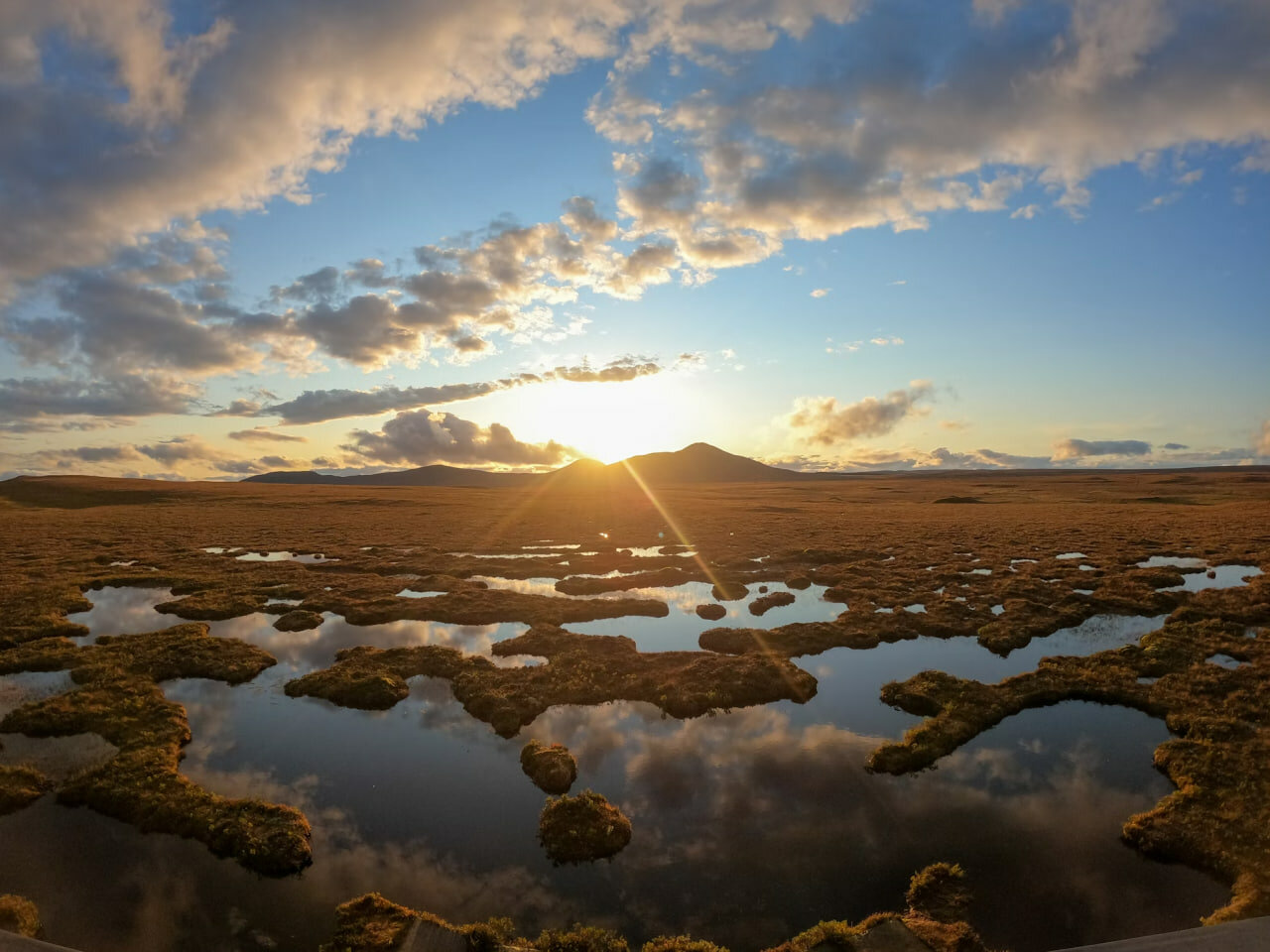
With only 17% of peatlands protected, businesses have a growing opportunity to invest in carbon markets, restoration, and conservation efforts.

JetWind Power’s innovative energy pods transform airplane exhaust into renewable power, easing grid demand and scaling to global markets in 2025.
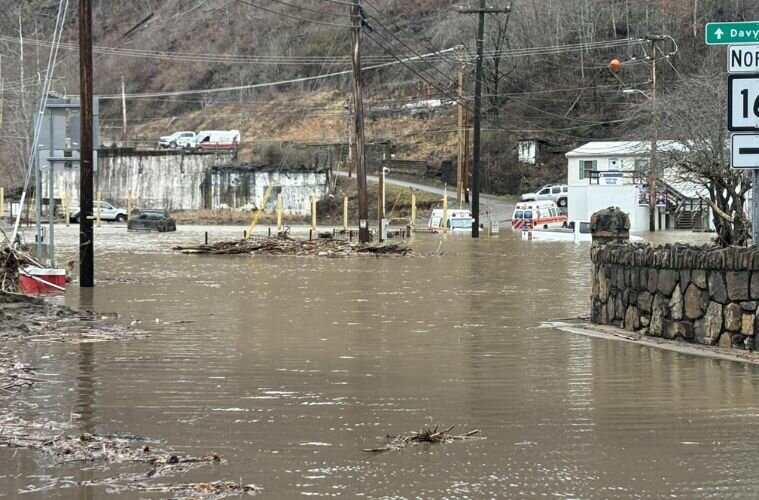
Floodwaters surge across West Virginia, forcing evacuations and emergency declarations in multiple counties.
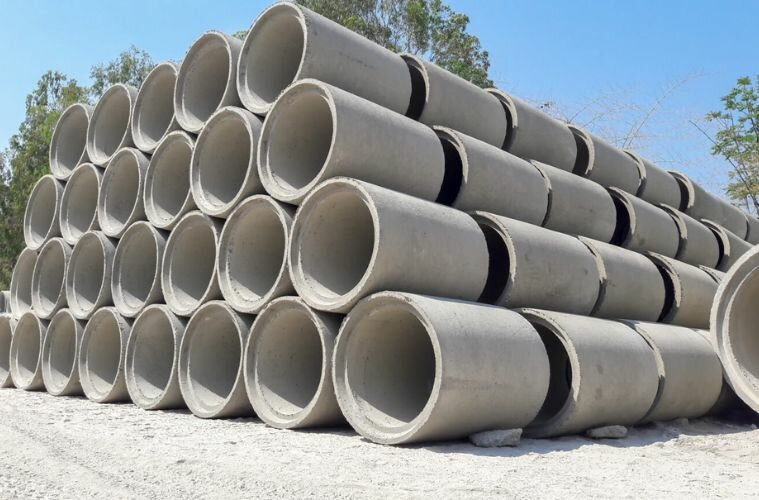
Chryso’s Canadian expansion boosts sustainable construction with eco-friendly materials and localized expertise.
States, consumers, and corporations clash in 2025’s growing wave of PFAS lawsuits over contamination and public health hazards.
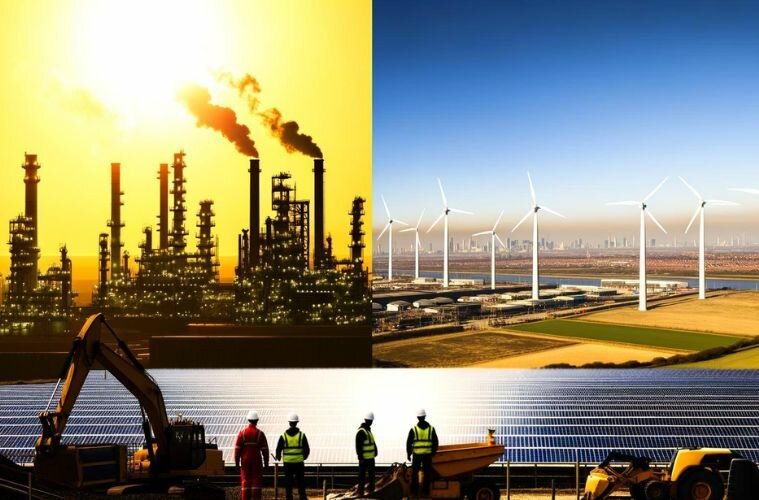
The energy and environmental landscape in the U.S. is changing rapidly, and businesses must decide whether to pivot with deregulation or double down on sustainability.
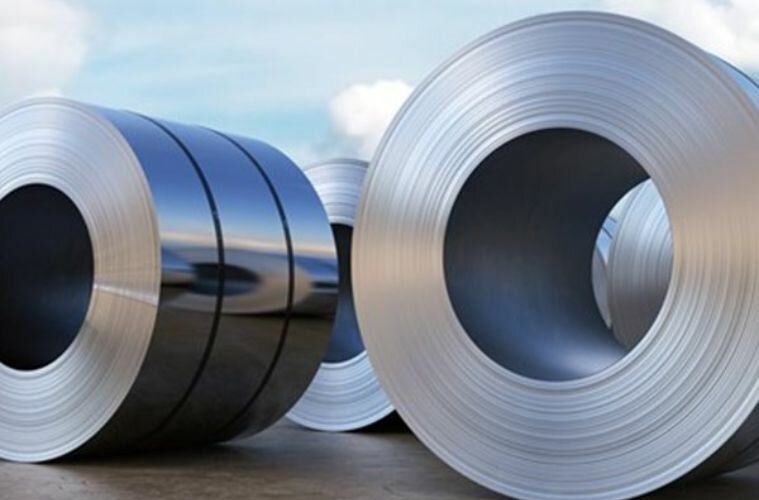
The plant’s strategic location near the AM/NS Calvert facility will further strengthen supply chains and position Alabama as a hub for next-generation steel production.
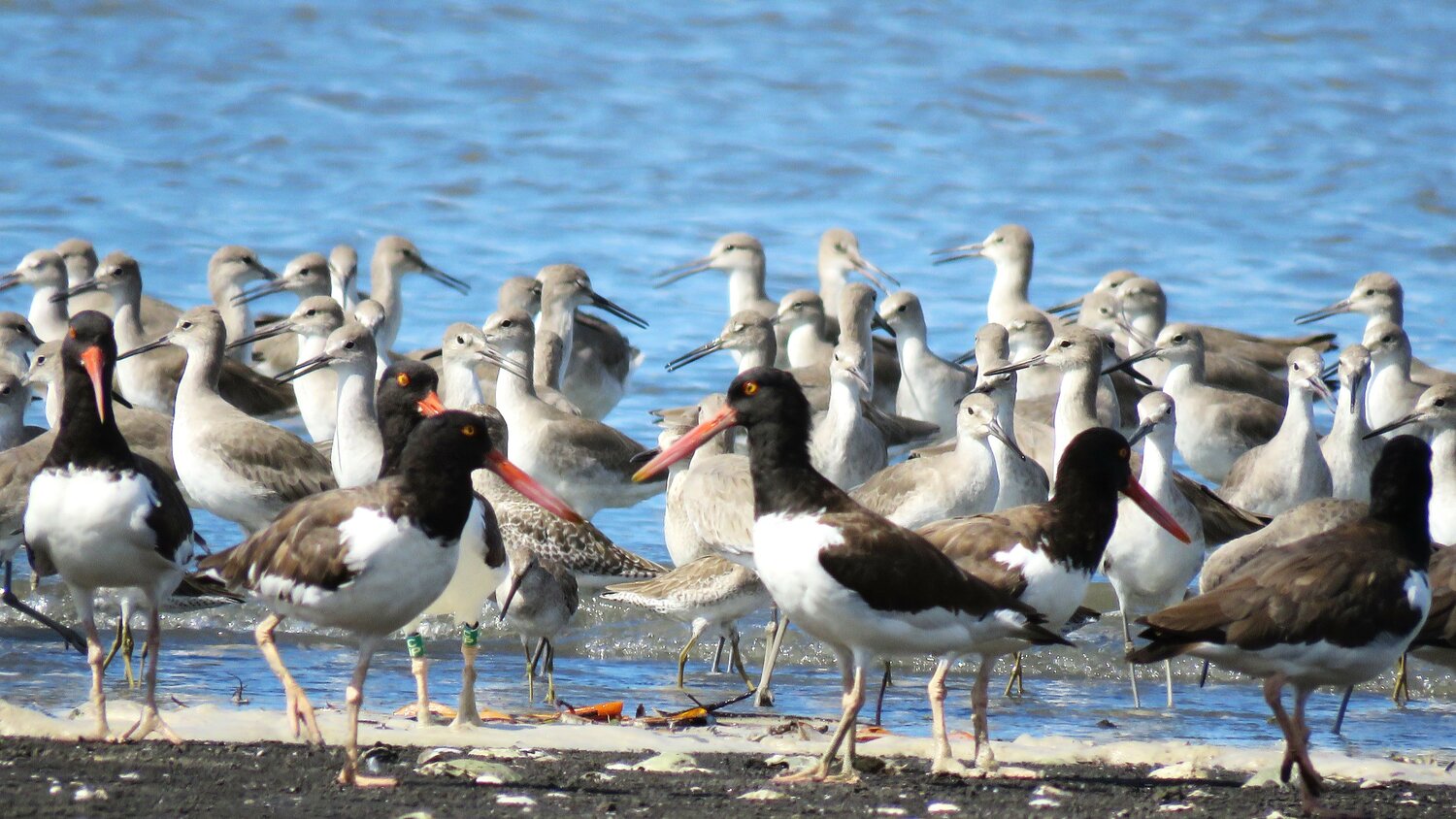
Once at risk, the American Oystercatcher has rebounded 45% since 2008. Conservation efforts offer hope for other declining shorebirds.

With Trump halting EV programs, cities must adapt or delay clean transportation goals—what’s next for urban mobility?
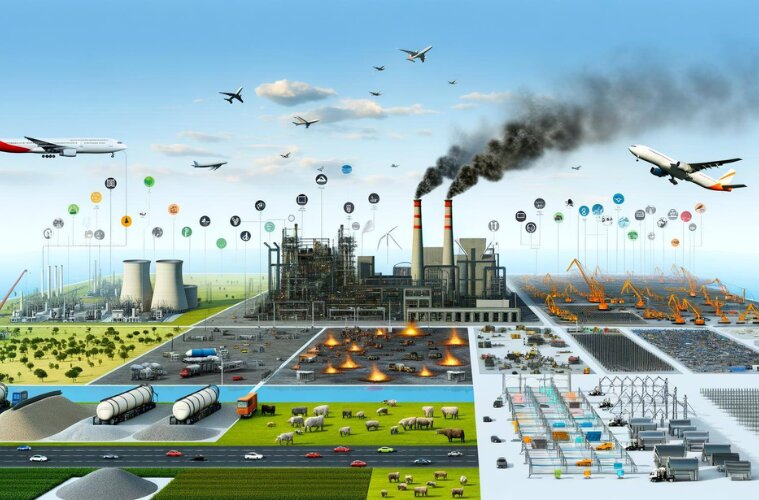
Energy, industry, and transport remain the core drivers of climate change, but digital industries are emerging as major players in emissions growth.
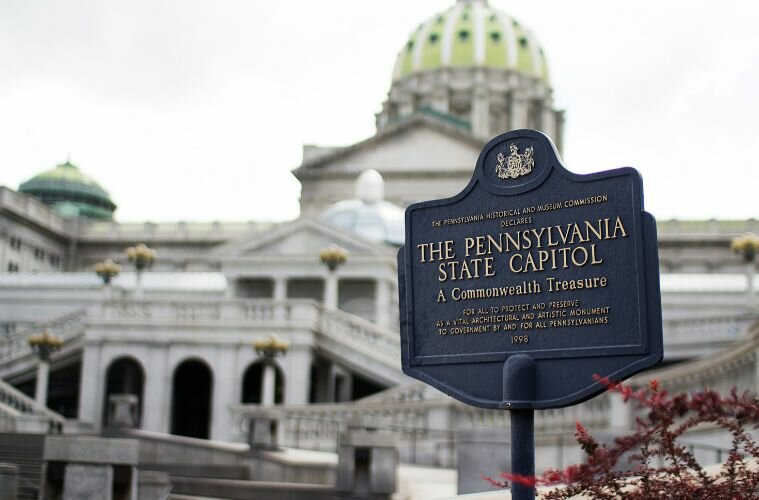
Averting historic price hikes through the PJM agreement and how Pennsylvania’s leadership prevented skyrocketing energy bills.