

France's nuclear fleet reduces output every summer as river cooling limits are exceeded. For multinationals with European operations, the seasonal price spike is now predictable enough to plan around.

NERC puts 13 of 23 North American grid regions at elevated or high risk. When mutual aid fails because neighboring regions are stressed simultaneously, continuity plans built for single-region events break down.
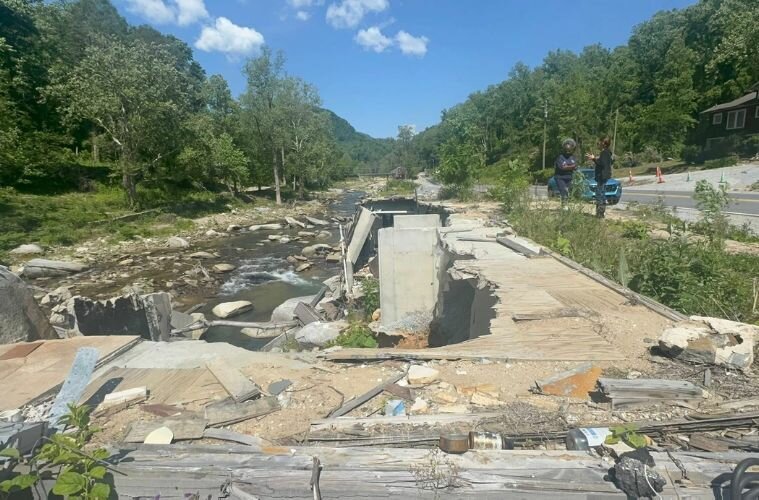
FEMA approved $1.2 billion across seven southeastern states for COVID-19 pandemic reimbursements and disaster recovery work tied to Hurricane Helene.

Zelestra’s 6.5 MWdc Ginosa plant is now online in Puglia. The project links clean power with continued farming, a long-term PPA and student training.

A Utah-Japan pilot will test tungsten recovery from old mine tailings. The project could support cleaner critical mineral supply chains.

Western households are leading energy program adoption. Clearer rates and stronger customer education could help utilities turn interest into grid value.

Interconnection delays are creating PPA delivery shortfalls that finance teams did not model. The cost of sourcing replacement power is showing up as unexplained energy budget variance in 2026.
Radisson is taking net zero from target to test case. Its latest report shows how hotel-level changes are shaping emissions, workforce and supply chain goals.

ISO New England's 2026 CELT Report adds its first behind-the-meter battery forecast and flags a winter peak timing problem tied to heat pump adoption growth through 2035.

Claros reported high PFAS destruction in concentrate from a Minnesota site. The results point to growing interest in capture-and-destroy remediation models.

Project Jupiter is moving to a fuel cell microgrid. The shift highlights how AI data centers are rethinking power, water and local impact.

The cost of not investing in climate health systems is quantifiable, and the financial return on investing in them is exceptionally high.

Federal and state environmental compliance obligations are converging on 2026 and 2027 deadlines. What C-suite and legal leaders need to understand about the compounded exposure.

Ohio SB 103 is now law, letting natural gas utilities offer alternative rate plans to large industrial users consuming over 1.2 million Mcf annually.

Nine Florida schools earned Melbourne's 2026 ECO School Awards for integrating sustainability, conservation, recycling, and habitat programs into campus life and community engagement.
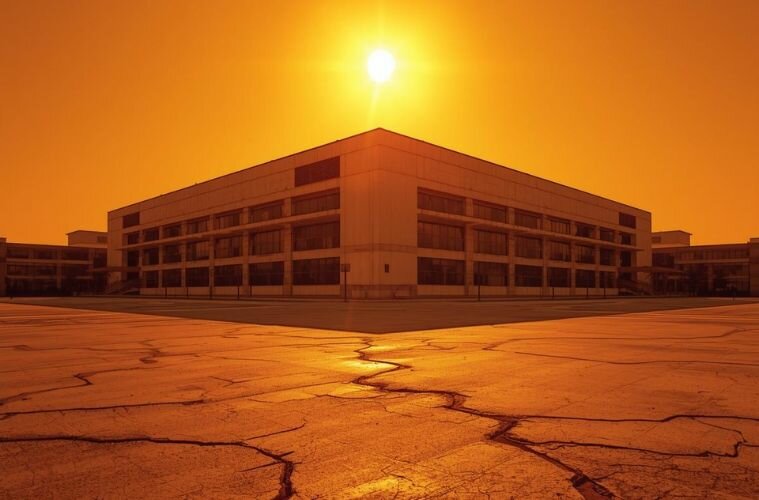
Building energy models were calibrated against climate conditions that no longer exist. Facilities leaders need to understand what that means for efficiency projections and equipment design.

The federal BFPP defense protects brownfields buyers from CERCLA liability, but state programs differ significantly. What EHS and legal teams need to understand before acquisition.

Organizations that haven't conducted a systematic PFAS exposure assessment are making that decision by default, and the cost of finding out later is rising.

School districts are expanding solar projects beyond pilot phases. By pairing generation with efficiency upgrades, they aim to cut costs and emissions.

Most organizations have an energy plan. Fewer have a strategy built on current infrastructure realities. The difference will become measurable and expensive over the next 18 months.