
Power is no longer just an operating cost. In 2026, electricity availability is shaping investment decisions, facility expansion, and corporate growth.

Bio-PDO is moving from green claim to measured carbon data. The latest LCA gives buyers clearer evidence on renewable inputs.
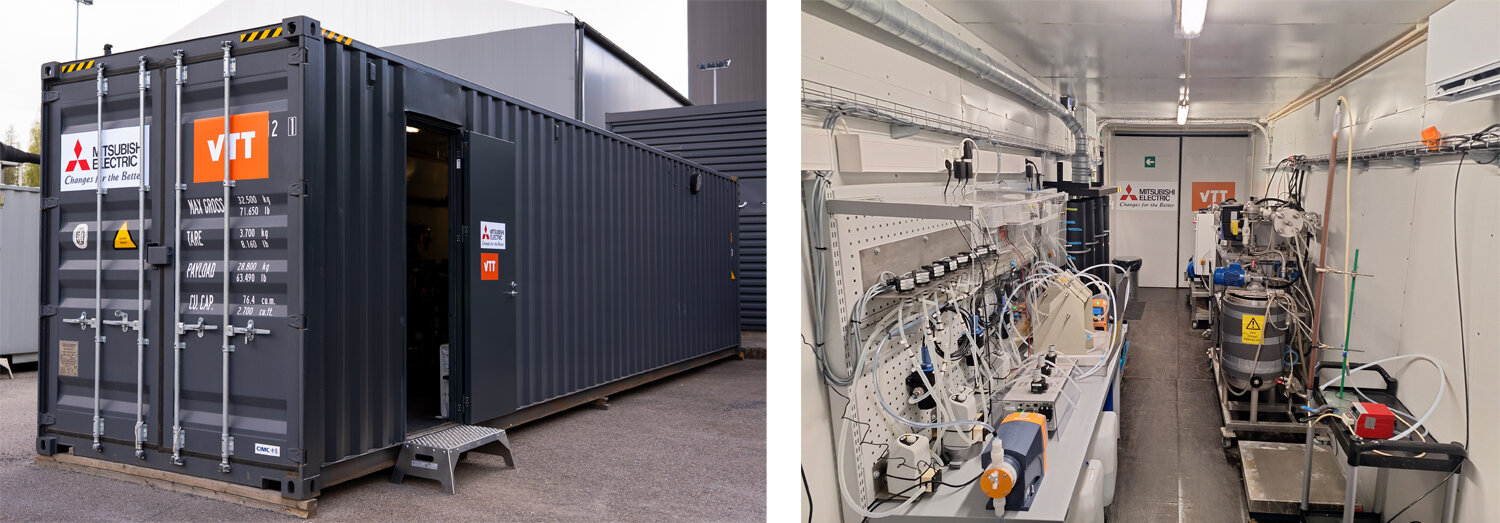
Mitsubishi Electric and VTT are preparing a direct ocean capture system for coastal trials. The work could test seawater's role in scalable carbon removal.

Only 37% of corporate net zero targets cover Scope 3. Supply chain emissions average 11 times a company's own footprint. The people deciding whether climate goals are met are upstream.

Supplier audits confirm today's compliance. They were not built to assess whether a supplier's operating environment is becoming more fragile. That gap is now a strategic liability.

Twenty-one percent of supply chain leaders still operate without real-time visibility into disruptions affecting their suppliers

Companies that map their full supply chain typically find more than they expected: hidden concentration, environmental exposure several tiers deep, and risk that travels farther than anyone modeled.

Consumer Reports detected no PFAS above its threshold in 18 baby wipe brands. No federal standard requires manufacturers to test or disclose PFAS content in personal care products.

Chloride ions from seawater are drawing new battery research attention. Early solid-state work could support future grid storage beyond lithium.
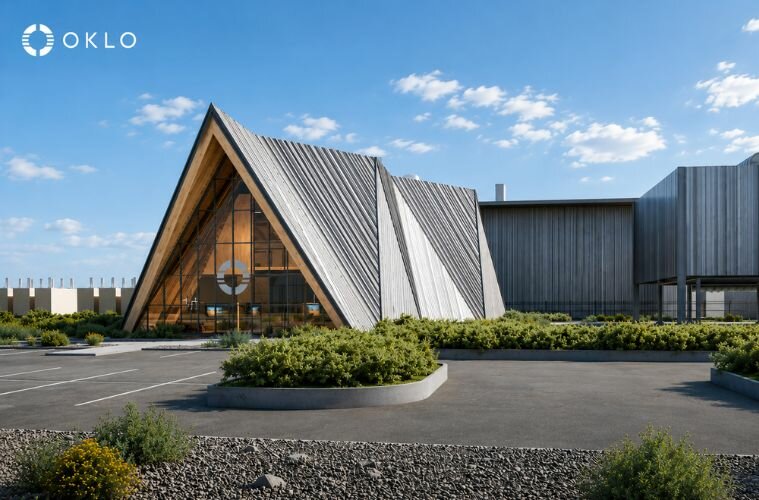
DOE's Idaho Operations Office approved a preliminary safety analysis for Oklo's Aurora reactor under the Reactor Pilot Program, a staged federal framework for advanced nuclear deployment.

Colorado River storage is shrinking. Businesses face tighter water planning, higher supply risks and fewer buffers against dry years.
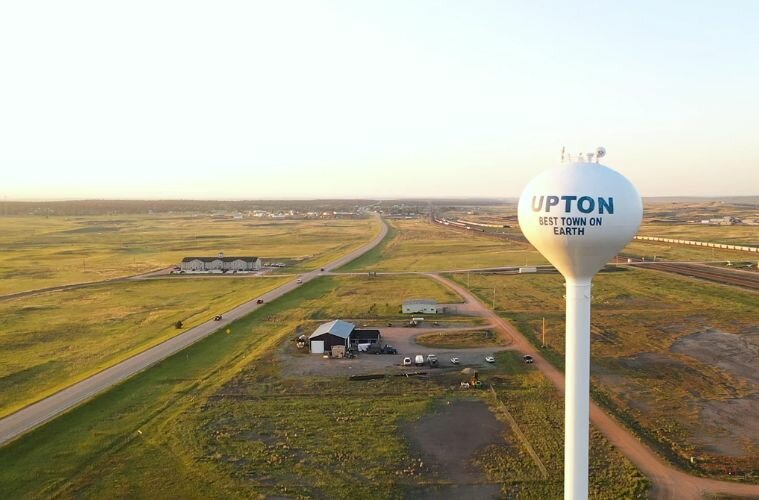
Rare Element Resources reports Bear Lodge is tracking toward March 2028 federal permitting completion under FAST-41, with its Wyoming separation demonstration plant targeting late summer 2026.

Red Metals is investing $70 million in a North Charleston copper rod plant launching Q4 2026, targeting shorter lead times for electrical infrastructure and advanced manufacturing buyers.
Canovation and CANPACK are preparing CanReseal for pilot-line use. The project tests whether resealable aluminum cans can fit existing production.

Wisconsin settled its PFAS enforcement case against Tyco Fire Products, requiring a $10M trust fund payment, replacement wells, and 20 years of groundwater monitoring in Marinette County.
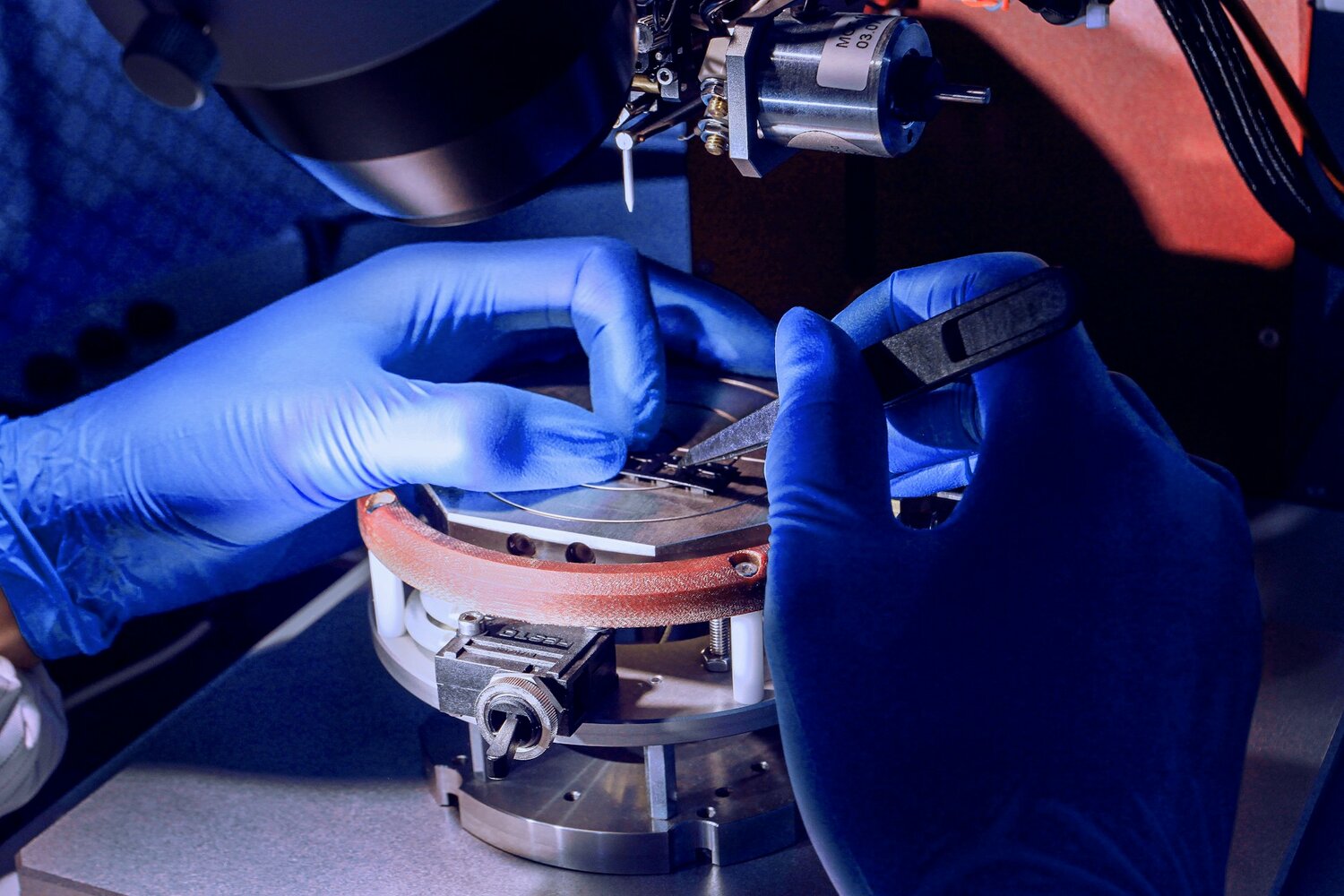
Battery design is becoming a core issue for autonomous systems. Anthro and EnPower are targeting U.S.-made cells for defense, robotics and edge AI.

T5’s East Texas lithium project has secured a five-year Glencore offtake deal. The agreement links Smackover output to U.S. battery supply chains.
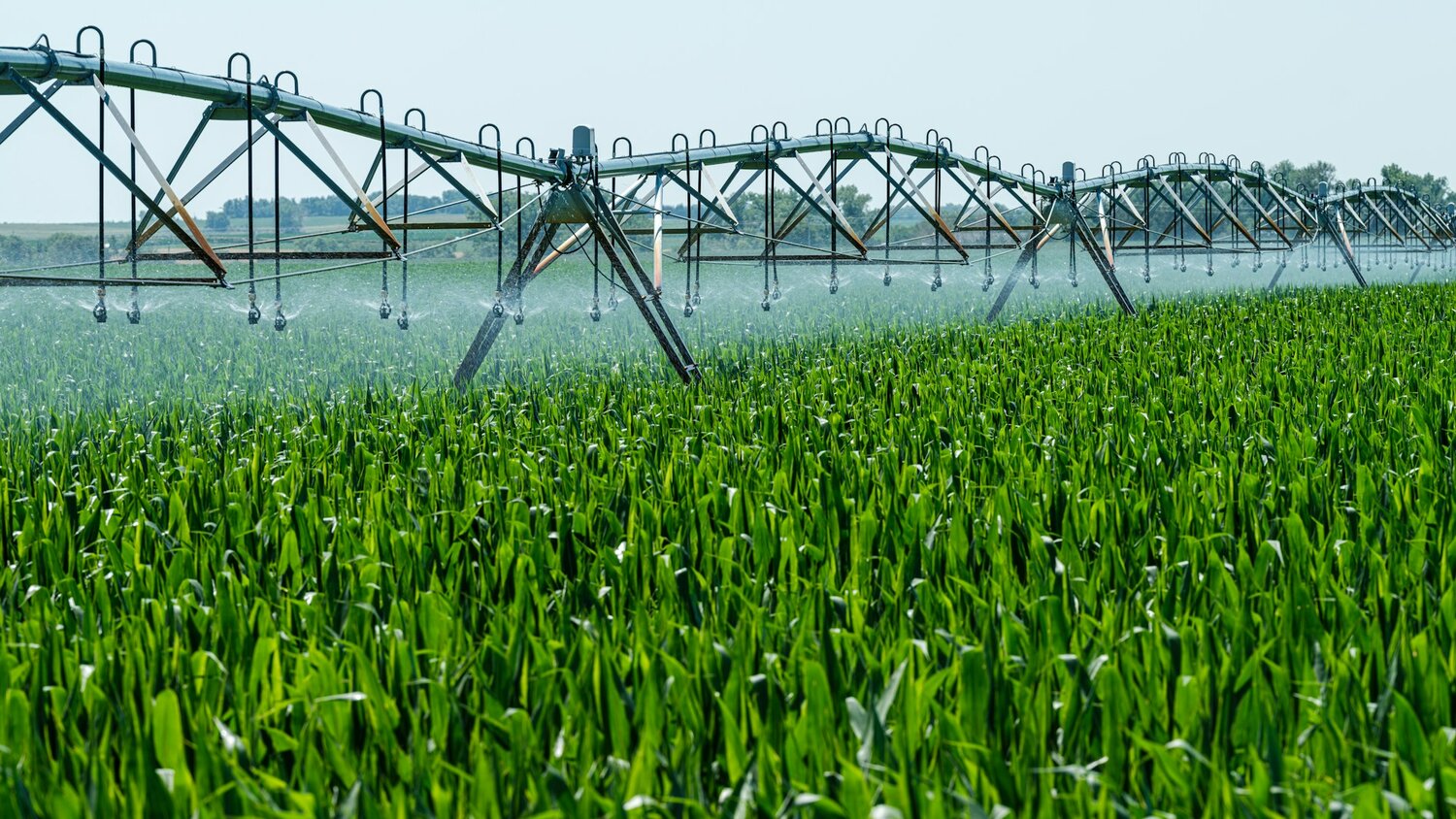
Water risk is becoming a business issue for agriculture-linked companies. A new Bluerisk guide sets out practical steps to strengthen supply chain resilience.
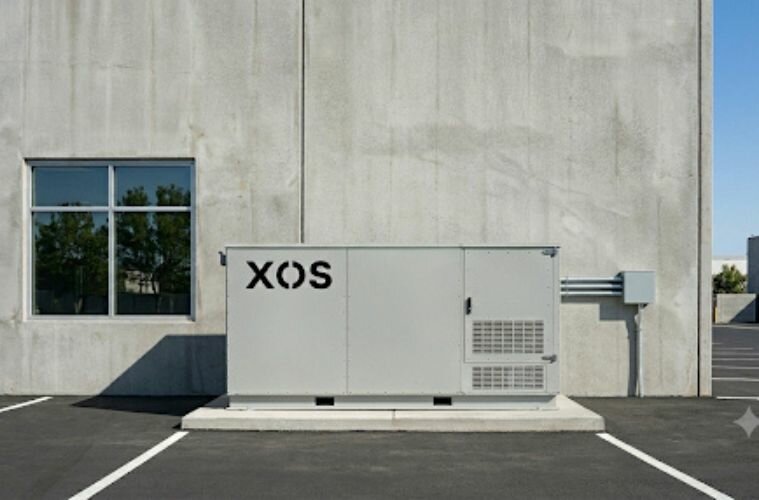
Xos launched a 2.5MWh containerized energy storage system targeting AI data centers and industrial sites stuck behind three-to-seven-year grid interconnection timelines.
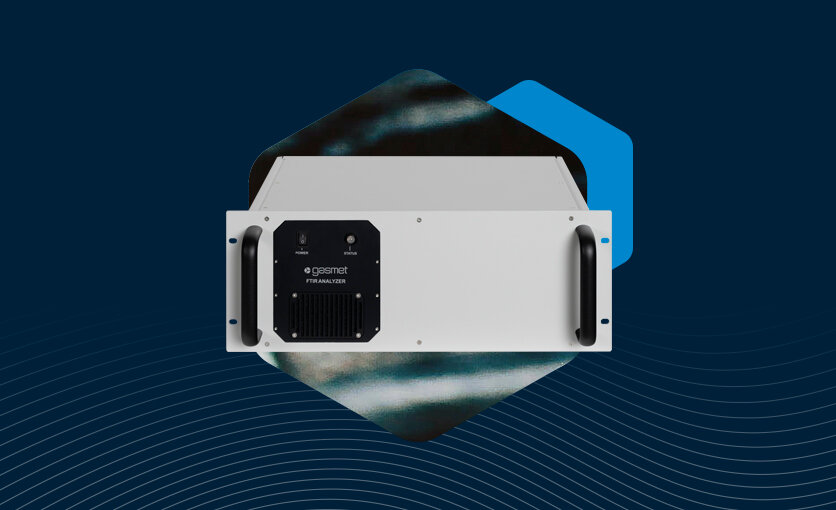
Gasmet’s GT7000 Tellus brings multi-gas FTIR analysis to fixed setups. It supports teams tracking emissions, CO₂ purity and process change.