

Massachusetts’ PFAS legislation is advancing quickly, signaling broader changes in environmental oversight, infrastructure planning, and long-term accountability.

The Ohio Supreme Court upheld approval of a 130-MW solar project, affirming the Power Siting Board’s review of environmental, economic, and public-interest impacts.

The Supreme Court will hear a case testing whether federal agencies exceeded their authority, a ruling that could affect future regulatory and ESG enforcement.

Ohio’s new gas rate law allows utilities to negotiate large-load contracts while isolating infrastructure costs—reshaping risk for executives, finance, and energy buyers.

Pennsylvania House narrowly passes HB 505, expanding utility energy efficiency, resilience, and conservation requirements with major implications for grid planning.

Minnesota’s new PFAS rule requires manufacturers to report intentionally added PFAS by July 1, 2026, with detailed product data, fees, and annual updates.

A federal court has vacated the nationwide pause on wind permits, finding the Wind Order unlawful and requiring agencies to resume processing applications.

A federal court vacated Detroit’s ozone redesignation, restoring Moderate controls and raising new compliance considerations for 2026 infrastructure projects.

New Jersey’s PFAS bills tighten product bans while granting fire departments a one-year foam extension, reshaping compliance for municipalities and industry.

Indiana’s new SB 54 would restrict local solar siting by requiring rezoning before overlay districts can host commercial solar projects, reshaping project development.
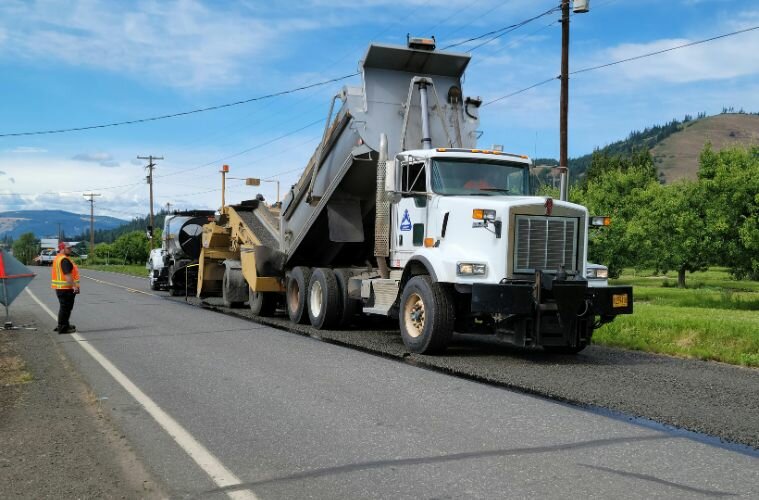
HB 3991 makes EV and hybrid drivers pay per mile, ends Oregon’s toll program, and adds stronger ODOT oversight to stabilize road funding and project delivery.

Nebraska and Iowa defend ethanol CCS reporting, while 18 states and cities warn EPA’s GHGRP rollback would undermine climate data and Clean Air Act duties.

PEER demands the EPA correct misleading PFAS data, spotlighting risks to scientific integrity and regulatory trust.

The suspension of SNAP benefits for 42 million Americans exposes how food insecurity intersects with resilience planning, social equity, and sustainability risk.

A federal appeals court finds Puerto Rico’s water crisis may involve constitutional rights, signaling new legal standards for public utility accountability.

Florida’s SB 290 would preempt local bans on gas-powered farm and landscape equipment and allow some conservation lands to be surpluses for agriculture.

Indonesia enacts new regulation to turn urban waste into renewable energy through Danantara-led waste-to-energy projects.

Massachusetts’ Nature for All bill creates a dedicated fund to protect land, expand parks, and improve equitable access to nature statewide.

The Iowa Department of Natural Resources finalized a discharge permit for the Ottumwa Generating Station, a coal-fired power station, after months of opposition from members of the public and environmental groups.

D.C. allocates $254M to climate programs, supporting renewable energy, Anacostia River cleanup, and stormwater mitigation in the 2026 budget.