

The critical interplay between technological advancement, sustainable production practices, and strategic regional growth
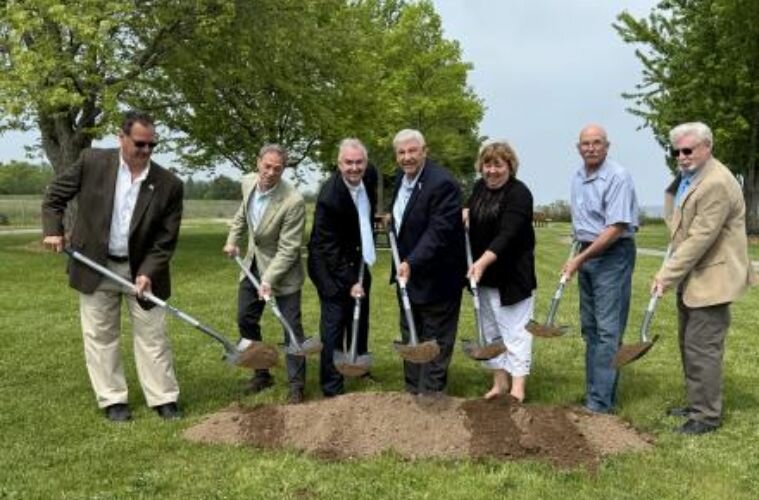
New York invests $13M to protect Lake Ontario, enhance flood resilience, and modernize public sanitation.

Brooklyn Navy Yard is opening 30 new spots for EV charging. The move supports NYC’s green goals and growing demand for clean transport.

A U.S. appeals court ruled that Iowa counties cannot enforce local safety ordinances on a federally regulated carbon pipeline. The case could shape how local and federal authorities intersect in carbon capture infrastructure.

Without coordinated efforts to scale renewable supply or enhance energy efficiency, the environmental cost of powering AI could continue to escalate

As cities and developers increasingly prioritize sustainable building practices, recycled concrete is becoming a more widely adopted component of infrastructure projects.
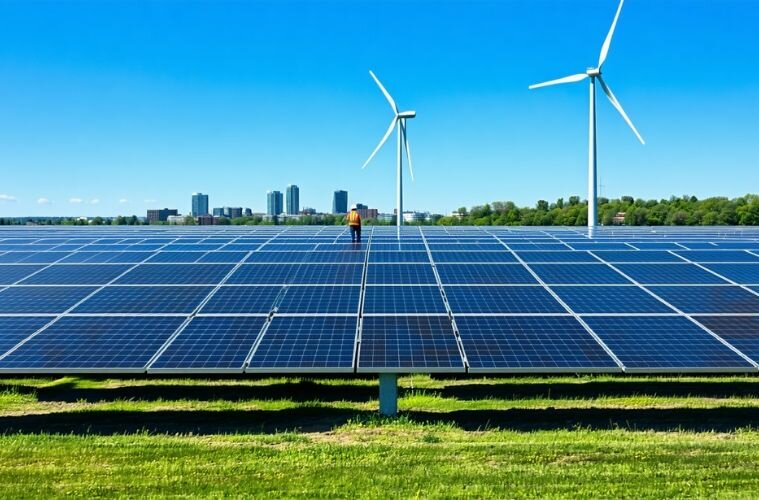
Connecticut HB 5004 lays out multiple renewable energy initiatives designed to advance the state’s decarbonization goals.
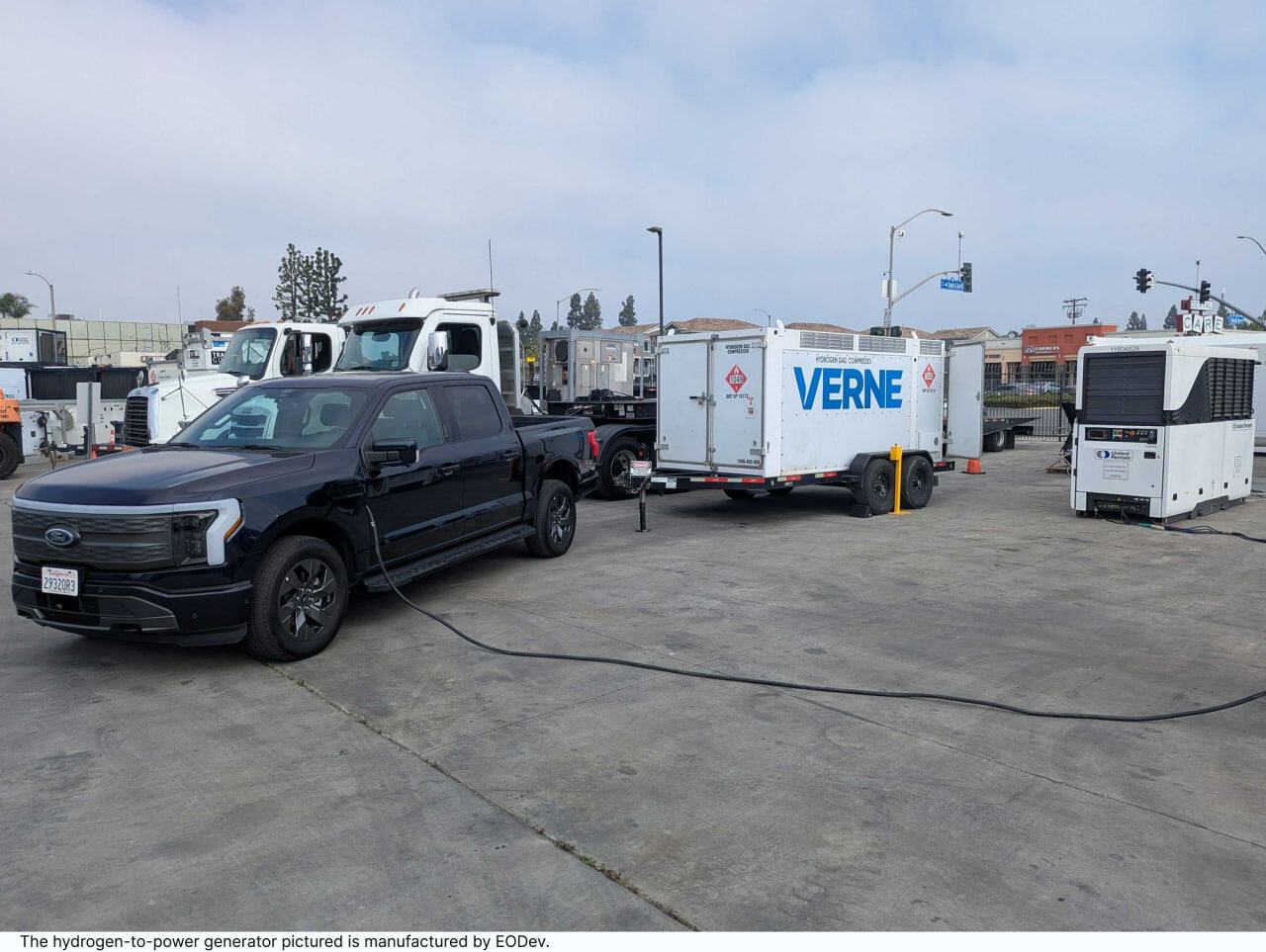
Hydrogen is stepping in where diesel dominated. A new service brings clean, quiet power to job sites, ports, and EV charging hubs.

Ontario’s Bill 40 reshapes energy policy with hydrogen innovation, rate stabilization, and streamlined municipal decisions to fuel economic growth across the province.
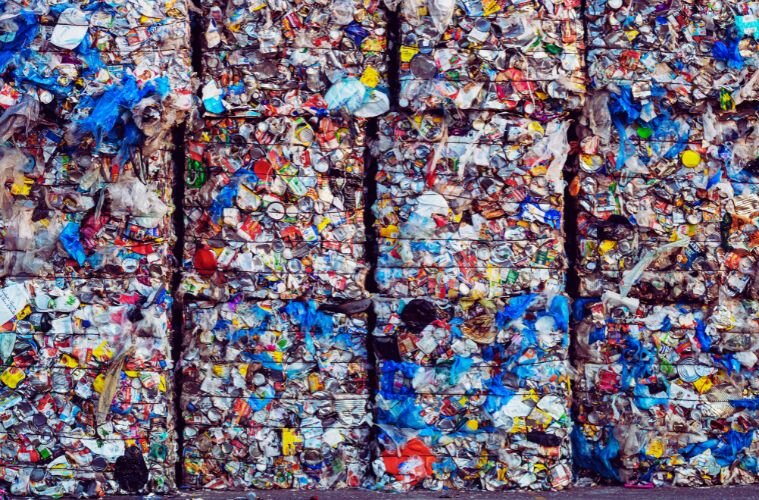
Plastyx Ltd. secures 75% of its 2025 plastic waste goal, advancing advanced recycling with Agilyx ASA to ensure high-quality feedstock for packaging.
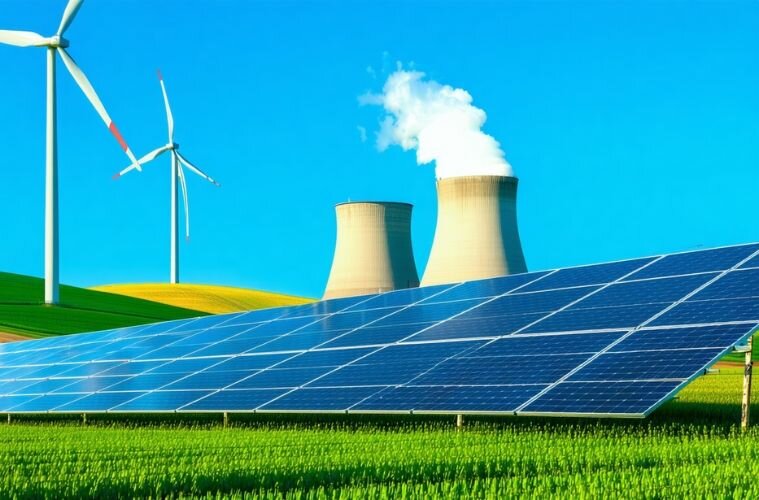
Wisconsin’s Assembly Bill 174, introduced in April 2025, is ushering in widespread changes across the state’s energy landscape.

Environmental concerns and outdated zoning challenge waterfront development in Hudson, New York, prompting calls for stronger industrial oversight.
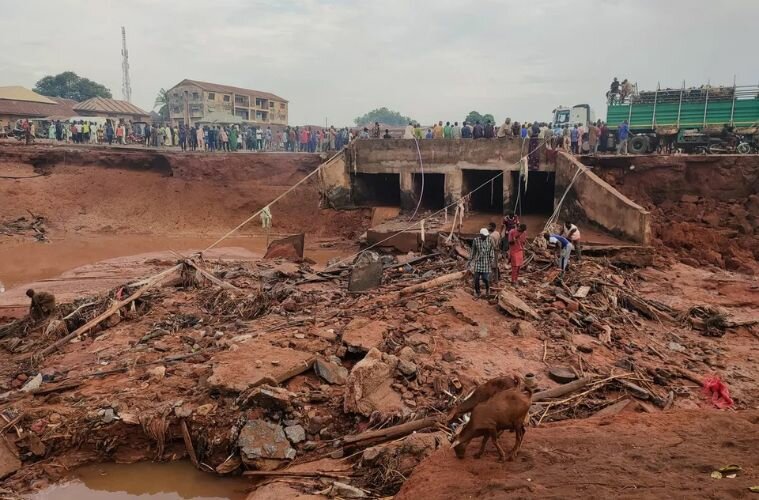
The increasing severity of flooding in Nigeria is directly linked to rising global temperatures and changing rainfall patterns.

FAMU-FSU engineers unveil an integrated cryogenic hydrogen storage and cooling system powering a rapid zero-emission aviation toward commercial reality by 2035.
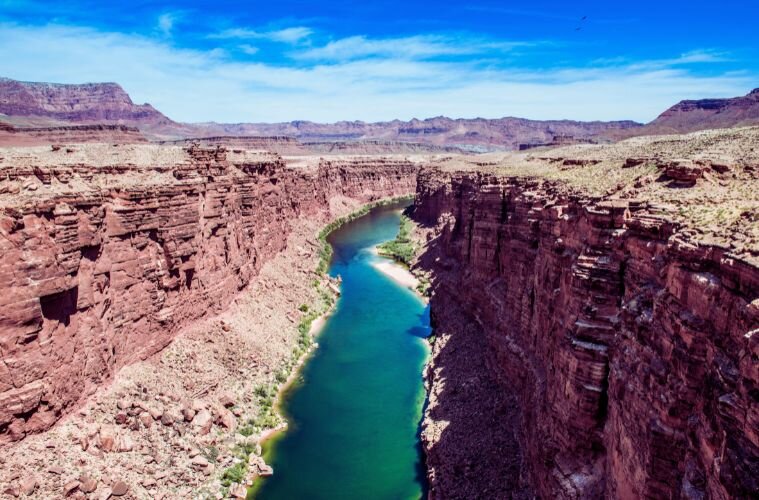
Groundwater depletion in the Colorado River Basin is accelerating, threatening municipal supply, agriculture, and energy infrastructure.

Private equity firms are accelerating acquisitions of mobile home parks—but at what cost? From contaminated water to poor waste management, residents are facing serious environmental health risks as infrastructure fails under profit-driven ownership.

ML-powered climate forecasts drive resilient strategies to combat extreme weather, boost sustainable agriculture, and enhance disaster preparedness.
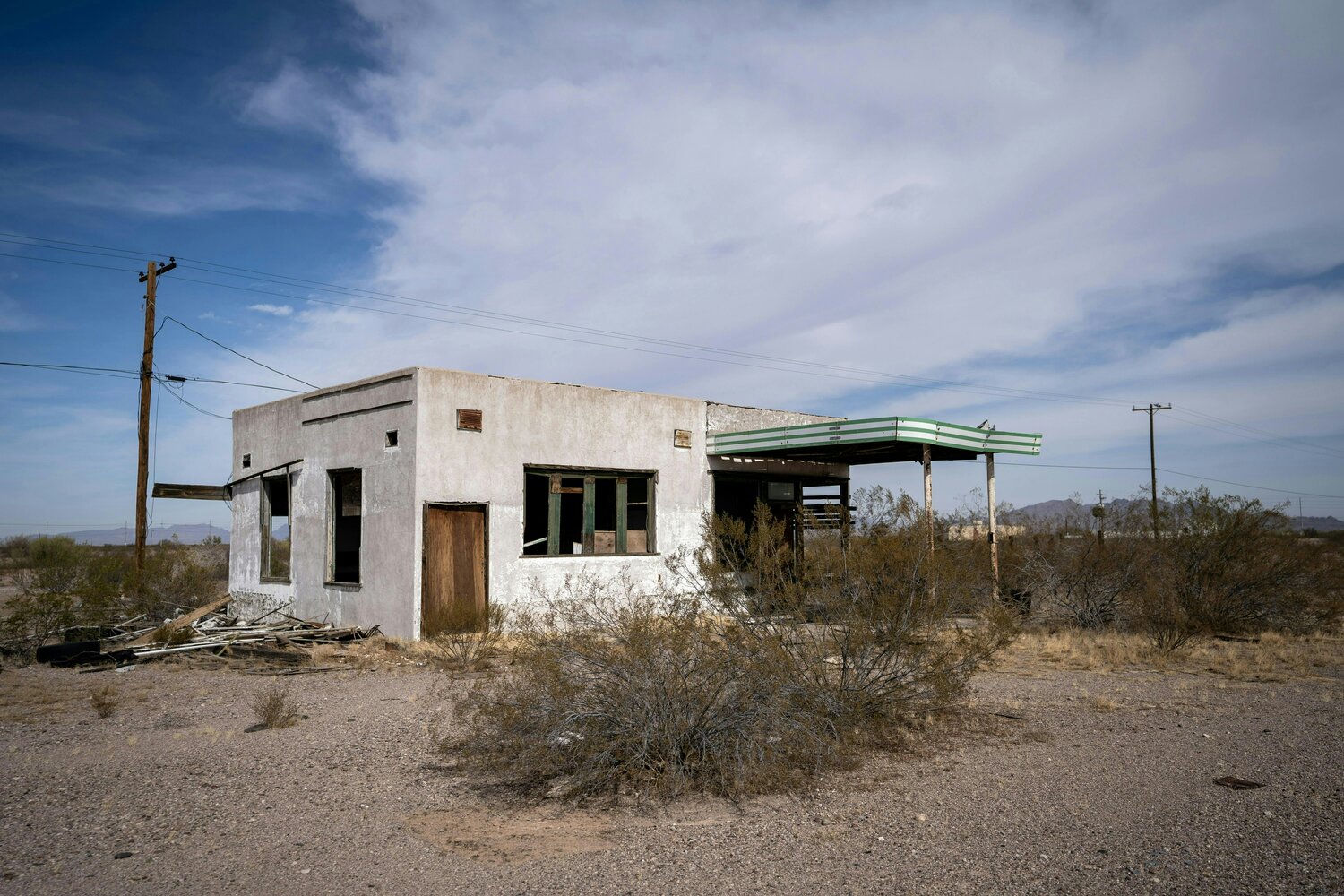
$267M in federal funding will help turn polluted, abandoned lots into new homes, green space, and small business hubs.

Half of Gen Z and millennials say they’re burned out. But they’re still showing up—and they want work that actually means something.
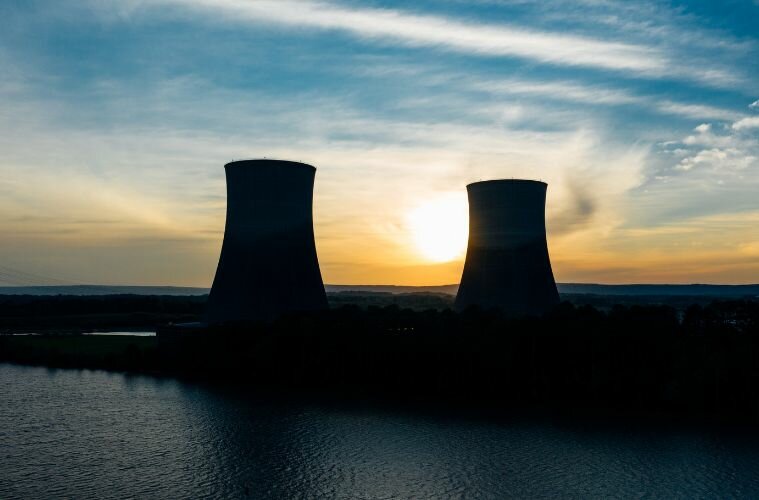
Tennessee’s HB 1133 expands tax exemptions for nuclear energy, supporting uranium processing and strengthening the state’s position in clean energy development.