

AI growth is colliding with energy availability and data center limits, changing how companies allocate capital as 2026 planning cycles begin.
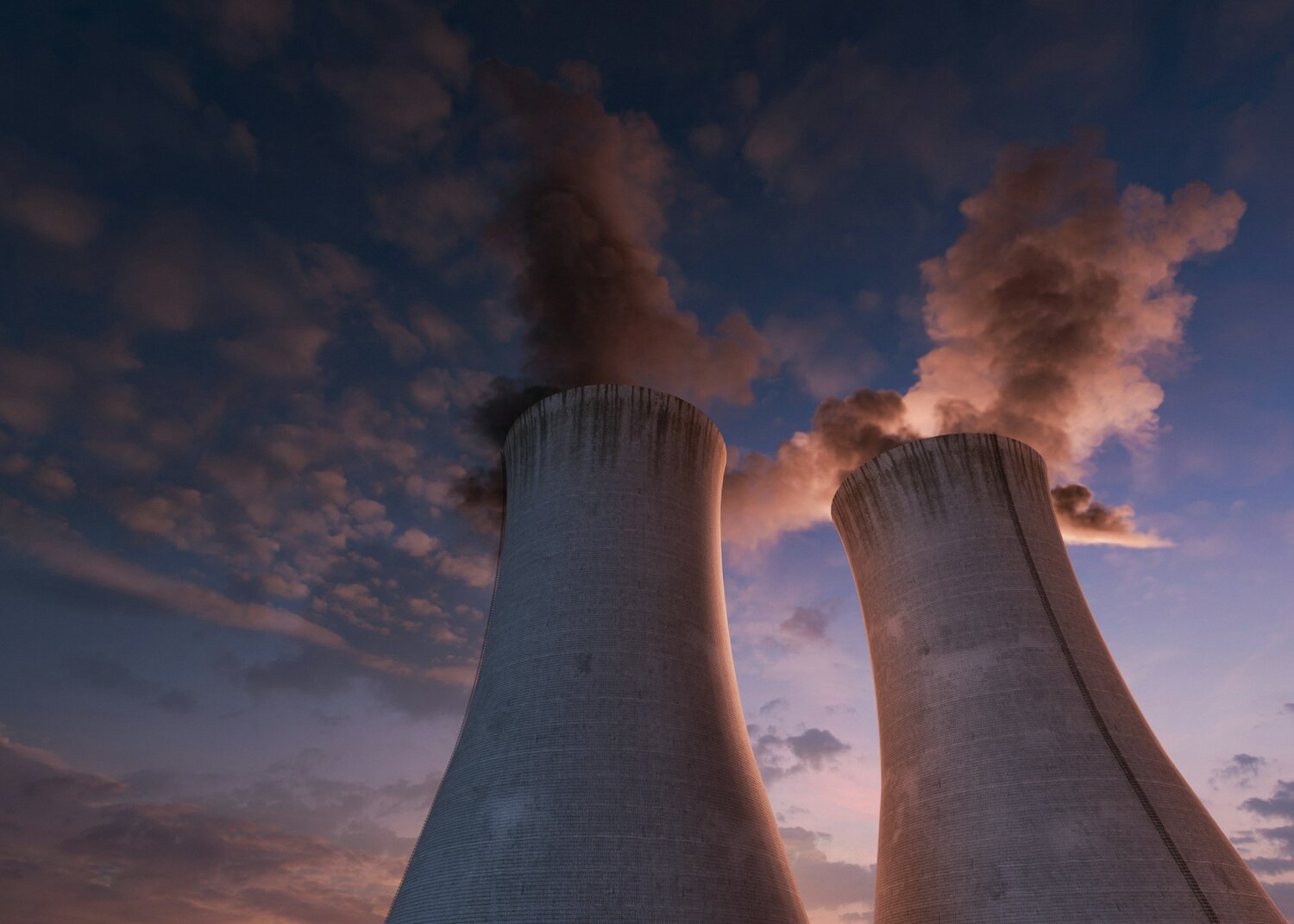
Denison’s Phoenix project is on track for a 2026 construction start. With major planning complete, it could be Canada’s next uranium mine by 2028.

Interconnection reforms and operator data reveal how grid congestion is reshaping project economics, contracts, and delivery risk heading into 2026.

Duke Energy has submitted an early site permit application to the NRC for potential nuclear development near Belews Creek in North Carolina.

Massachusetts’ PFAS legislation is advancing quickly, signaling broader changes in environmental oversight, infrastructure planning, and long-term accountability.

The Ohio Supreme Court upheld approval of a 130-MW solar project, affirming the Power Siting Board’s review of environmental, economic, and public-interest impacts.

Grid bottlenecks, transformer shortages, and supply chain delays are forcing boards to reassess capital timing, operational resilience, and enterprise risk.

Rising energy demand is reshaping sustainability priorities, putting buildings at the center of efforts to cut energy use, reduce emissions, and relieve pressure on the grid.

The CDC will hold a public January 28, 2026 meeting of its radiation worker health subcommittee to review dose reconstruction procedures and related documents.

An IMF climate policy diagnostic finds climate shocks pose macro-critical risks to Liberia’s economy, urging reforms across energy, water, and fiscal policy.

The Supreme Court will hear a case testing whether federal agencies exceeded their authority, a ruling that could affect future regulatory and ESG enforcement.

Ohio’s new gas rate law allows utilities to negotiate large-load contracts while isolating infrastructure costs—reshaping risk for executives, finance, and energy buyers.

United Rentals scales an AI-powered maintenance platform with AWS to speed repairs, improve fleet utilization, and support safer equipment servicing.

Seatrium and a Maersk affiliate resolved arbitration tied to a wind turbine installation vessel, securing delivery by February 2026 and stabilizing an offshore wind project.
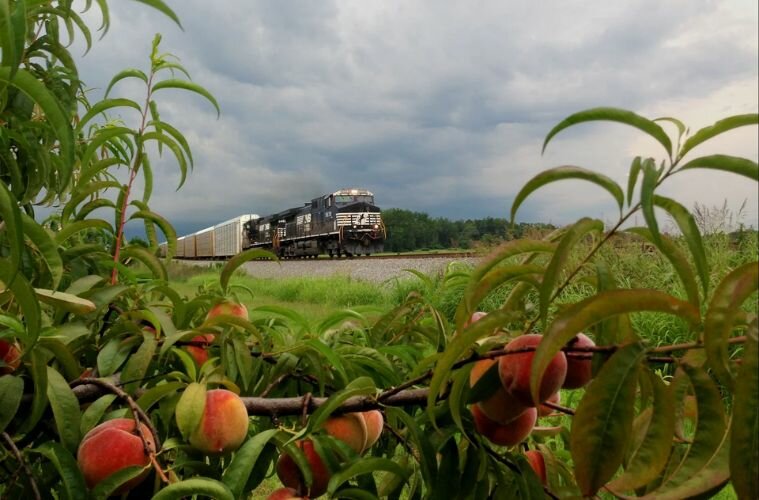
Union Pacific and Norfolk Southern filed an STB merger application to create the first U.S. transcontinental railroad, citing competition, efficiency, and emissions benefits.

Agilent has opened an India refurbishment center delivering certified pre-owned lab instruments, supporting circular economy goals, affordability, and sustainable science.

Wicomico County selects Waga Energy to develop an RNG facility at Newland Park Landfill, capturing methane emissions and delivering renewable gas to Maryland’s pipeline network.

A year-end look at how the planet fared in 2025, examining major climate events, policy shifts, environmental tipping points, and the signals shaping risk, resilience, and action heading into 2026.

Battery storage surged past 5 GW in Q3 2025, outpacing last year’s total. With demand rising, storage is now key to keeping the U.S. grid stable and flexible.

A new report shows Kentucky could cut $2.6B in energy costs by shifting from coal to clean energy. Delaying the transition may lock in higher utility bills.