

Louisiana’s AI data center boom is testing the state’s power system. Advocates warn households and businesses could face higher bills without stronger oversight.

Prevalon’s HD5 AC shifts more storage work into the factory. The system is built to reduce field complexity, commissioning delays and project risk.
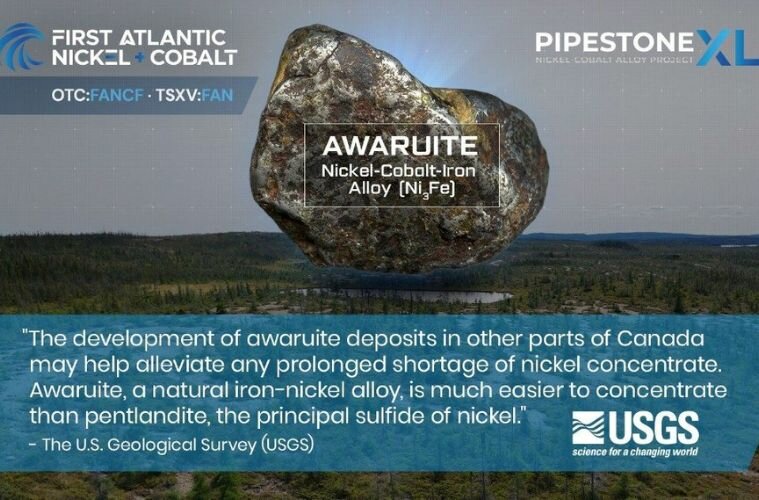
Pipestone XL's awaruite target skips smelting and HPAL processing, offering procurement teams a domestic nickel-cobalt alternative aligned with IRA content requirements.

Ameresco's Phase 1 manhole rehab in Mesquite, TX shows how cities are managing inflow and infiltration compliance risk as EPA enforcement on wastewater systems tightens heading into summer.

Tier 1 buyers are discovering that subcontracted compliance failures move up the liability chain faster than most procurement frameworks were designed to handle.

Myriad has sold Red Basin while keeping future project exposure. The deal adds cash for Copper Mountain as uranium demand gains more investor focus.

A New York FOIL lawsuit challenges wildlife data redactions in a nearly 2,000-acre solar project siting file, testing how far renewable energy agencies can shield environmental records.

OSHA's FOM is a public document that tells you exactly what a compliance officer does from the moment they arrive on site, and most EHS teams prepare for inspections without ever reading it.

REPS has raised $23.6M to scale road-based energy harvesting. The system converts vehicle movement into power for ports and logistics hubs.

USEFULL has launched its first senior living reuse program at The Glen. The model replaces disposable takeout boxes with tracked steel containers.

DartPoints acquired a 343,000-square-foot campus in Lexington, Kentucky, with an owned substation and a path to 70 MW, targeting AI, hyperscale, and neo-cloud demand.

The fifth annual Alaska Sustainable Energy Conference closed in Anchorage on May 21 with the clearest public accounting yet of where the Alaska LNG project actually stands.

Companies calibrating their compliance posture against federal enforcement trends are missing where exposure is actually accumulating in 2026, because state environmental and safety agencies are not following the federal lead.

Most facilities do not know their permits have drifted out of alignment with actual operations until an inspector arrives, and the penalties waiting at that point have increased significantly.

Waste is moving from disposal cost to business asset. Circular systems can turn plastics, sludge and organics into energy, materials and resilient supply chains.
Idaho's April trade mission to Japan and Micron Technology's accelerated Boise fab timeline are positioning the state inside the semiconductor and AI supply chain buildout reshaping U.S. industrial geography.

The regulatory framework for industrial radiography involves multiple federal and state agencies, dose limits that carry criminal exposure if violated, and compliance failures specific enough that inspectors arrive with a checklist most field crews have never read.

OSHA's enforcement priorities have shifted, inspection weighting has evolved, and heat illness citations are expanding without a finalized federal standard, leaving many EHS programs misaligned with how inspections are actually being conducted in 2026.

The numbers coming out of that program are not trending in a good direction, and the state's public dashboard is now one of the more detailed occupational disease tracking tools available anywhere in the country.

While administrative civil cases are resolving more leniently, criminal enforcement produced its highest defendant count since fiscal year 2016 and resulted in forfeiture exceeding $1 billion in illegal proceeds.