

UC San Diego engineers develop a passive evaporative cooling membrane promising more efficient and sustainable data center operations.

The Chesapeake Bay scored a C in 2025, down 5 points. Long-term trends show improvement, but climate extremes and equity gaps pose new challenges.

AI's rapid growth is driving energy demand—and climate risk. But smarter tech, efficient design, and global collaboration could make AI a key climate ally.

2025 marks a pivotal year for SAF as global demand spikes, HEFA feedstock strains grow, and mandates demand diversified, scalable fuel pathways.

Liquid metal-vitrimer composites offer a groundbreaking solution for e-waste reduction, creating recyclable, self-healing electronics with high conductivity and durability.

Despite the growing body of scientific evidence, the report reveals significant voids in our understanding.

Without coordinated efforts to scale renewable supply or enhance energy efficiency, the environmental cost of powering AI could continue to escalate
10X Engineered Materials demonstrates how AI offers a path toward more resilient, sustainable, and future-ready manufacturing.

A four‑class system for Paris compliance—from Target‑1.5°C to Exceedance‑2°C—simplifies complex climate data into clear, actionable policy metrics.

Groundwater depletion in the Colorado River Basin is accelerating, threatening municipal supply, agriculture, and energy infrastructure.

ML-powered climate forecasts drive resilient strategies to combat extreme weather, boost sustainable agriculture, and enhance disaster preparedness.

Songbirds now treat the Corn Belt like a major barrier. New research shows farmland forces flight changes once seen only over oceans.
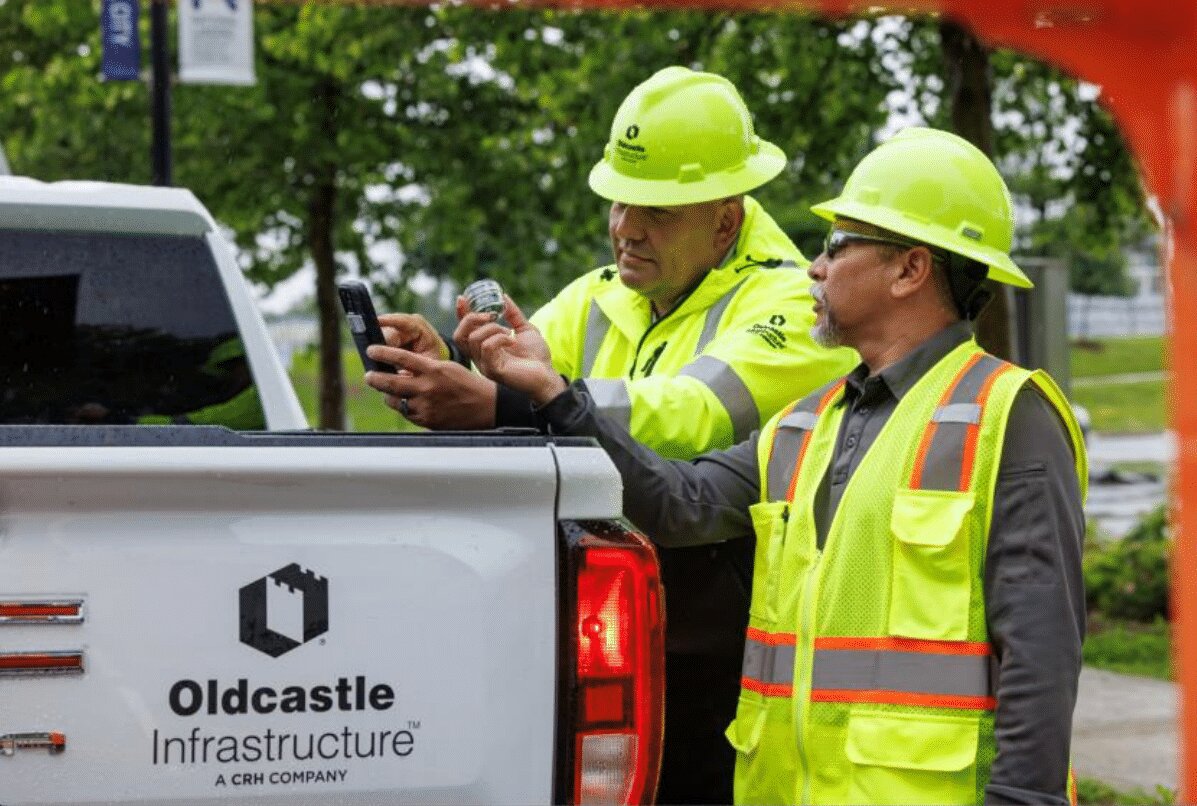
Water loss costs U.S. municipalities $8B a year. See how CivilSense™ uses AI to identify leaks and protect drinking water in communities like Bartow County, GA.

Scaling up carbon removal won’t cut its impact. A new study finds afforestation and ocean-based methods stay effective at larger scales.

A new study reveals how cross-laminated timber (CLT) can play a dual role in reducing greenhouse gas emissions while reshaping forest management—though not without trade-offs for natural forests.

Greenwashing threatens the integrity of sustainable finance. Key risks in the sustainable bond market, regulatory frameworks tackling misleading claims, and measures to ensure transparency and investor trust.
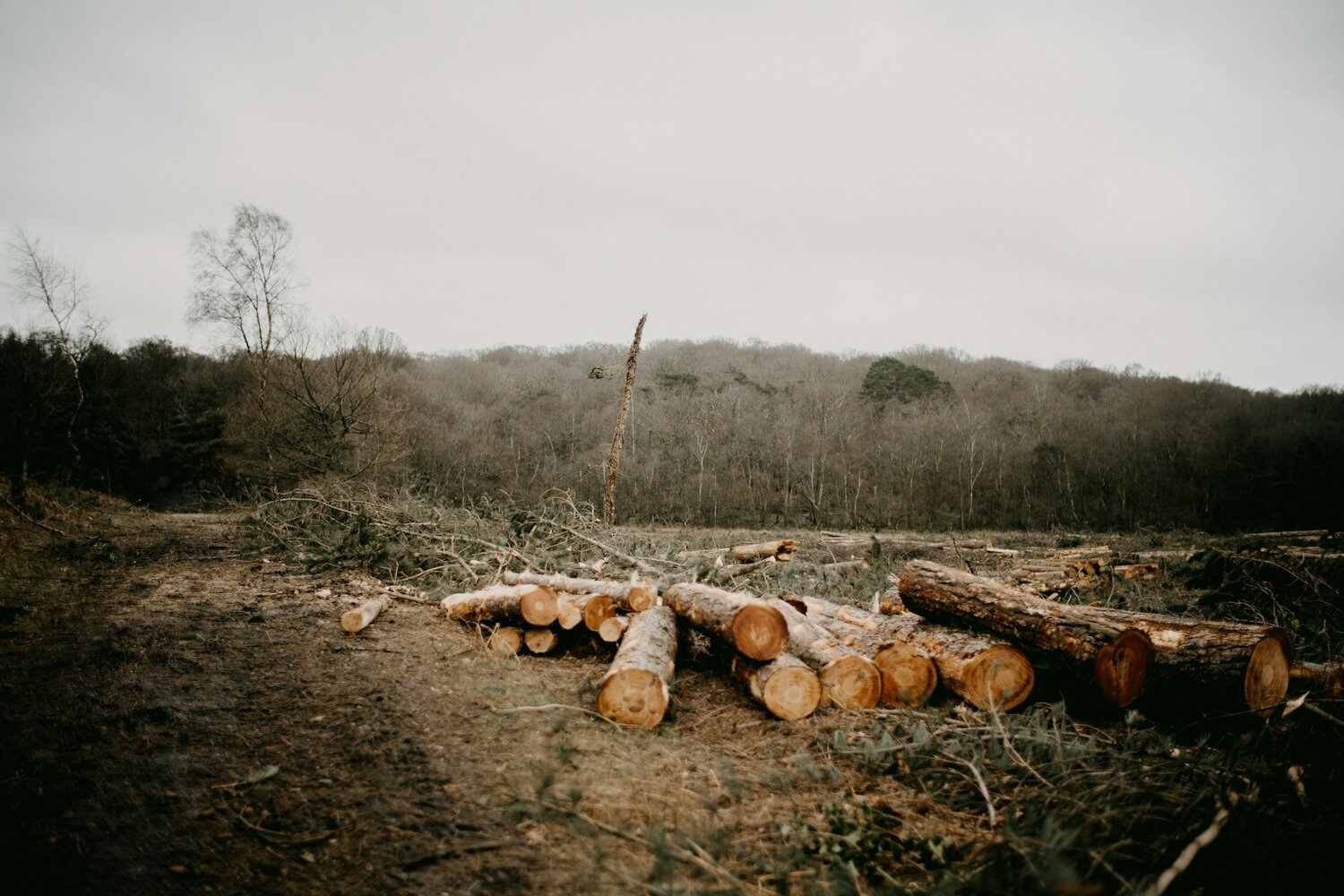
Deforestation is now a financial risk. New tools give investors sharper insight into forest-linked exposure and corporate accountability.
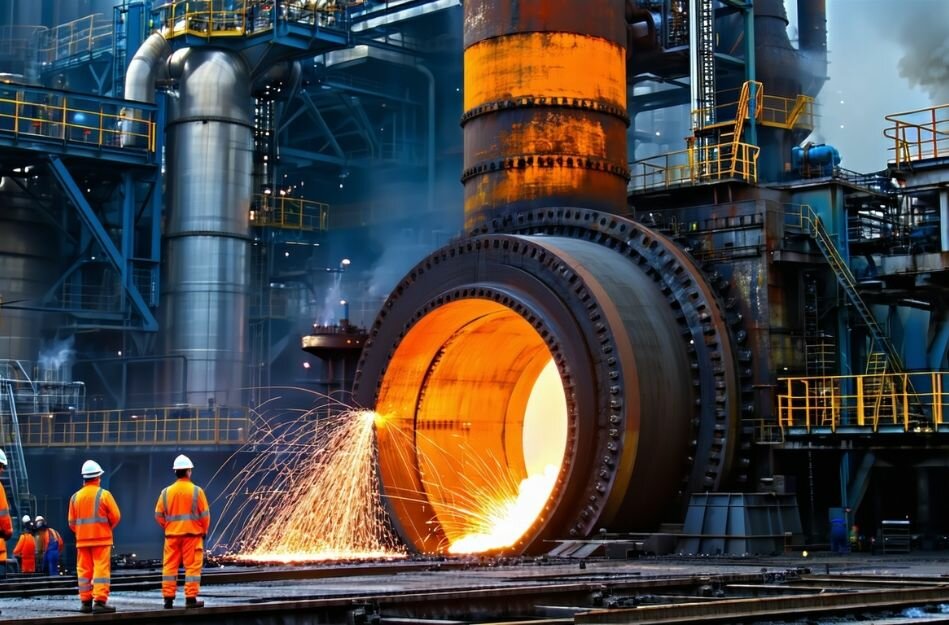
The steel industry’s decarbonization efforts are lagging, with persistent coal-based production threatening 2030 climate targets despite gains in electric arc furnace adoption.

Antibiotics from human use are polluting rivers worldwide, raising health risks and forcing industry to rethink water management.
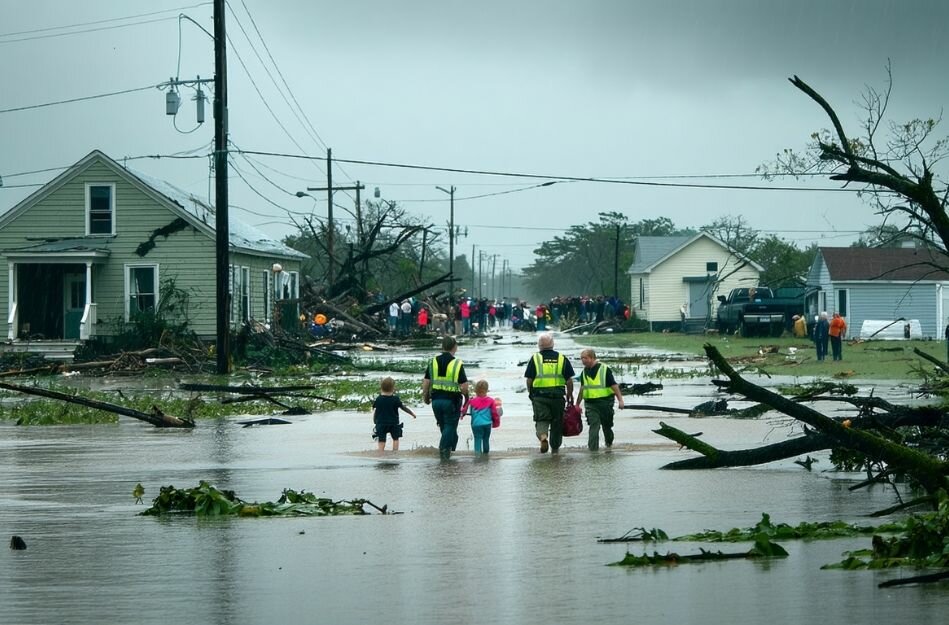
Climate extremes—including hurricanes, floods, and wildfires—are fueling mass displacement across the Americas. Governments must act swiftly to implement long-term solutions for resilience and recovery.