

An after-action report highlights Richmond’s infrastructure failures, pointing to urgent upgrades needed for a more resilient power and utility system.

Berry Global and Mars advance circular packaging with 100 percent recycled plastic jars, reducing virgin plastic use by over 1,300 metric tons annually and driving sustainability.

According to the ASGA, the U.S. currently has over 129,000 acres of solar sites maintained by 113,000 sheep across 30 states.

A deeper dive into USDA data and economic reports raises questions about the accuracy—and implications—of her claims.
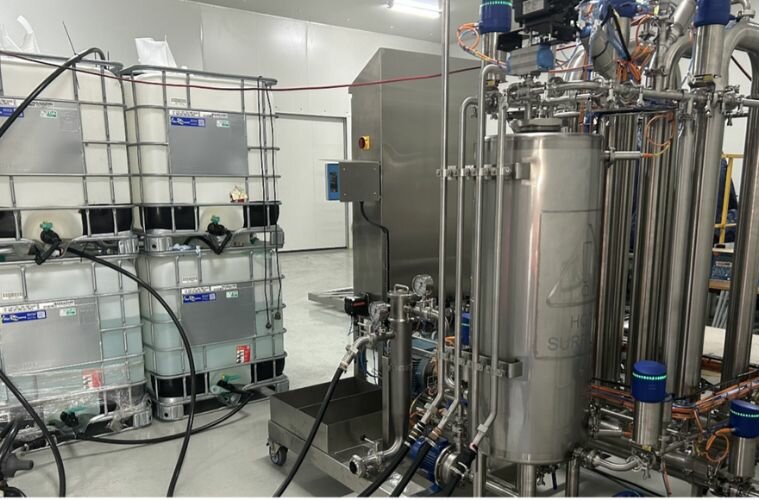
PFi and Rockwell Automation are revolutionizing wastewater treatment with a titanium membrane solution that boosts efficiency, reduces costs, and supports ESG goals.

Maryland’s latest bill refines zoning laws, expanding R&D while limiting plastic-based research that produces emissions.
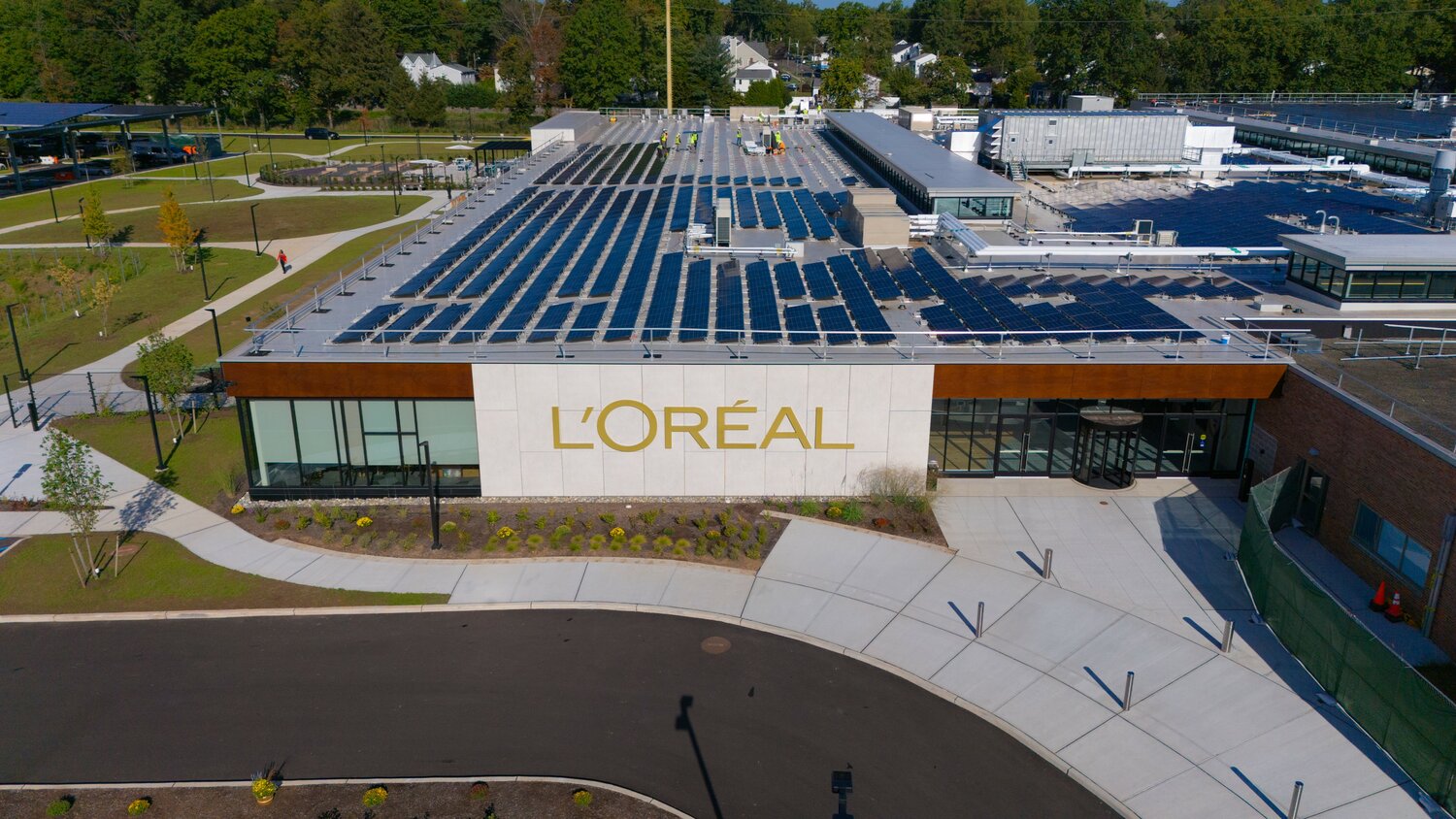
L’Oréal has launched a $160 million Research & Innovation Center in New Jersey, enhancing product development and sustainability efforts.
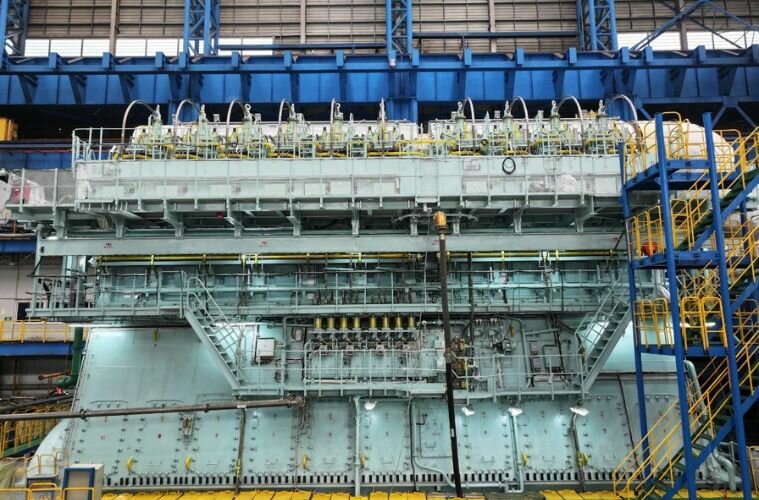
This achievement aligns with CSSC’s broader “Zhiling Deep Blue” strategy, which focuses on technological self-reliance and innovation.

This initiative sets a precedent for scaling data centers without compromising sustainability goals by leveraging behind-the-meter energy strategies, natural gas efficiency, and carbon capture technology.
AI-driven power demand, nuclear revival, hydrogen breakthroughs, and energy shifts—February 2025’s top 10 stories reveal the future of energy tech.

Banks face ESG data challenges as the ECB warns of fines for failing to address environmental and social risks, while the EBA reports struggles in risk assessment.

MCT now operates on solar power during the day, reducing carbon emissions while ICTSI invests $100M to expand the terminal’s capacity.

A new initiative combines technology investments and performance incentives to help Fonterra farmers reduce emissions and enhance sustainability.

In-depth insights into energy consumption, carbon emissions, and renewable energy usage across major blockchain networks.

Most businesses overlook ocean conservation in their sustainability plans. Strengthening ocean literacy is key to long-term corporate resilience.

As part of its commitment to sustainability, Hyundai Rotem is actively developing hydrogen-powered trains and fuel cell trams, aligning with global carbon neutrality goals.

As nations and industries reassess their cobalt dependency, this export ban could serve as a turning point in the global race for battery minerals and supply chain resilience.

Boasting 800-volt architecture, this all-electric model can gain 300km of range in just 10 minutes and travel up to 700km on a full charge.

Large corporations will have an additional year, until July 2028, to implement due diligence measures.

AHT will provide the hydrogen injection and carbon capture system, while DB ESG will oversee testing and evaluation of the technology on the Class 66 locomotive.