

Mexico's CFE declared grid emergencies three times in summer 2024 and reserve margins hit 3% in May of that year. For manufacturers who relocated to Mexico, summer reliability risk was not in the original location analysis.

El Nino drought cut hydropower output across South America in 2024-2025. For procurement and finance teams with Latin American operations, that is a seasonal power cost and curtailment risk standard contracts do not address.

Tornado damage put Wynne’s wastewater system under pressure. Its rebuild highlights how recovery can support stronger, lower-maintenance infrastructure.

Two Adirondack Park towns passed battery storage moratoriums in March, bringing New York's total to 98. More than 1 GW of planned capacity is delayed as state fire codes and permitting legislation advance.

ABTC’s Nevada recycling facility posted record revenue and positive gross margin. The quarter shows early traction, though expansion risks remain.

FERC approved PJM's updated transmission cost assignments on May 15, covering 358 new reliability projects effective June 14, 2026, with a 30-day compliance filing required on cost allocation methodology.

Fusion is moving from lab work to infrastructure planning. A new UK consortium aims to turn momentum into a bankable commercial power project.
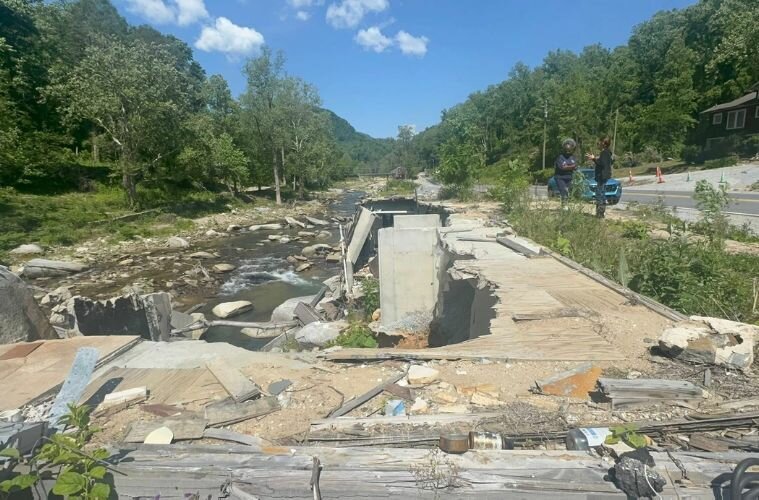
FEMA approved $1.2 billion across seven southeastern states for COVID-19 pandemic reimbursements and disaster recovery work tied to Hurricane Helene.
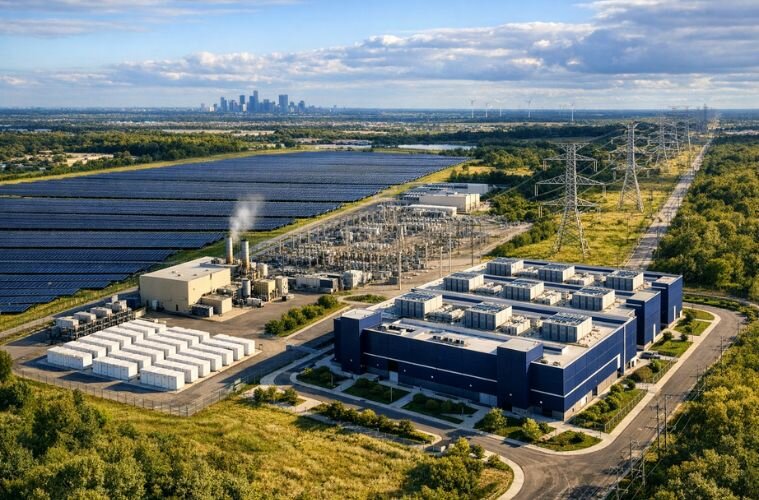
The leading edge of corporate energy procurement in 2026 is not a sustainability conversation. It is an infrastructure conversation.

A convergence of policy changes, carbon pricing, corporate decarbonization pressure, and rapid growth in corporate PPAs is reshaping how companies operating in Japan evaluate electricity procurement.

A Utah-Japan pilot will test tungsten recovery from old mine tailings. The project could support cleaner critical mineral supply chains.

Duke Energy applied for DOE loans on May 11 to lower financing costs on its $103 billion five-year capital plan serving six states with fast-growing energy demand.

A single number often drives multimillion-dollar infrastructure decisions—cost per watt, cost per port, cost per megawatt. But across solar, EV charging, and data centers, that number is frequently built on inconsistent assumptions, making comparisons look precise when they are not.

Policy divergence between the U.S., Europe, and Asia Pacific is forcing multinationals to manage energy procurement as a collection of regional decisions rather than a coherent global strategy.

Durham's Society 5.0 model shows how integrated infrastructure intelligence is becoming a material factor in corporate investment and workforce decisions in 2026.

The Hormuz closure did not create new risk in corporate energy portfolios. It made visible the risk that was already priced at zero.

A Rice University PNAS study links El Nino and Indian Ocean Dipole climate patterns to armed conflict onset in drought-exposed regions, with implications for supply chain and operational risk planning.

Interconnection delays are creating PPA delivery shortfalls that finance teams did not model. The cost of sourcing replacement power is showing up as unexplained energy budget variance in 2026.

Procurement teams that accepted broad pass-through language in their energy agreements because it looked like standard contract boilerplate are now receiving invoices that reflect tariff costs they did not model, did not cap, and may have limited ability to dispute.

Radisson is taking net zero from target to test case. Its latest report shows how hotel-level changes are shaping emissions, workforce and supply chain goals.