

Rivian is linking its EVs to utility managed-charging programs. The ChargeScape deal could help drivers cut costs while giving utilities more flexible load.

Trade tensions, AI infrastructure growth, and resource constraints are forcing executives to rethink assumptions about supply chains and competitive advantage.

EHS, facilities, procurement, and sustainability each left something unresolved in Q2. Here is what each function needs to close before the second half starts.

Capital stalled, compliance maps got harder, and supply chain pressure formalized. Executives who planned for Q2 resolution need a different framework going into the second half.
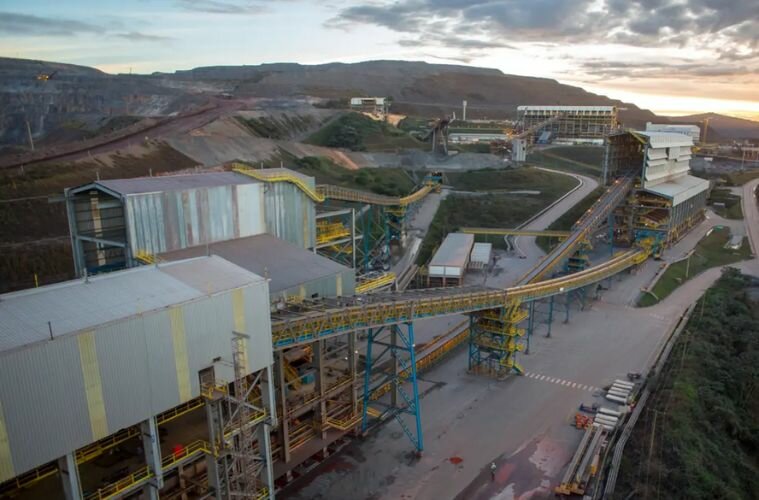
Vale reports a 25% productivity gain at its AI-integrated Conceição 2 plant in Brazil, with a 40% increase in direct reduction pellet feed output and a 26% drop in iron lost to waste.
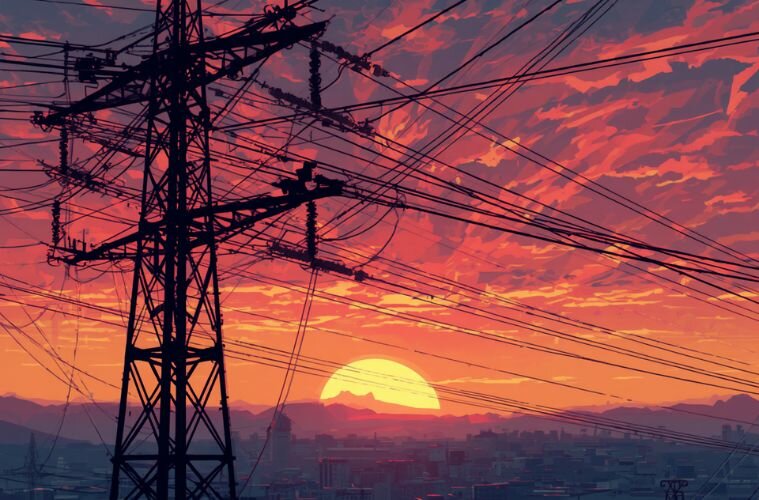
Power is no longer just an operating cost. In 2026, electricity availability is shaping investment decisions, facility expansion, and corporate growth.

Climate litigation, conflicting regulations, and unresolved ownership rules are creating new obstacles for voluntary carbon markets just as corporate demand is expected to grow.

DOE selected TerraSpark Energy Campus in Grant County, West Virginia for up to $18.5 million to advance engineering and permitting for a 1.6 GW coal-with-carbon-capture project.

Bio-PDO is moving from green claim to measured carbon data. The latest LCA gives buyers clearer evidence on renewable inputs.
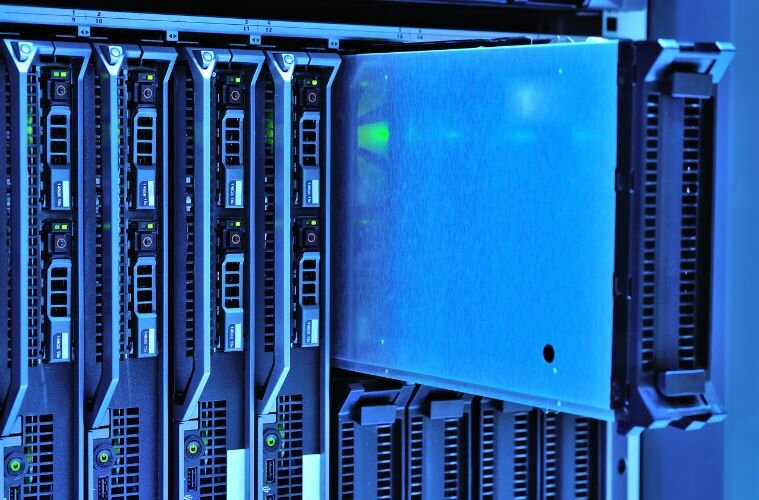
The Justice Department seeks dismissal of an NAACP Clean Air Act lawsuit against xAI, raising broader questions about enforcement authority and AI infrastructure.

Climate policy uncertainty is affecting firm-level investment, employment, and R&D as a material financial risk. Companies managing it best are treating it as a capital strategy problem.
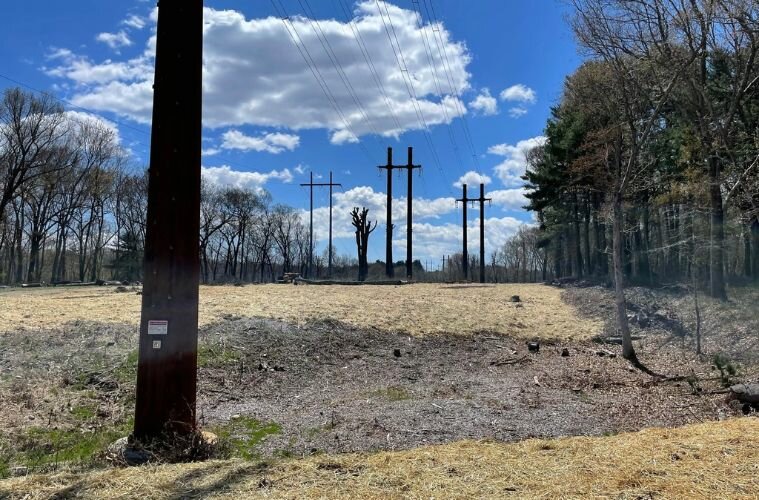
A Rhode Island bill would reopen questions about utility-owned generation, storage, reliability, and who should build the power system needed for demand growth.

Only 37% of corporate net zero targets cover Scope 3. Supply chain emissions average 11 times a company's own footprint. The people deciding whether climate goals are met are upstream.

Companies are now accountable for emissions and environmental risk in supplier facilities they do not own. Most sustainability programs were not built for that scope.

Two Arizona rate cases approved increases of up to 300% for small rural water systems with aging infrastructure, reflecting a national pattern Pew and AWWA research puts at $2.1 trillion in need by 2050.

Supplier audits confirm today's compliance. They were not built to assess whether a supplier's operating environment is becoming more fragile. That gap is now a strategic liability.

Twenty-one percent of supply chain leaders still operate without real-time visibility into disruptions affecting their suppliers

AI growth is reshaping data center design. A new framework gives operators a clearer path for managing power, cooling and uptime.

Companies that map their full supply chain typically find more than they expected: hidden concentration, environmental exposure several tiers deep, and risk that travels farther than anyone modeled.

Fines for non-compliant buildings are no longer a future risk — they're accruing now. Boston's BERDO 2.0 charges $1,000 per day, New York's Local Law 97 is penalizing excess emissions per ton, and D.C.'s first compliance cycle is closing. For most building owners, the path forward isn't replacement — it's connecting what's already there.