
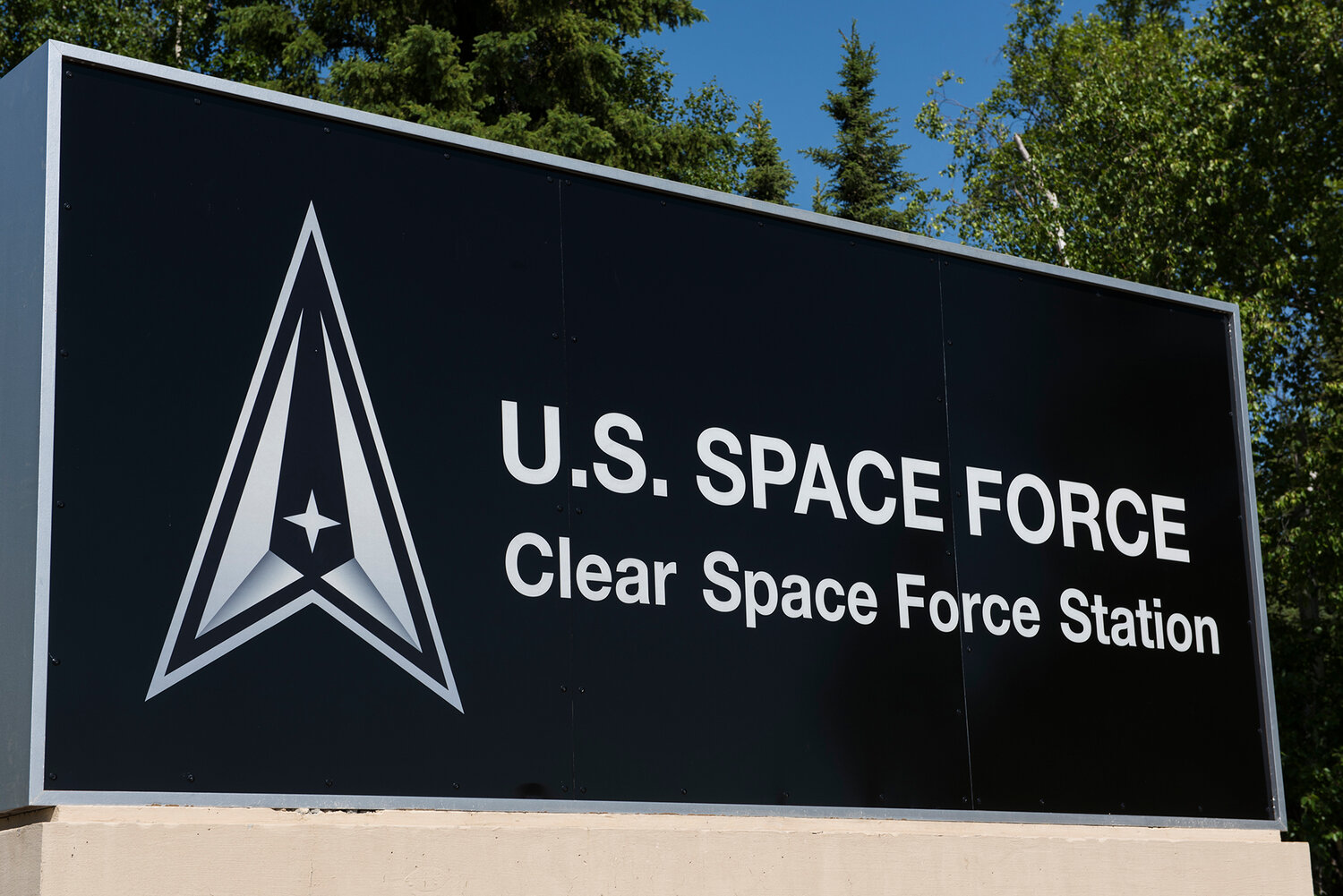
AFRL’s $18M contract will test large-capacity energy storage for Air Force missions. The goal is stronger power resilience in tough conditions.

Ohio SB 103 is now law, letting natural gas utilities offer alternative rate plans to large industrial users consuming over 1.2 million Mcf annually.

Scope 3 emissions in supplier networks are outpacing facility-level efficiency gains. New data and GHG Protocol revisions are raising the stakes for sustainability leaders in 2026.

Bridgestone and Penske tested lower-emission fleet strategies over 500,000 miles. Results show tire, fuel and routing changes can deliver near-term cuts.

The voluntary carbon market has a credibility problem that is no longer contained to specialized environmental circles.

A 40,000-acre hyperscale data center and power generation campus cleared its first regulatory hurdle in northern Utah this week.

Building energy models were calibrated against climate conditions that no longer exist. Facilities leaders need to understand what that means for efficiency projections and equipment design.

Gateway Fleets’ 100-truck order shows a more practical path to EV adoption. The model bundles vehicles, charging and support for delivery operators.

Organizations that haven't conducted a systematic PFAS exposure assessment are making that decision by default, and the cost of finding out later is rising.
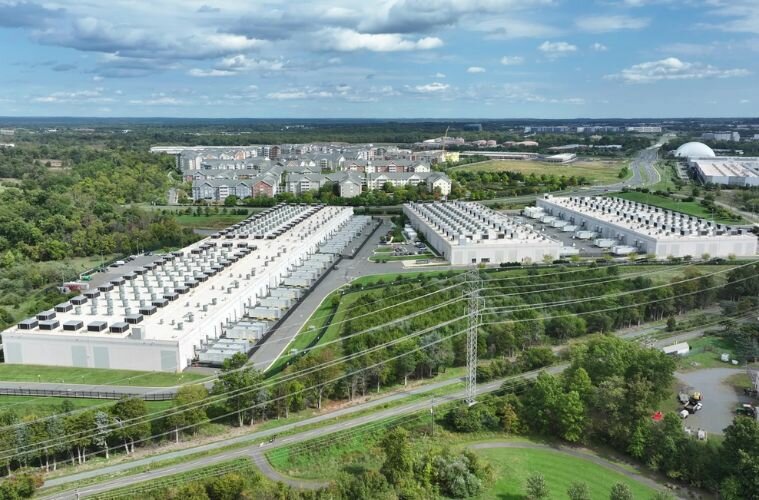
The arithmetic of corporate energy efficiency has stopped working for a growing number of technology-intensive companies.

School districts are expanding solar projects beyond pilot phases. By pairing generation with efficiency upgrades, they aim to cut costs and emissions.

Corporate budgets are forcing a choice between efficiency upgrades and resilience investments. What operations leaders need to understand before Q3 capital planning.

Efficiency upgrades in commercial buildings are delivering diminishing returns. What facility managers need to know about the economics and what to prioritize next.

Verdantix research shows corporate off-site renewable spend growing 34% through 2030. The gap between signing PPAs and managing them is where financial exposure quietly accumulates.

AI infrastructure build-out is running into a constraint capital can't solve: the grid can't deliver megawatts as fast as investment wants to move.

Most organizations have an energy plan. Fewer have a strategy built on current infrastructure realities. The difference will become measurable and expensive over the next 18 months.
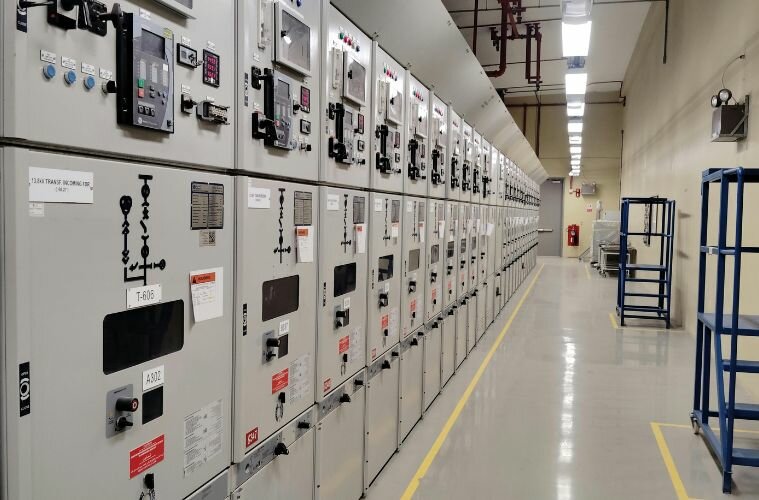
NERC flagged more regions at elevated grid risk than any prior assessment. Demand response enrollment windows are closing. Backup systems need testing before the season starts.

Restrooms are an overlooked sustainability opportunity. Smart dispensing, responsible materials, data-driven cleaning, and inclusive hygiene help reduce waste, cut costs, strengthen reputation, and support employee retention.

The GHG Protocol's Land Sector and Removals Standard takes effect January 2027. Its carbon opportunity cost methodology could significantly alter how biomass emissions are reported.

Location decisions that once turned on labor and logistics now carry an energy access dimension most companies aren't modeling. The organizations finding out mid-project are paying for it.