

San Francisco is beginning the process of consolidating planning and building departments to reduce permitting delays that have slowed housing and business development.

A new alliance aims to unify methane monitoring from orphaned wells to active sites. The goal: consistent, auditable data across environmental and industry use.

A compact storage system from Birmingham researchers could help commercial buildings cut emissions by converting surplus electricity into flexible thermal energy.

Dubuque is piloting organic land care in Jackson and Washington Parks. The project shifts focus to soil health, aiming to cut chemicals and boost resilience.

Research highlights how indoor air risks tied to human activity often bypass formal regulation, leaving organizations to manage exposure internally.
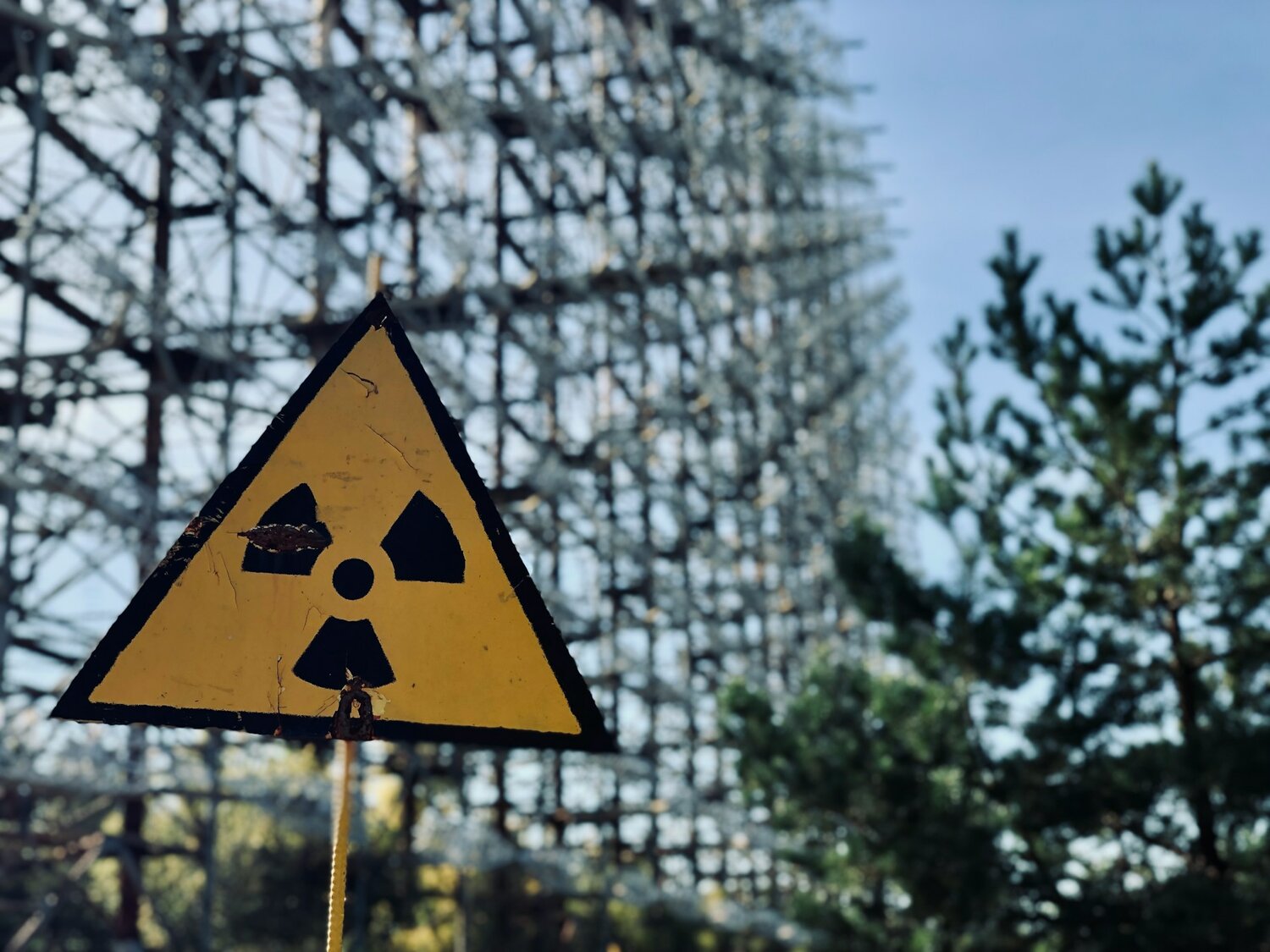
Security guards at Plant Vogtle have filed for a union decert vote. The outcome could reshape how labor representation works at high-security facilities.

AVAIO is building a $6B data hub outside Little Rock with plans to reach 1GW capacity. The site merges power, land, and compute to support AI infrastructure growth.

As storms intensify, cities are shifting from pipes to permeable design. Sponge cities absorb rain where it falls, easing floods and boosting resilience.

Facilities and energy teams are encountering operational constraints earlier than expected in 2026. Why timing, not ambition, is exposing strategic gaps.

Shifting focus from long-term targets to immediate climate impacts, highlighting infrastructure strain, energy costs, and public health risks.

Consumers Energy has energized its biggest solar site yet in Muskegon, adding 250 MW of capacity as part of a broader shift to utility-scale renewables.

Plastics shed micro- and nanoplastics just through water exposure. A new study highlights an overlooked pollution source hiding in plain sight.

Mozambique introduces a tailored FSC standard to improve forest management and certification. The move targets global buyers and strengthens local oversight.
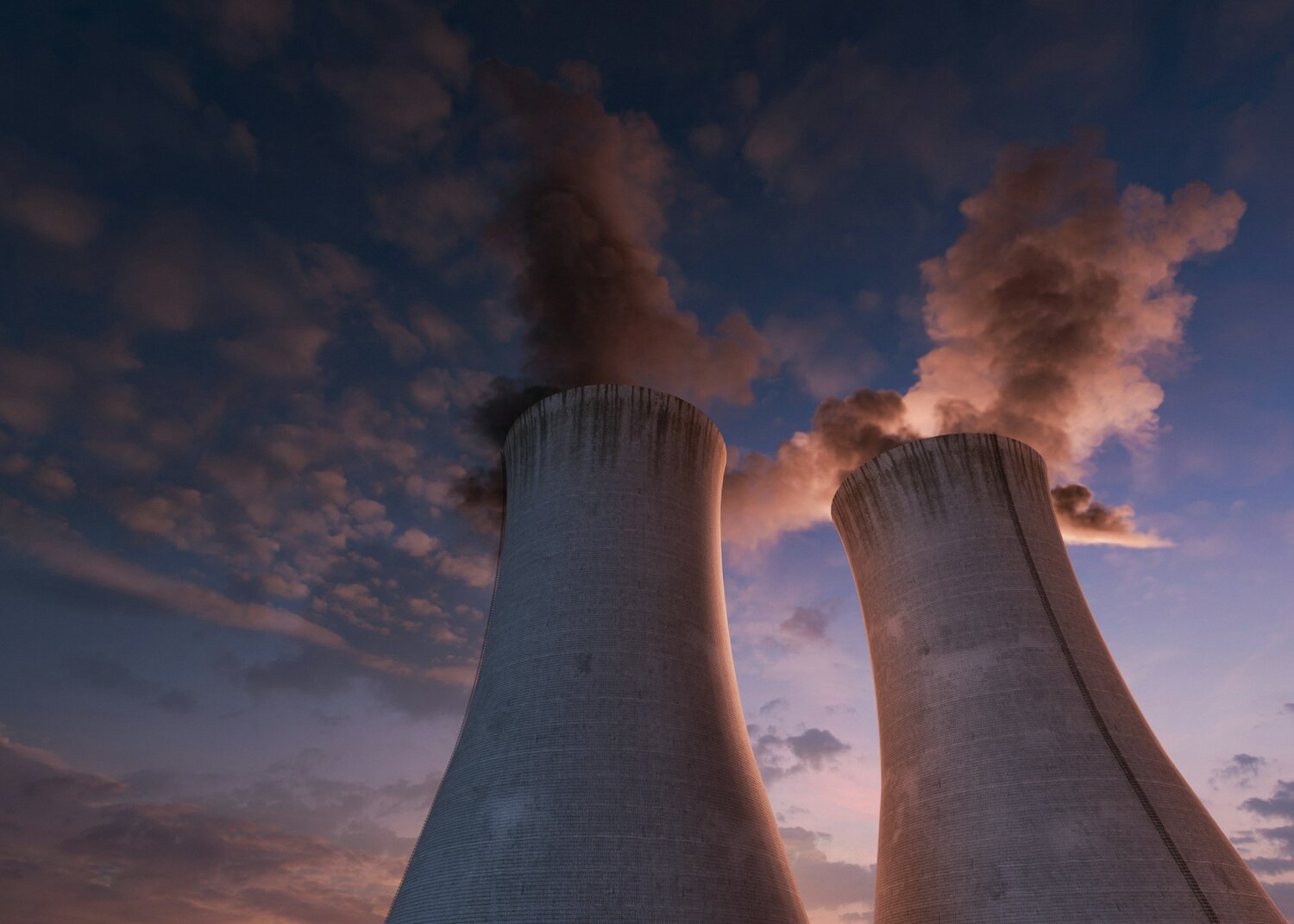
Denison’s Phoenix project is on track for a 2026 construction start. With major planning complete, it could be Canada’s next uranium mine by 2028.

Massachusetts’ PFAS legislation is advancing quickly, signaling broader changes in environmental oversight, infrastructure planning, and long-term accountability.

In Serbia, infrastructure is being redefined by ESG. From metro lines to low-carbon concrete, projects now aim to deliver both climate and community impact.

The CDC will hold a public January 28, 2026 meeting of its radiation worker health subcommittee to review dose reconstruction procedures and related documents.

United Rentals scales an AI-powered maintenance platform with AWS to speed repairs, improve fleet utilization, and support safer equipment servicing.

UNCW has fully eliminated plastic from residential dining takeout. A new stainless steel system is cutting waste, saving costs, and boosting student engagement.

Green-certified buildings aren’t living up to the promise. As performance gaps widen, investors are demanding proof of real energy and cost savings.