

EPA awarded $267M in Brownfields Grants in May 2025, advancing redevelopment and economic growth as stakeholders prepare for the August training conference.

Europe’s chip sector is going green. A new $63.8M initiative targets waste, emissions and supply chain risks across the entire semiconductor lifecycle.

Glass makers push back after losing federal climate funds. The move sparks wider debate on equity and priorities in U.S. industrial policy.

U.S. farmers are pairing solar panels with crops to stabilize income. Agrivoltaics keeps land productive while generating clean energy.

The Chesapeake Bay scored a C in 2025, down 5 points. Long-term trends show improvement, but climate extremes and equity gaps pose new challenges.

AI's rapid growth is driving energy demand—and climate risk. But smarter tech, efficient design, and global collaboration could make AI a key climate ally.

Corporate risks are rising fast. Companies are turning to specialized partners to navigate complex ESG, supply chain, and compliance demands.

2025 marks a pivotal year for SAF as global demand spikes, HEFA feedstock strains grow, and mandates demand diversified, scalable fuel pathways.

David Fotouhi’s Senate-confirmed role as EPA Deputy Administrator is under scrutiny due to past industry ties, raising questions about future environmental regulation.

Hydrogen motorsport advances as Extreme H wraps final testing. The Pioneer 25 race car showcases fuel cell tech in high-performance racing.

Dover Chemical’s latest sustainability report shows strong product innovation and waste reduction but reveals setbacks in emissions and workplace safety.

Rhode Island Senate approves landmark textile waste recycling bill to increase public awareness and enforce industry reporting.

Hydrogen is rolling into California’s freight rail network. A new project will retrofit diesel locomotives with fuel cells to cut emissions.

Mixed-use project in Washington state brings Passive House design, Net Zero performance, and community-focused amenities to the real estate development sector.
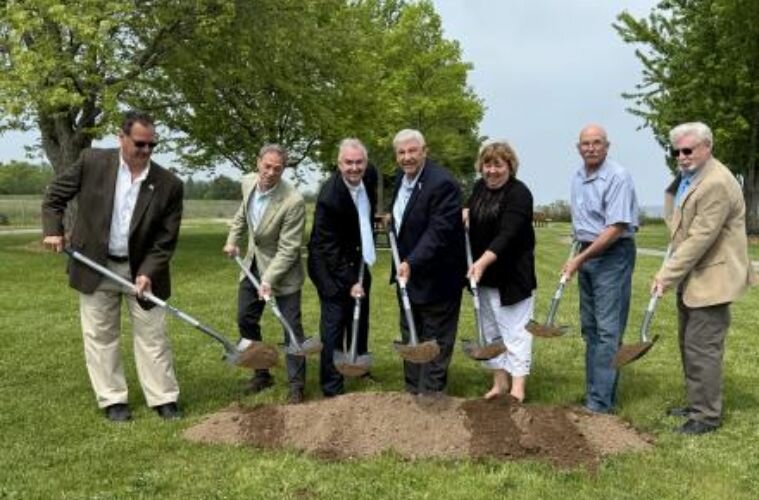
New York invests $13M to protect Lake Ontario, enhance flood resilience, and modernize public sanitation.

Beginning January 1, 2026, Illinois will prohibit the sale of cookware, cosmetics, and more with intentionally added PFAS, under expanded amendments to the PFAS Reduction Act.

Liquid metal-vitrimer composites offer a groundbreaking solution for e-waste reduction, creating recyclable, self-healing electronics with high conductivity and durability.

Brooklyn Navy Yard is opening 30 new spots for EV charging. The move supports NYC’s green goals and growing demand for clean transport.

Estée Lauder’s 2025 Supplier Summit showcased innovation, honored top partners, and reinforced its strategic vision for growth, speed, and sustainability.

A U.S. appeals court ruled that Iowa counties cannot enforce local safety ordinances on a federally regulated carbon pipeline. The case could shape how local and federal authorities intersect in carbon capture infrastructure.