

A new Daphnia-based system slashes wastewater treatment emissions by 99.8%. The nature-based tech also removes micropollutants without added chemicals.

Noon Energy's 100-hour battery hits a key milestone for clean power. The system tackles renewable gaps and rising energy loads from data centers and AI.

Supply pressure and permitting constraints are driving renewed interest in wastewater and by-product streams as supplemental sources of recoverable materials.

A newly introduced Hawaii bill would tie insurance licensure to climate risk alignment, expanding regulatory oversight into underwriting and investment practices.

A new UC Riverside facility converts ag and forest waste into dissolving pulp using cleaner chemistry. The CELF process cuts energy use and toxic byproducts.

New York has begun construction on a $1.7 billion Wadsworth Center laboratory, consolidating public health testing infrastructure to strengthen long-term preparedness and resilience.

Pacifico Energy’s GW Ranch project secured a 7.65 GW air permit in Texas, highlighting how private-grid power campuses are reshaping energy supply for hyperscale AI data centers.

Logistics reliability is emerging as a board-level risk as supply chains face physical limits, delivery failures, and growing exposure across operations, finance, and governance.

Nanoplastics don't just float—they deliver toxic tire chemicals like 6PPD into fish tissues. The result? Greater damage to eyes, vision, and aquatic ecosystems.

Sappi’s CDP Forests A score highlights how credible sustainability data is increasingly used to support procurement, investment, and regulatory decisions.

Energy-driven cost exposure is increasingly dispersed across supplier contracts, creating governance gaps between procurement, finance, and operations.

What begins as supplier sustainability reporting is increasingly becoming contractually binding, with implications for procurement risk and supplier governance.
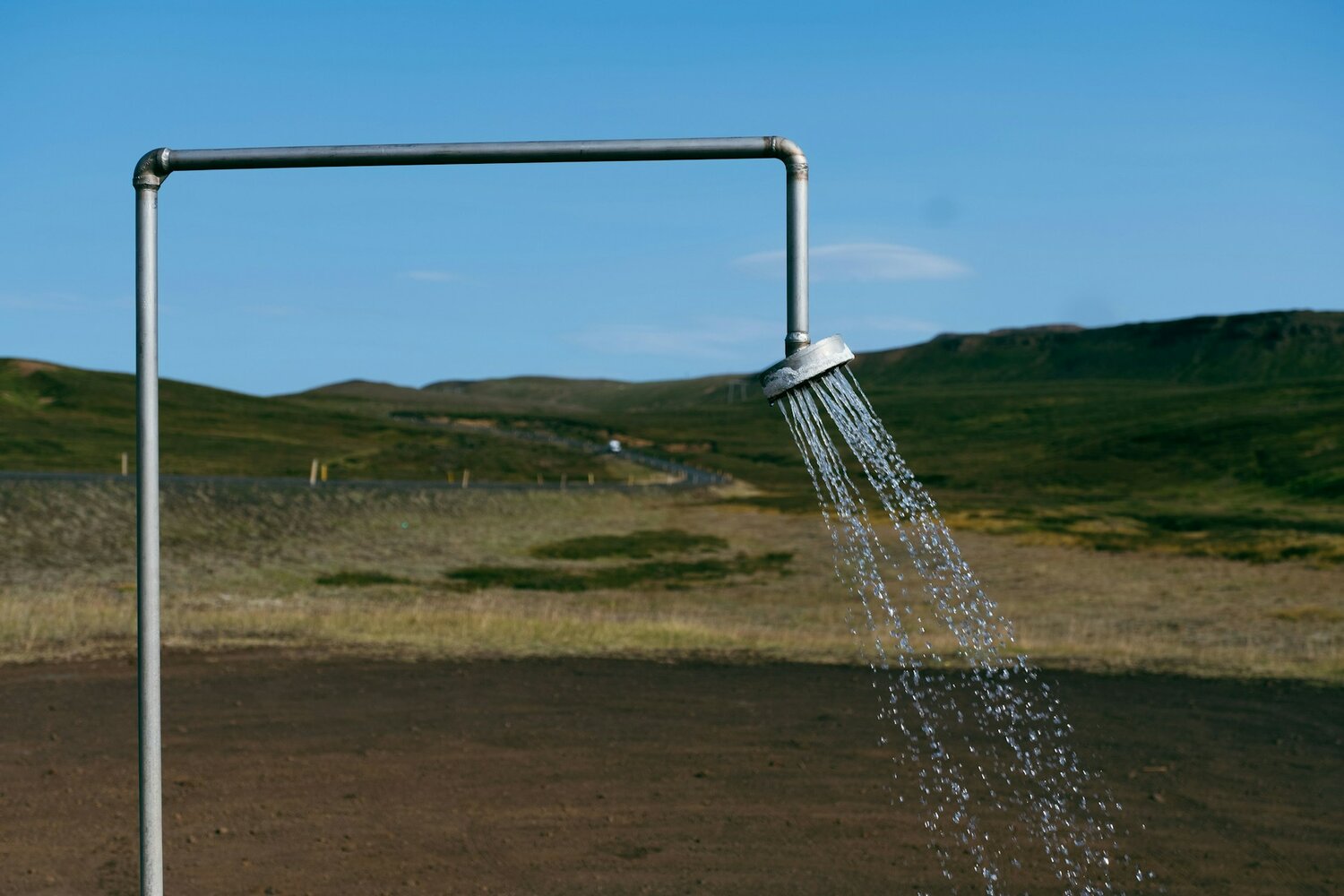
Water is now a strategic risk, not just a utility. A new index from Ecolab and CDP offers companies a way to measure and manage water use with real benchmarks.

A $2.3B Defense Logistics Agency contract underscores how chemical procurement is increasingly shaped by regulatory exposure, forecasting risk, and supply chain resilience.

Plastic pallets are seeing wider adoption as logistics teams prioritize durability, hygiene, and automation compatibility amid tightening supply chain conditions.

Energy volatility is shifting from energy contracts into supplier agreements, creating indirect cost exposure procurement teams struggle to govern.

Scope 3 emissions requirements are quietly shifting supplier leverage—affecting pricing, contracts, and negotiation risk before procurement decisions are made.

Pepper Construction turned a vacant 1912 factory into a net-zero HQ. The project proves deep energy retrofits can work—even in aging industrial buildings.

American Resources’ EMCO has begun receiving 2026 shipments of end-of-life lithium-ion batteries, supporting domestic preprocessing and refining of critical battery materials.

In early 2026, procurement risk is increasingly shaped by supplier accountability, data demands, and contractual exposure—forcing a shift in how sourcing decisions are evaluated.