

Companies are now accountable for emissions and environmental risk in supplier facilities they do not own. Most sustainability programs were not built for that scope.

Climate solutions remain far smaller than the problem they aim to solve. Brent Constantz argues that only gigaton-scale carbon removal and storage efforts can credibly restore the climate.

TerraCycle’s NLR deal adds regulated waste capacity. The move gives business customers broader recycling and compliance support.

Two Arizona rate cases approved increases of up to 300% for small rural water systems with aging infrastructure, reflecting a national pattern Pew and AWWA research puts at $2.1 trillion in need by 2050.
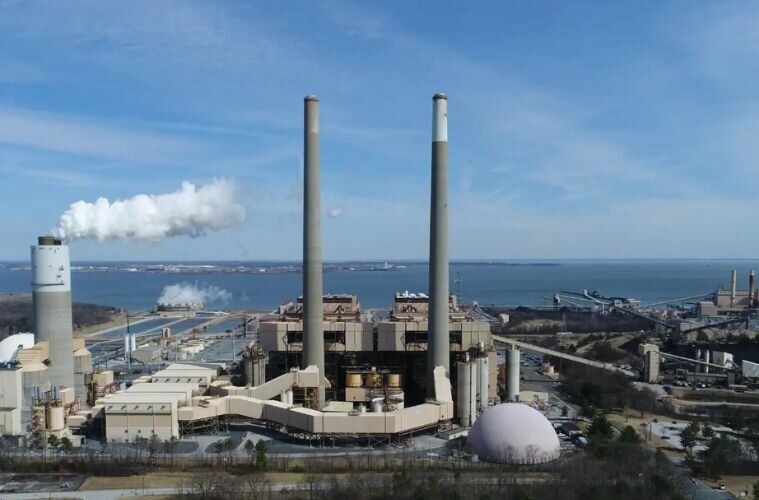
PJM and Talen Energy have filed at FERC to extend the Brandon Shores and H.A. Wagner reliability-must-run agreement to May 2031, citing transmission delays driven largely by data center load growth.

Supplier audits confirm today's compliance. They were not built to assess whether a supplier's operating environment is becoming more fragile. That gap is now a strategic liability.

Twenty-one percent of supply chain leaders still operate without real-time visibility into disruptions affecting their suppliers

Connecticut DEEP opened two urban and community forestry grant programs totaling $1.23 million, with August 2026 application deadlines and a note that future federal funding is not expected soon.

Companies that map their full supply chain typically find more than they expected: hidden concentration, environmental exposure several tiers deep, and risk that travels farther than anyone modeled.

Consumer Reports detected no PFAS above its threshold in 18 baby wipe brands. No federal standard requires manufacturers to test or disclose PFAS content in personal care products.

The data is better than it has ever been. It is also revealing something uncomfortable: visibility and control are not the same thing.

Pennsylvania has addressed less than 2% of its documented inventory of orphaned and abandoned wells, each one a potential source of methane emissions, groundwater contamination, and safety risk.

A federal class action filed May 28 against EMR Advanced Recycling in Camden, NJ cites more than a dozen fires since 2020, repeated NJDEP violations, and displacement of over 100 families.

Organizations that can demonstrate command over their value chain emissions are differentiating themselves in procurement decisions and investor conversations in ways that organizations relying on estimates cannot match.

Switch Bioworks is testing microbial fertilizer in Midwest corn fields. The trials will show whether engineered microbes can support nitrogen delivery at scale.

Chloride ions from seawater are drawing new battery research attention. Early solid-state work could support future grid storage beyond lithium.
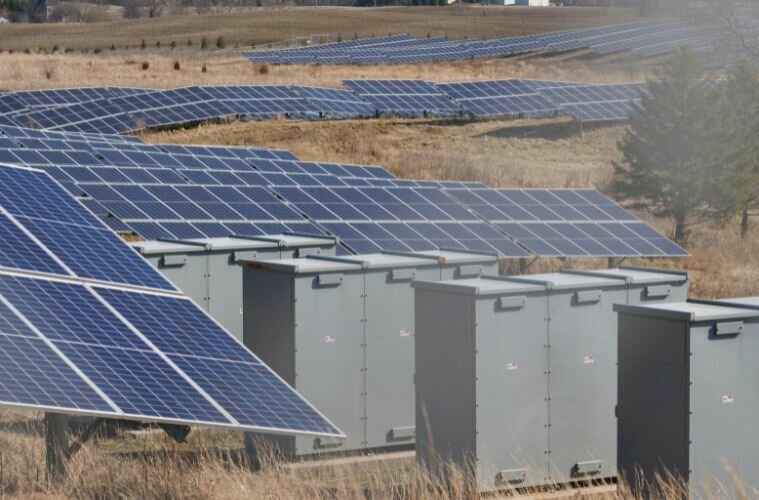
States that voted for President Trump in 2024 accounted for 74% of all solar capacity installed during the quarter, with TX, FL, OH, IN, MI, AZ, and MS ranking among the top ten states for new additions
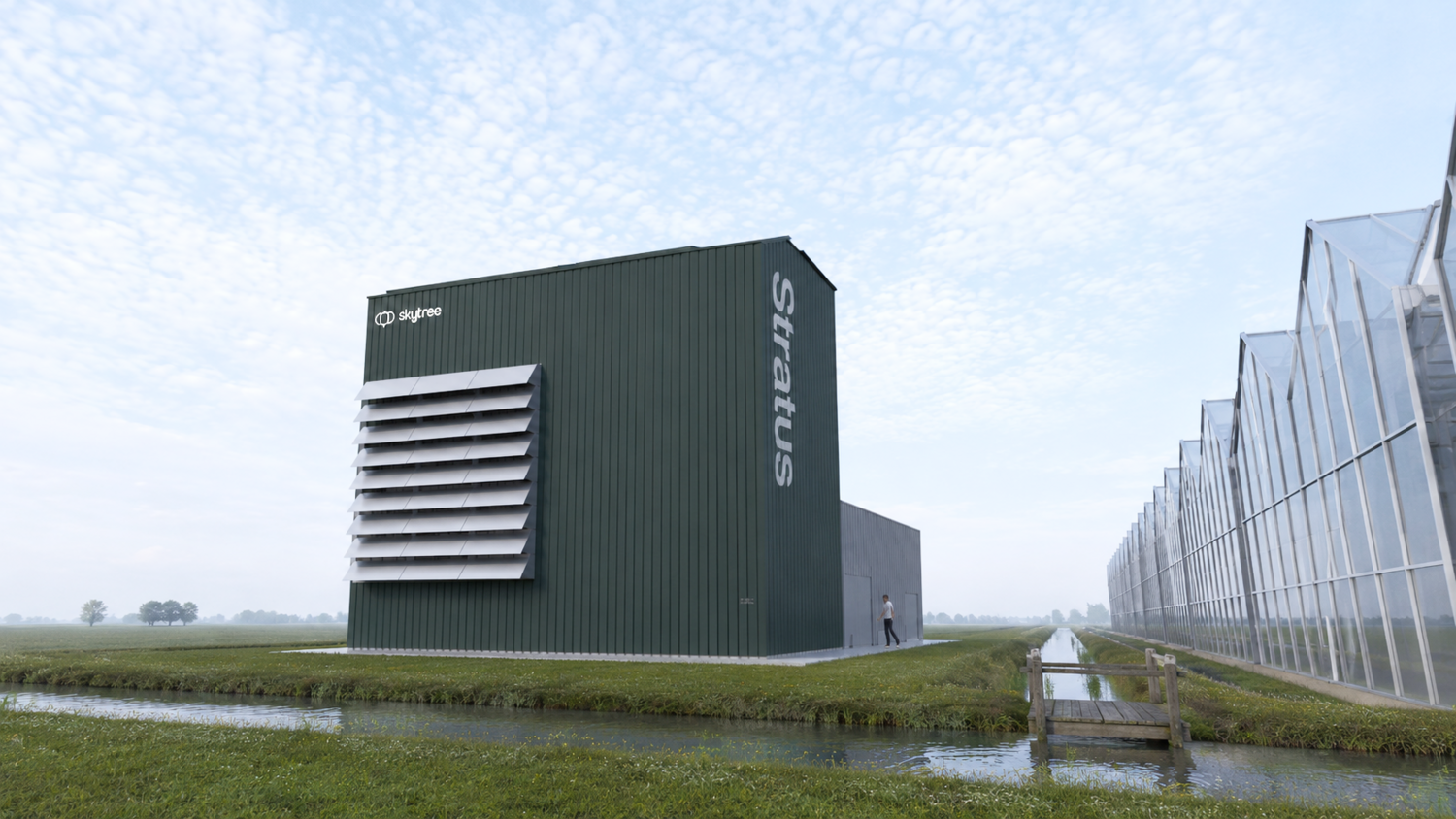
Skytree and Lingezegen Energy are bringing direct air capture into Dutch greenhouses. The project could make fossil-free CO₂ a practical crop input.

Colorado River storage is shrinking. Businesses face tighter water planning, higher supply risks and fewer buffers against dry years.
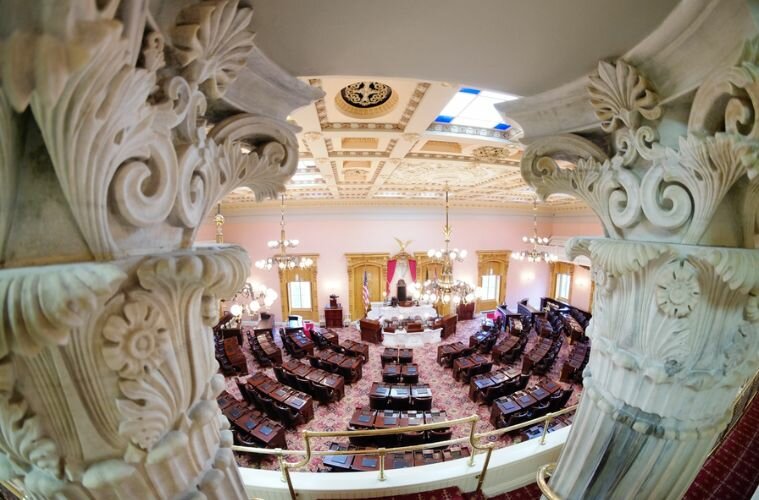
Ohio's House passed H.C.R. No. 35 63-32 on June 9, urging Congress to reform federal energy permitting and citing a 2,000-gigawatt interconnection backlog and NEPA timelines near four and a half years.