

Operations leaders face tighter tradeoffs, higher risk, and less flexibility as margin disappears.

Facilities teams are being pushed to meet modern performance demands with infrastructure designed for a different era.

Utah’s SB 231 shows how states are using tax policy to manage large electricity loads as infrastructure strain intensifies.

Building upgrades are moving faster than grid and water infrastructure can expand—creating a growing capital risk few models fully capture.
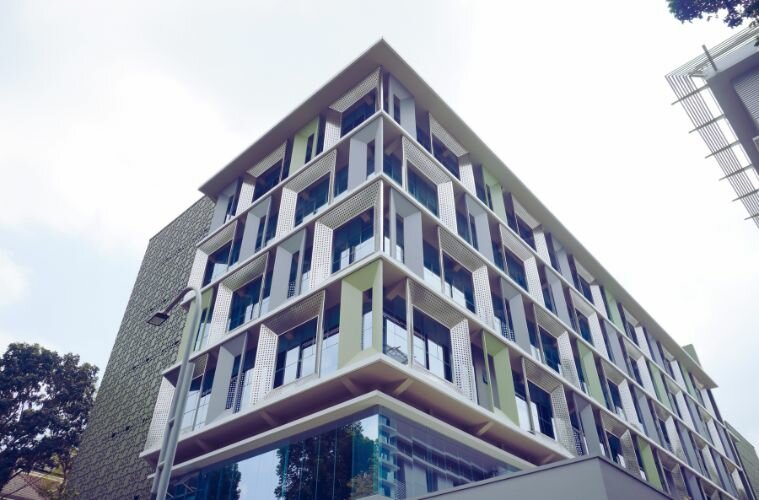
As buildings electrify and demand shifts, facilities teams are encountering infrastructure limits that were never designed to absorb today’s loads.

RICS data shows planning delays, labor shortages, and cost pressures reshaping how—and how fast—green building projects can move forward.

Mainland China, India, and Canada emerged as the top three markets for LEED certification outside the United States in 2025.

TeraWulf’s Kentucky and Maryland acquisitions add 1.5 GW of capacity, reflecting how power availability and grid integration are reshaping data infrastructure development.

A new philanthropic commitment to the Nuclear Scaling Initiative highlights a shift in U.S. nuclear strategy—from one-off projects to repeatable, standardized builds designed to meet rising electricity demand.

Five offshore wind projects along the U.S. East Coast can resume construction after federal courts declined to uphold stop-work orders tied to permitting challenges.

A newly introduced Hawaii bill would tie insurance licensure to climate risk alignment, expanding regulatory oversight into underwriting and investment practices.
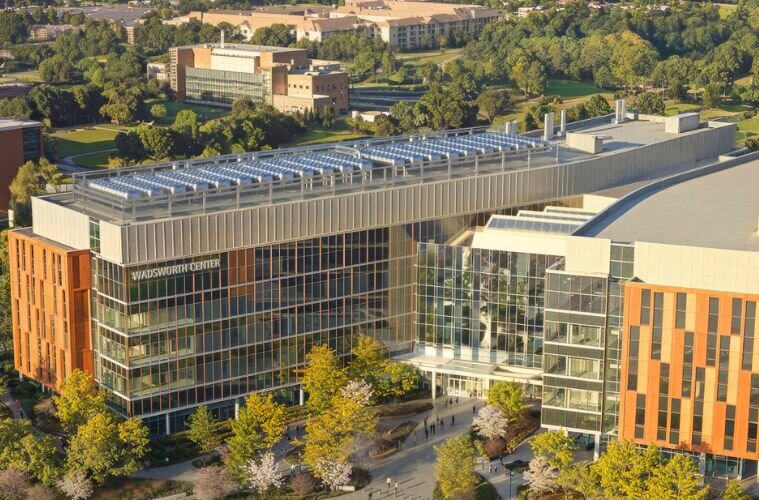
New York has begun construction on a $1.7 billion Wadsworth Center laboratory, consolidating public health testing infrastructure to strengthen long-term preparedness and resilience.

Pacifico Energy’s GW Ranch project secured a 7.65 GW air permit in Texas, highlighting how private-grid power campuses are reshaping energy supply for hyperscale AI data centers.

Southwest Power Pool is expanding west with a $150M project and 190 jobs. Its new Markets+ platform aims to modernize energy markets across the West.

Plastic pallets are seeing wider adoption as logistics teams prioritize durability, hygiene, and automation compatibility amid tightening supply chain conditions.

Pepper Construction turned a vacant 1912 factory into a net-zero HQ. The project proves deep energy retrofits can work—even in aging industrial buildings.

A House committee has advanced legislation that would allow limited flexibility in Clean Air Act offset requirements for certain manufacturing and critical mineral facilities.

Once abandoned, Seattle’s Metropole Building now runs at ultra-low energy use. Its revival shows how cities can cut carbon without erasing their past.

Permitting and compliance uncertainty are emerging as decisive factors in capital allocation across energy and infrastructure.

San Francisco is beginning the process of consolidating planning and building departments to reduce permitting delays that have slowed housing and business development.