
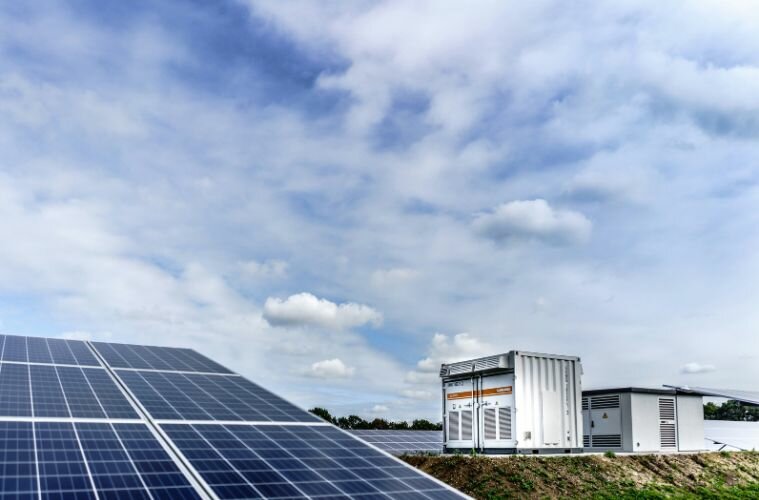
With median interconnection timelines approaching five years, facilities teams are redesigning project sequencing around a queue that most enterprise plans never accounted for.
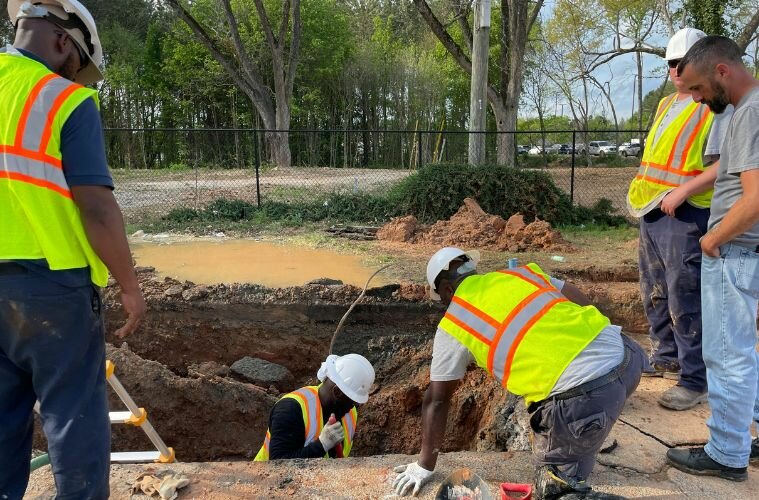
Operators cannot control power demand growth, infrastructure upgrade timelines, permitting contest rates or capital selectivity. What they can control is how early those realities enter their planning
For years, uncertainty justified delay. Increasingly, uncertainty itself is becoming the cost organizations can no longer afford to absorb.

The projects moving forward in the second half of 2026 are increasingly defined by infrastructure readiness, permitting certainty, and execution feasibility rather than projected returns alone.

The biggest risk entering H2 may not be execution. It may be relying on planning assumptions that no longer reflect operating conditions.

Grid capacity limits, water constraints, permitting delays, and capital deployment challenges are increasingly converging on the same projects.
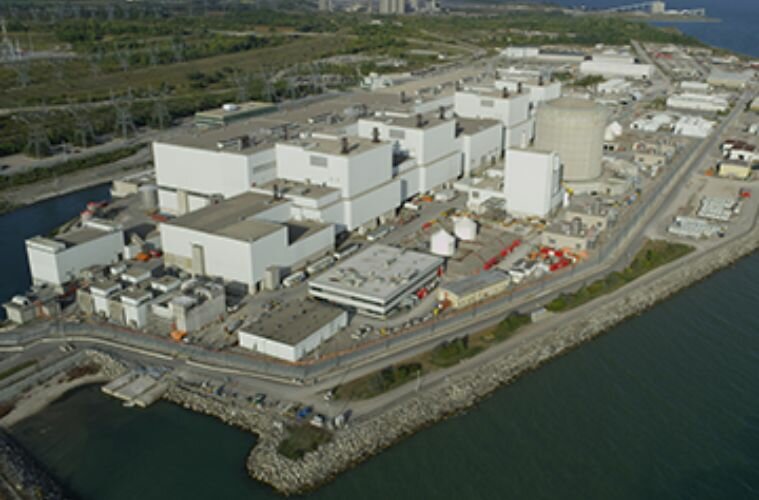
The Williams Treaties First Nations announced a $700 million investment in Ontario's Darlington SMR project, backed by the largest Indigenous loan guarantee ever issued in Canada.
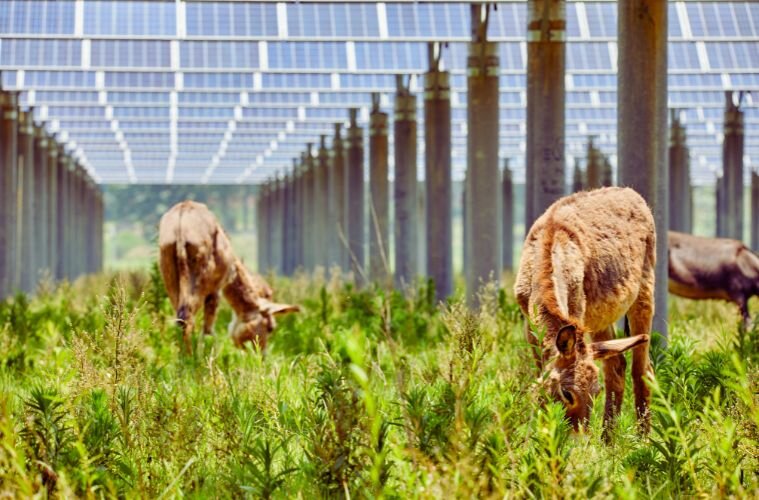
SEIA's new interactive map puts solar's farmland footprint against suburban sprawl and golf courses as Congress debates solar's role in the Farm Bill.

Power, water, permits, and capital are tightening simultaneously on the same projects. Executives need a framework for operating inside converging constraints, not resolving them one at a time.

EHS, facilities, procurement, and sustainability each left something unresolved in Q2. Here is what each function needs to close before the second half starts.

Silicone hull paint beat copper coatings in European tests. The findings could reshape antifouling choices for boatyards, marinas and paint suppliers.
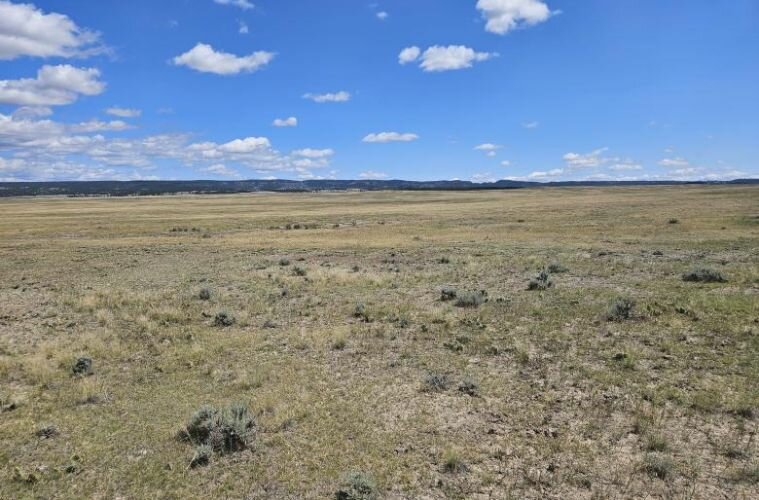
The BLM approved initial infrastructure for the Dewey-Burdock uranium project, advancing a long-debated in-situ recovery development in South Dakota.

A federal appeals court declined to halt a North Carolina water permit for the Mountain Valley Southgate pipeline, reinforcing agency discretion in environmental reviews.
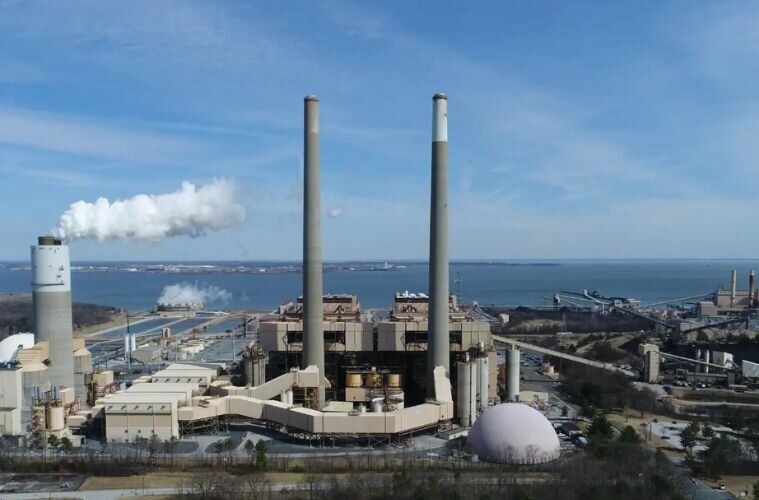
PJM and Talen Energy have filed at FERC to extend the Brandon Shores and H.A. Wagner reliability-must-run agreement to May 2031, citing transmission delays driven largely by data center load growth.

A 344-foot timber roof is putting snow safety into focus at Vancouver’s PNE Amphitheatre. The project shows why planning for weather starts before installation.

The market is rewarding assets that have already cleared permitting, interconnection, and financing. Everything else is waiting longer and competing harder for what remains.
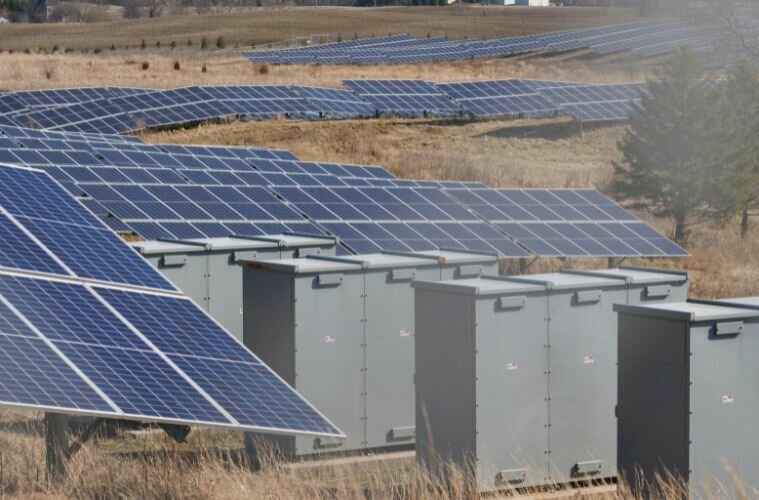
States that voted for President Trump in 2024 accounted for 74% of all solar capacity installed during the quarter, with TX, FL, OH, IN, MI, AZ, and MS ranking among the top ten states for new additions
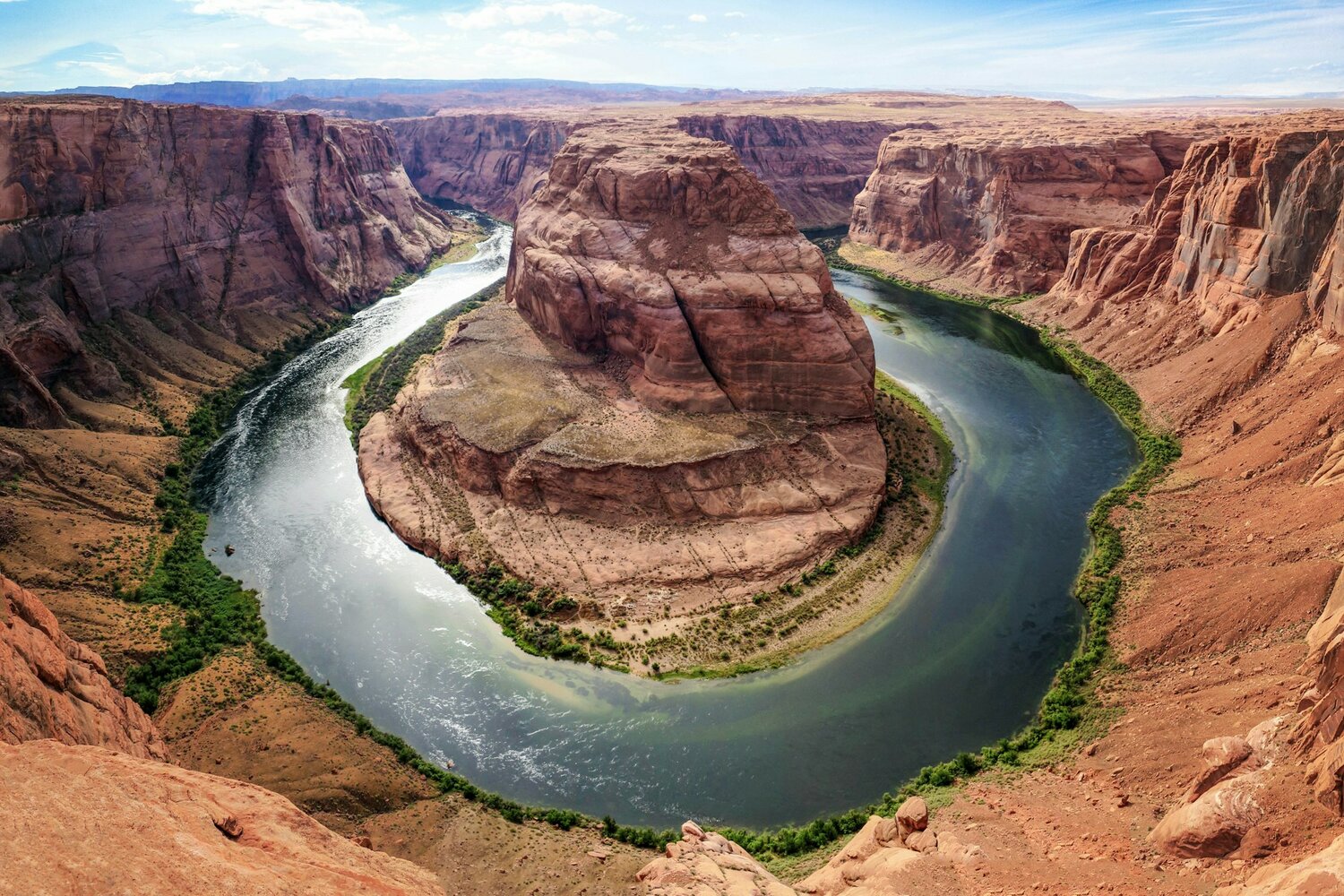
Colorado River storage is shrinking. Businesses face tighter water planning, higher supply risks and fewer buffers against dry years.

Federal permitting blocked 11 GW of clean energy in one year. The interconnection queue holds 2,060 GW more. Operations teams with project-tied energy timelines carry direct exposure.

DOE selected Duke Energy for up to $96 million in federal funding for reliability upgrades at coal-fired power plants in Kentucky and North Carolina across three sites.