

TANAKA’s 500-kW fuel cell system is now running at its Shonan site. The project will test hydrogen’s cost, reliability and role in plant power under real loads.

A shortage of qualified electrical commissioning crews delays energization on projects already built, adding months after construction is finished.

A final CSB investigation found BioLab's Conyers, Georgia warehouse held nearly double its permitted chemical load before a 2024 fire forced evacuations.

What companies must report in 2026 under California SB 253 and SB 261, the EU CSRD, ISSB standards and the changing SEC climate disclosure landscape.

A federal judge ordered EPA to finalize its PM2.5 nonattainment designations by February 6, 2027, rejecting the agency's proposed 18-month timeline.

Four U.S. advanced reactor experiments reached criticality by a July 4 target, producing new data on how quickly designs can move from construction to testing.

Enacted in 2023 as part of the California Climate Accountability Package, Senate Bill 261 was originally expected to require covered businesses to begin making climate-related financial risk …

USDA's NRCS found irrigation upgrades to Colorado's centuries-old acequia systems will adversely affect historic properties, opening a mitigation process.
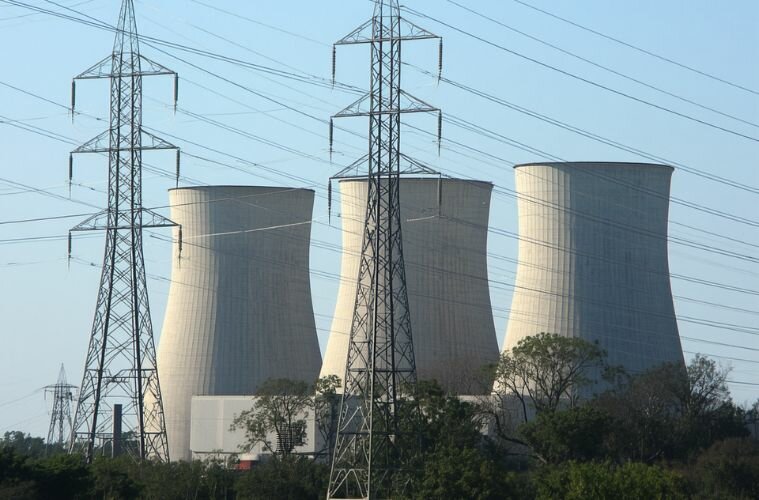
Missouri and Indiana now require utilities to secure replacement capacity before retiring power plants, as PJM and MISO warn of tightening reserve margins.

A Wyoming Supreme Court ruling affirms that counties can use land-use zoning, not just environmental permitting, to protect drinking water sources.

The Ninth Circuit sent EPA's 2024 decaBDE rule back for rework, ruling the agency didn't justify skipping recycling, disposal, and wastewater limits.

A climate science critic now leads the USGCRP, the federal program behind the National Climate Assessment that underpins infrastructure risk planning.

NATO's new 5% GDP spending target could add millions of tonnes of emissions yearly, an SGR analysis finds, as the alliance's own climate targets stall.

Scope 3 covers the emissions a company causes but doesn't control — usually the largest share of its footprint and always the hardest to measure. Here's how the categories work, which disclosure mandates are already binding worldwide, and where the honest difficulties live.

Utility rate cases can take a year to clear, and corporate electrification targets now carry legal disclosure weight, turning a planning gap into a financial risk.

Biochar is getting a real-world road test. Verde and Ergon are moving their cold paving partnership toward field projects, carbon credits and commercial use.
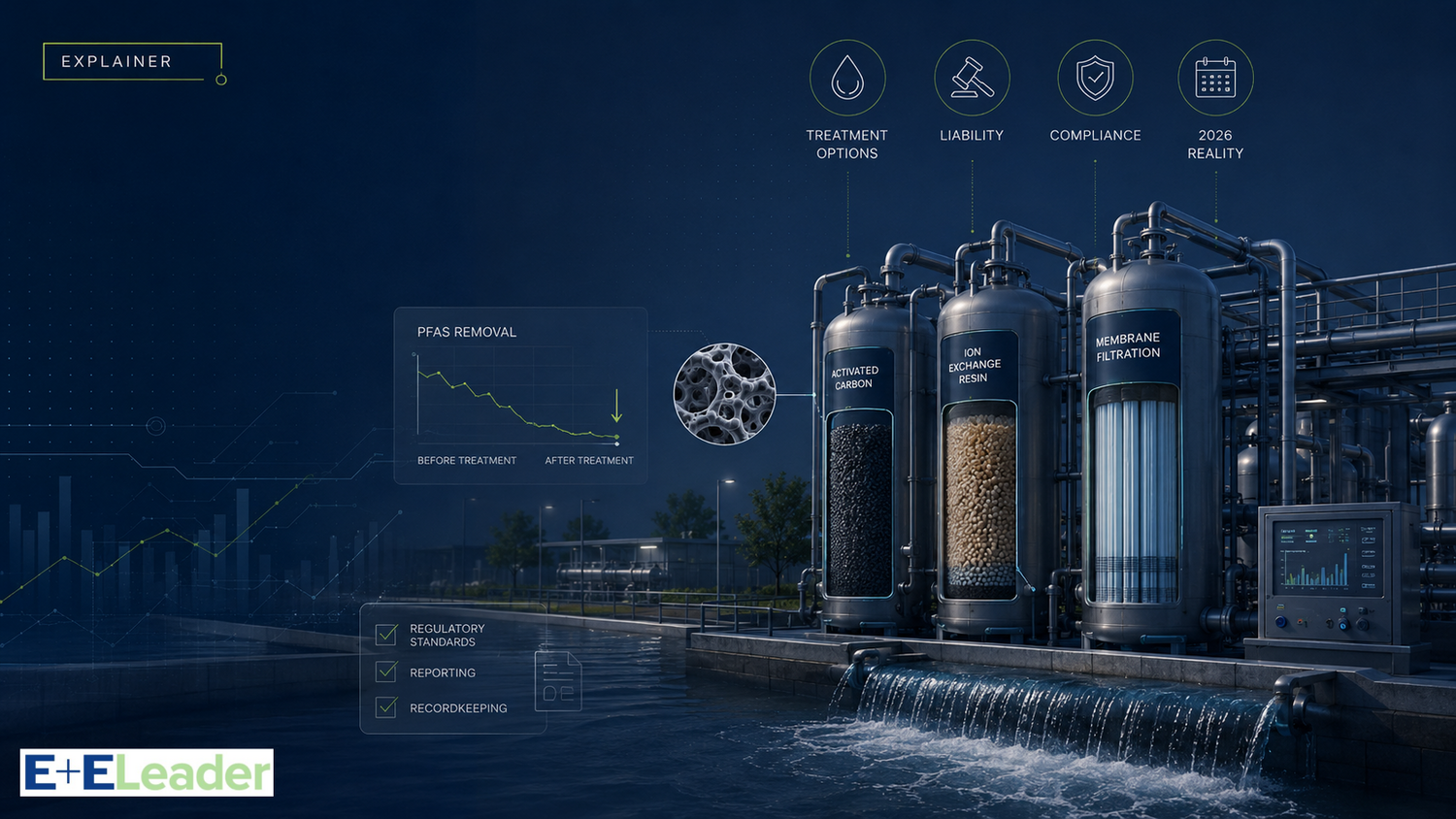
PFAS contamination is now a regulated, litigated, and expensive problem for water systems, wastewater utilities, landfills, manufacturers, and property owners alike. Here’s what makes these chemicals different, where liability comes from, what drives remediation cost, and which treatment technologies work — and which claims deserve skepticism.

Treasury now expects to finalize 45Z clean fuel tax credit regulations in November, extending uncertainty for renewable fuel projects and investment planning.

Building electrification replaces fossil-fueled heating, hot water, cooking, and some process loads with high-efficiency electric systems. Here’s how the U.S. economics, financing options, grid constraints, and building performance mandates are reshaping capital planning — and what owners should check before committing to a retrofit.

Ireland could owe up to $30 billion (€26 billion) by 2030 for missing EU climate targets, new fiscal modeling shows, with costs rising after 2030.