

Iowa senators voted 27-22 late Monday to pass a bill to limit the ability of carbon sequestration pipelines to use eminent domain, sending it to the governor’s desk after a drawn-out debate.

Texas H.B. 2790 advances to limit liability for carbon capture operators, boosting legal certainty for CCS projects. Law could take effect September 1, 2025.

A new initiative is pushing sustainable aviation fuels in Asia-Pacific. Major airlines and corporates are backing the shift to cleaner skies.
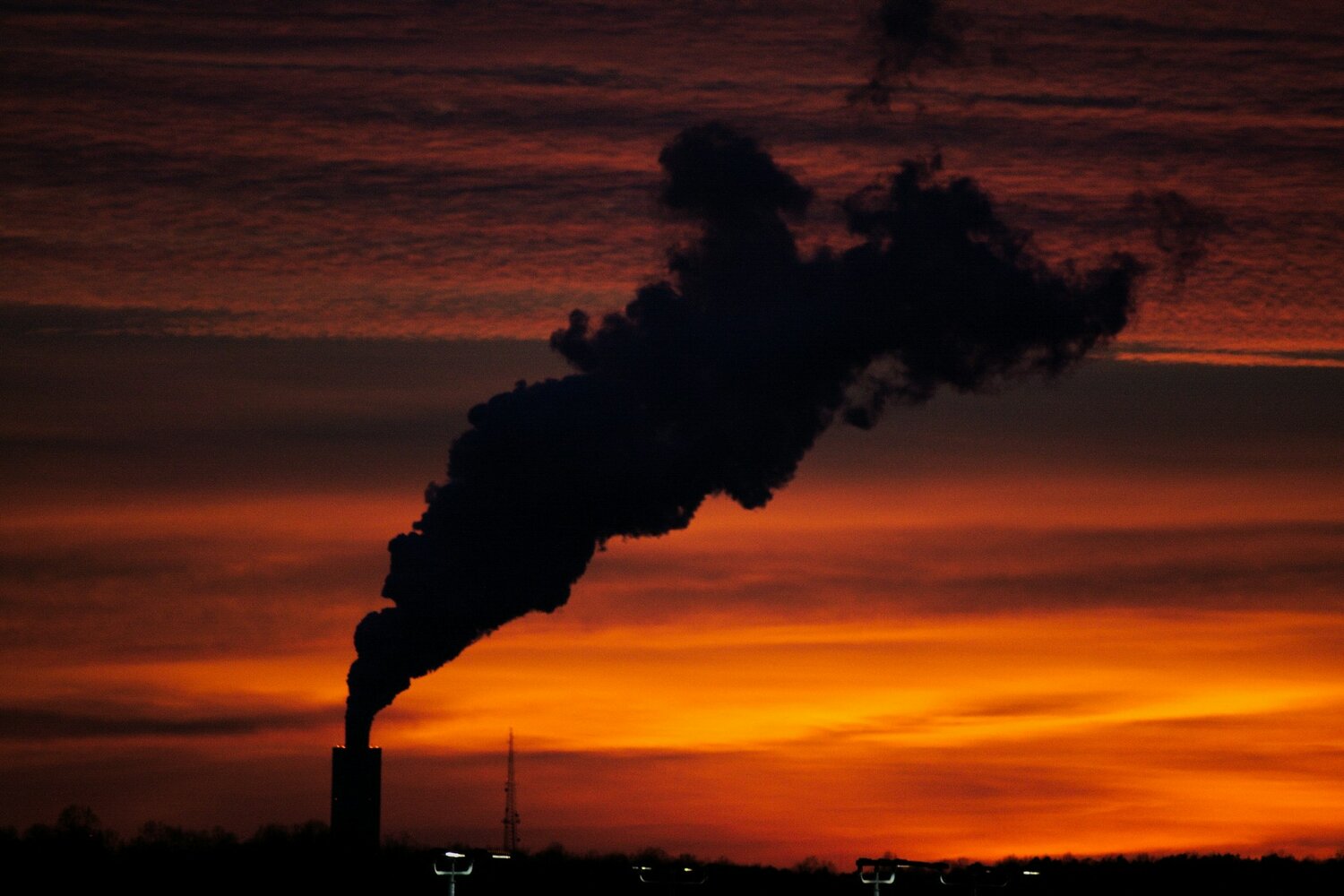
Cryogenic tech captures CO₂ without chemicals or water. A scalable option for manufacturers facing tighter EU emission rules.
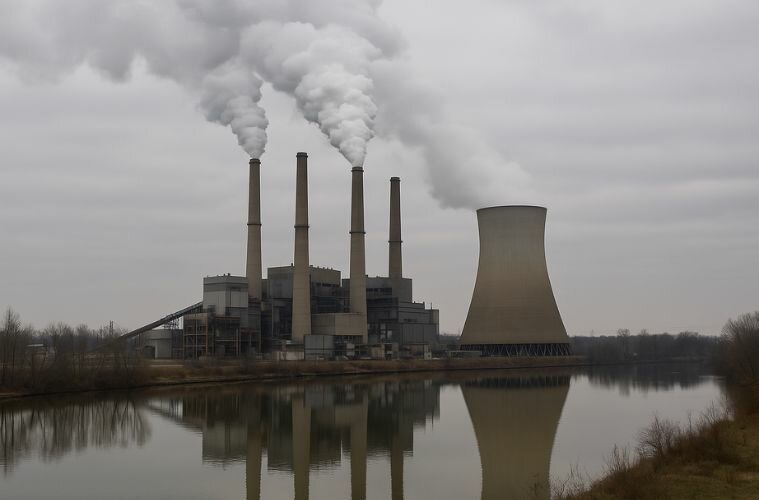
Sierra Club's new dashboard highlights how Indiana coal plants may bypass pollution cuts under Trump-era EPA rollbacks, raising utility and public health concerns.
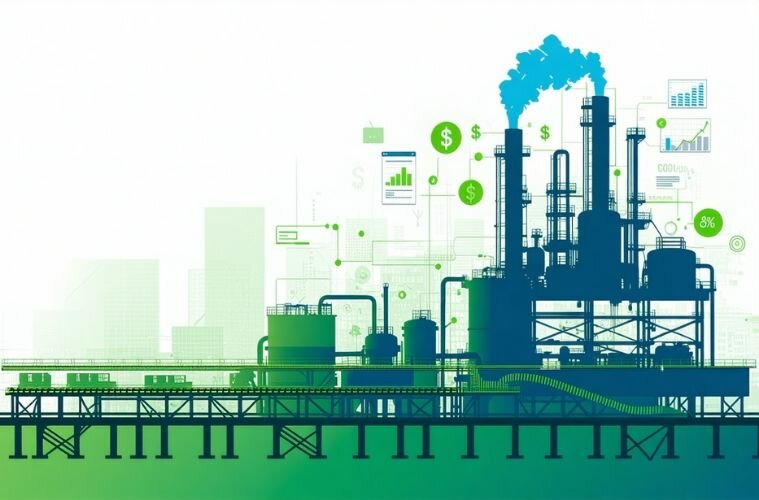
Epicor’s new carbon cost model reflects a growing shift: manufacturers are embedding emissions tracking into ERP systems to drive accountability and decarbonization.
North of Fairbanks, hundreds of workers at Alaska’s biggest gold mine dig up, haul, crush and grind thousands of tons of ore each day, year-round. The sprawling Fort Knox mine consumes $40 million worth of power every year — more than any other business in the state.

Breakthrough research reveals the vast spread of microplastics deep beneath the ocean’s surface—thanks to innovative sampling and spectroscopic technologies that are reshaping environmental data collection.
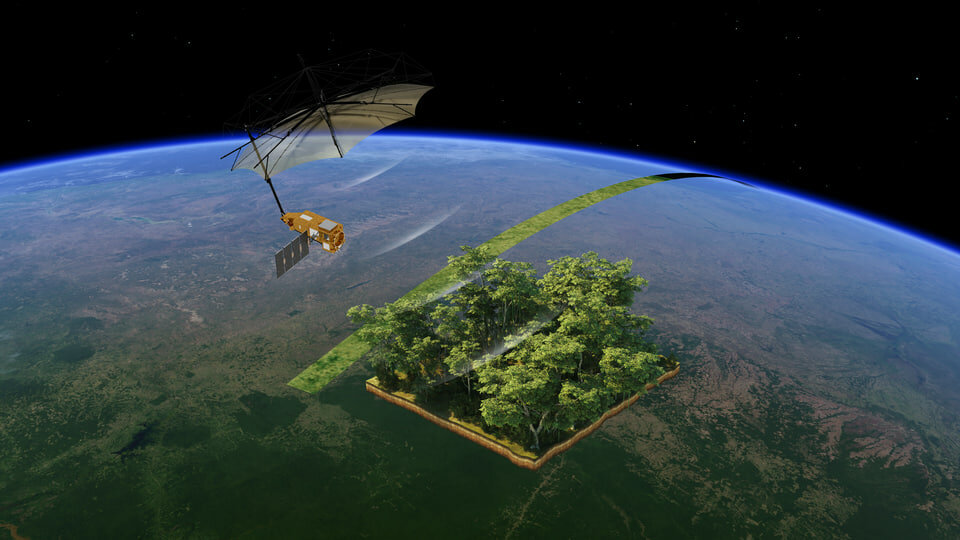
ESA’s Biomass satellite is now in orbit, using P-band radar to map forest carbon. It’s a major step in tracking climate change impacts.
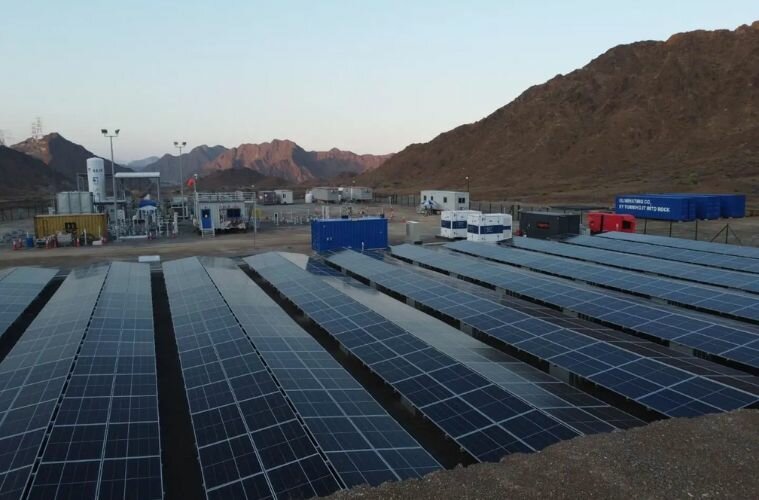
Project Hajar captures CO₂ from air and mineralizes it underground. Its XPRIZE win signals growing commercial potential for permanent, scalable carbon removal.
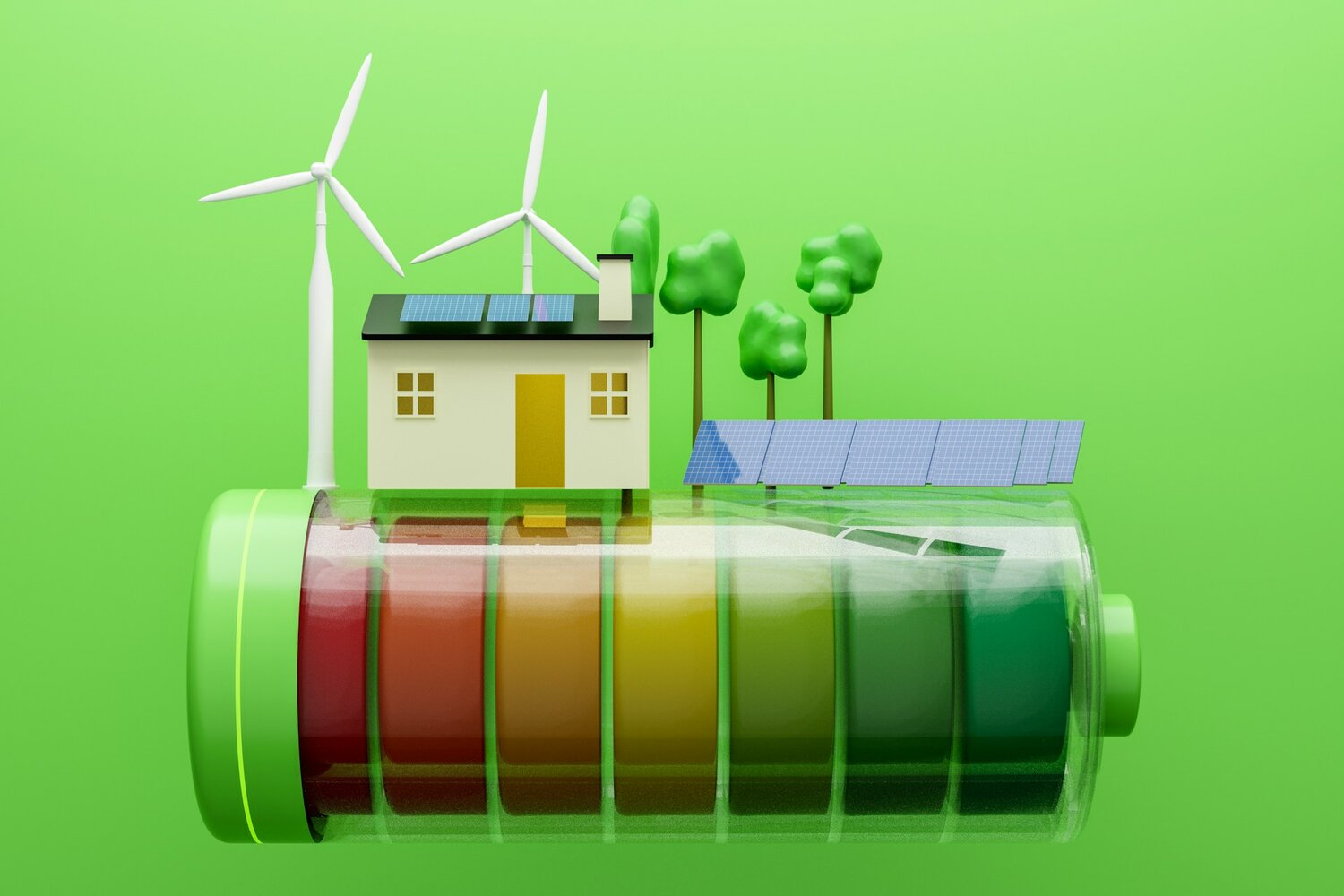
Geopolitical and economic hurdles are dampening short-term energy optimism. Yet, the sector remains focused on long-term sustainability goals.

Snow cover across the Hindu Kush Himalaya has fallen to a record low, threatening water security and biodiversity across Asia. Urgent ecosystem-based responses are needed.

Scientists have developed a system that captures CO₂ and harvests energy simultaneously using ionic liquids, opening new pathways for sustainable industrial emissions management.

Team Penske expands its sustainability efforts, using advanced data tools to integrate carbon tracking, reporting, and real-time environmental insights.
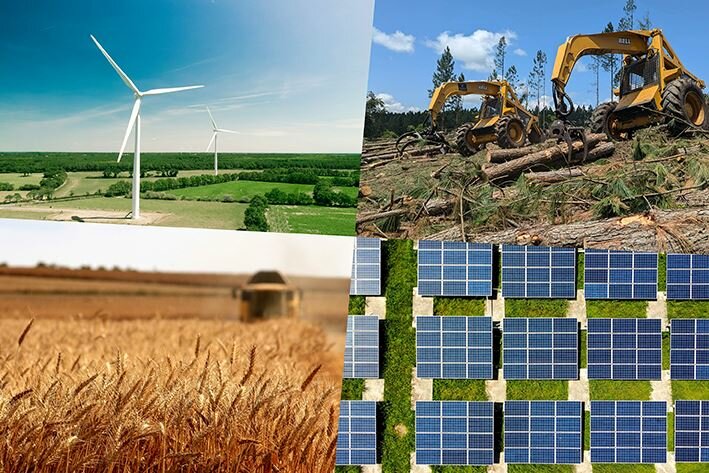
New research warns that sidelining biomass could cost Europe €169B annually and derail climate goals, highlighting its critical role in clean energy plans.
Driven by eco-conscious consumers and accelerated innovation in clean technologies, the global sustainable manufacturing market is set to more than double by 2032, with North America leading and Asia-Pacific emerging as the fastest-growing region.
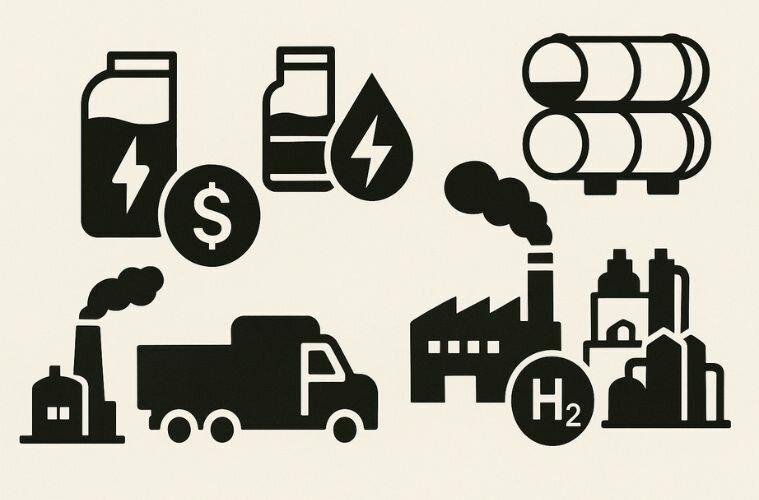
Why America’s hydrogen ambitions must be grounded in science, sector prioritization, and lifecycle emissions data to deliver climate and economic returns.

Canada ranks 8th for air quality among OECD nations, with standout PM2.5 results. The report shows room to improve on ozone and NOx levels.

New research shows Queensland's regrowth forests offer vital habitat for threatened species—yet remain overlooked in conservation policy and land use planning.
UK Expands Carbon Credit Trading to Strengthen Green Finance and Business Investment