

A Brown University study finds veterans 20 to 39 carry higher PFAS levels than civilians the same age, exposing a gap in the VA's testing policy.
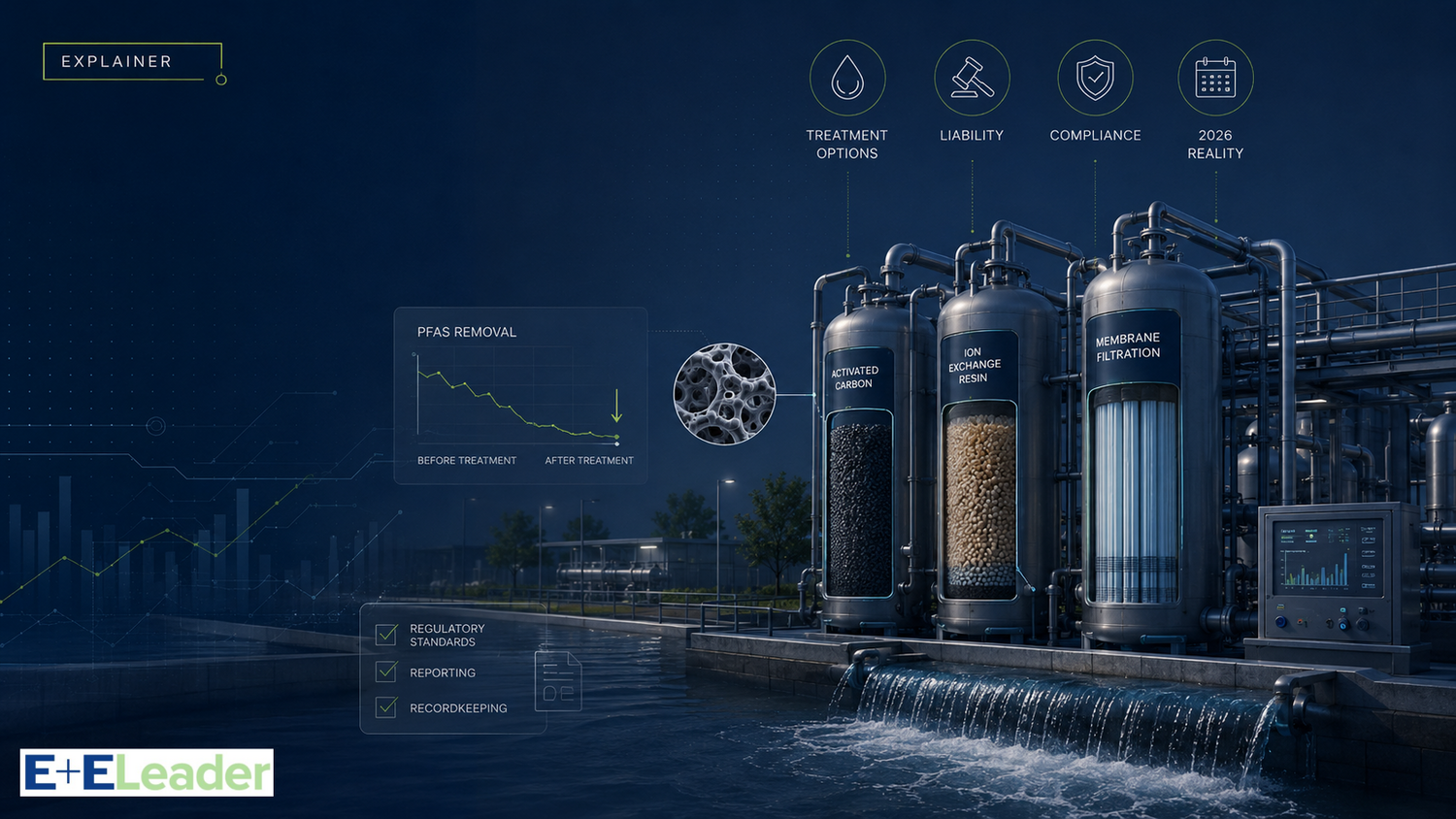
PFAS contamination is now a regulated, litigated, and expensive problem for water systems, wastewater utilities, landfills, manufacturers, and property owners alike. Here’s what makes these chemicals different, where liability comes from, what drives remediation cost, and which treatment technologies work — and which claims deserve skepticism.

Organizations that haven't conducted a systematic PFAS exposure assessment are making that decision by default, and the cost of finding out later is rising.

Strikes on Gulf ports and the Strait of Hormuz are throttling oil, LNG, and freight movement. Here's what operations and procurement leaders need to know now.

TFA is the most abundant PFAS in the environment. Most labs aren’t detecting it. Two researchers explain why that’s a problem regulators can no longer ignore.

As federal PFAS standards enter implementation and Superfund liability expands, litigation exposure is broadening beyond manufacturers.

USDA is urging whole, nutrient-dense foods—but PFAS contamination remains an unresolved risk for U.S. farmers and the food supply.

ECHA’s split PFAS restriction leaves eight sectors unregulated, undermining EU policy and risking decades of continued chemical emissions.

Allonnia’s SAFF®10 is a compact, mobile PFAS treatment unit designed for small sites. It delivers proven removal rates even in locations lacking infrastructure.

The Army's Detroit Arsenal is testing 3D-printed insulation to cut energy waste. A 50% boost in efficiency could change how bases upgrade.

Delaware’s Senate Bill 72 requires public drinking water systems to report PFAS levels and mandates consumer notifications when contamination exceeds legal thresholds—advancing water safety protections ahead of federal timelines.
New research reveals how climate change alters persistent organic pollutant dynamics in global oceans, threatening marine ecosystems and food webs.

Toxic metals now taint 16% of cropland, affecting key food regions. Agribusiness faces rising risks to production and trade stability.
As PFAS bans accelerate, fire departments and municipalities need safer alternatives. SoyFoam delivers cost-effective, PFAS-free fire suppression at scale.

A new study detects PFAS levels in migratory birds up to 180 times higher than expected, raising concerns for ecosystems and public health.

AFFF alternatives or fluorine-free foams, are proposed as safer replacements for traditional firefighting foams. However, there are still several remaining safety questions about their long-term impact.

States, consumers, and corporations clash in 2025’s growing wave of PFAS lawsuits over contamination and public health hazards.

PFAS, hazardous waste, and military expansion—Arcadis steps up with a major U.S. Army Corps contract.
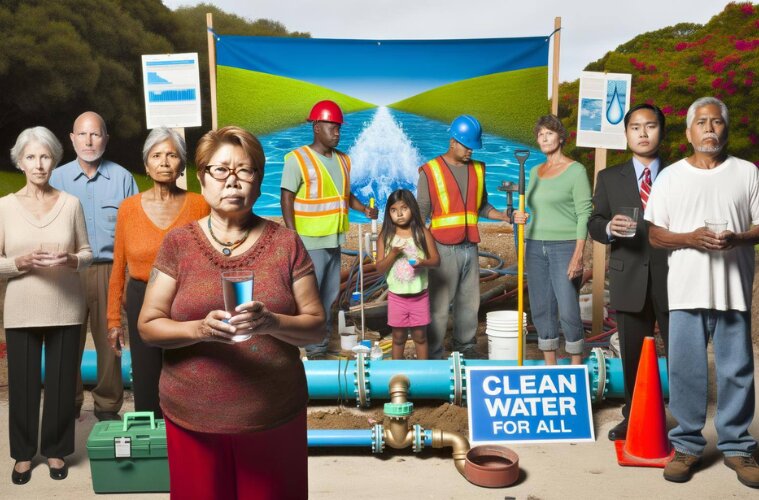
Given Trump's plans to reverse climate initiatives and promote fossil fuels, how will the progress made in clean water access and environmental equity be affected?

Communities across the U.S. can now access more detailed information on chemical releases with the EPA’s addition of nine PFAS to the Toxics Release Inventory.