

Pennsylvania has addressed less than 2% of its documented inventory of orphaned and abandoned wells, each one a potential source of methane emissions, groundwater contamination, and safety risk.
As data centers expand across the U.S., groundwater professionals are moving into a more central role in the debate over how digital infrastructure can grow without straining local water resources.

A federal class action filed May 28 against EMR Advanced Recycling in Camden, NJ cites more than a dozen fires since 2020, repeated NJDEP violations, and displacement of over 100 families.

Organizations that can demonstrate command over their value chain emissions are differentiating themselves in procurement decisions and investor conversations in ways that organizations relying on estimates cannot match.

The market is rewarding assets that have already cleared permitting, interconnection, and financing. Everything else is waiting longer and competing harder for what remains.

Switch Bioworks is testing microbial fertilizer in Midwest corn fields. The trials will show whether engineered microbes can support nitrogen delivery at scale.

Chloride ions from seawater are drawing new battery research attention. Early solid-state work could support future grid storage beyond lithium.
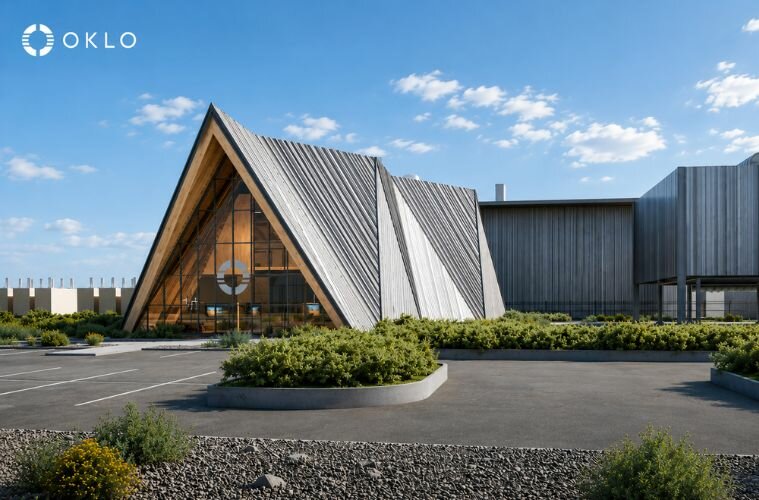
DOE's Idaho Operations Office approved a preliminary safety analysis for Oklo's Aurora reactor under the Reactor Pilot Program, a staged federal framework for advanced nuclear deployment.
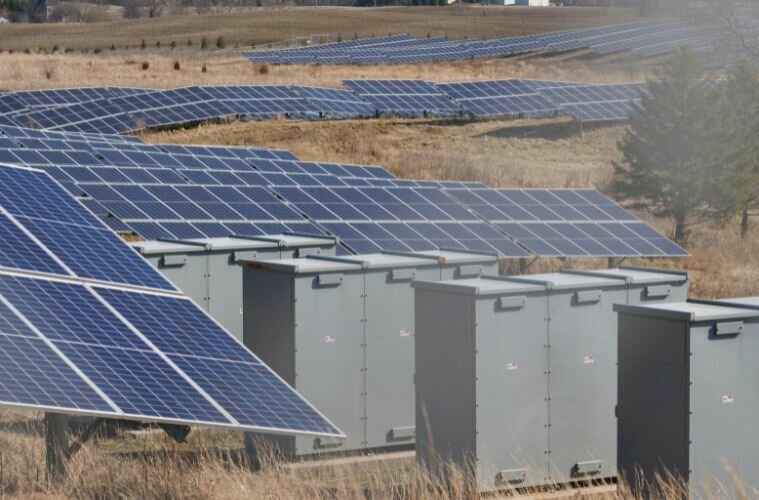
States that voted for President Trump in 2024 accounted for 74% of all solar capacity installed during the quarter, with TX, FL, OH, IN, MI, AZ, and MS ranking among the top ten states for new additions

Tariffs, permitting, financing, and policy uncertainty are each stalling projects in 2026. They look the same from a distance. The right response to each one is completely different.

Zurich Resilience Solutions analysis of 1,380 Southeast Asia renewable energy sites finds 75% of planned capacity at critical climate risk by 2030 and $165 billion in value at stake.

A Verdantix survey of 350 energy leaders found energy price volatility is now the top obstacle. Companies treating resilience as backup power are carrying growing competitive exposure.
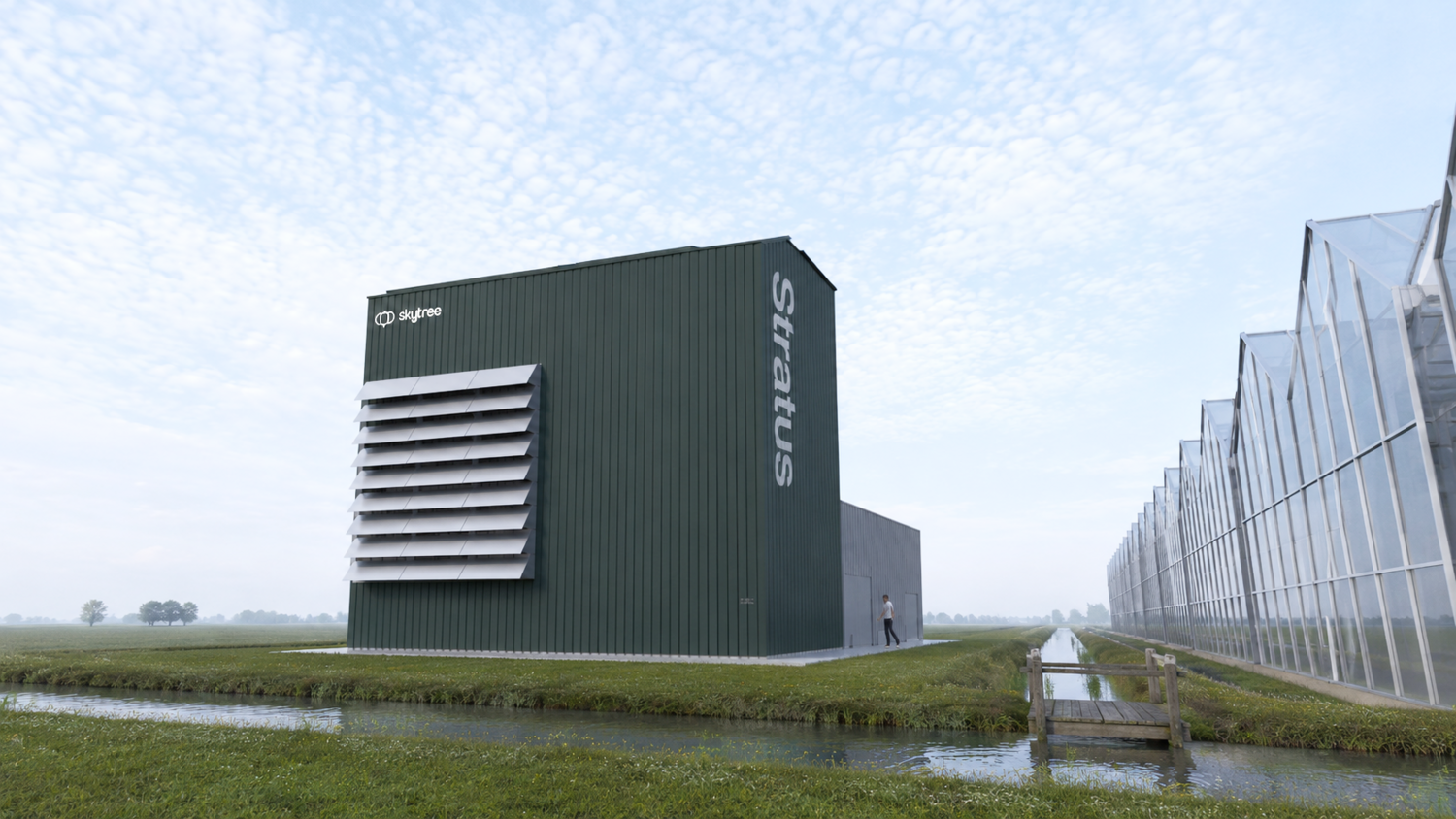
Skytree and Lingezegen Energy are bringing direct air capture into Dutch greenhouses. The project could make fossil-free CO₂ a practical crop input.
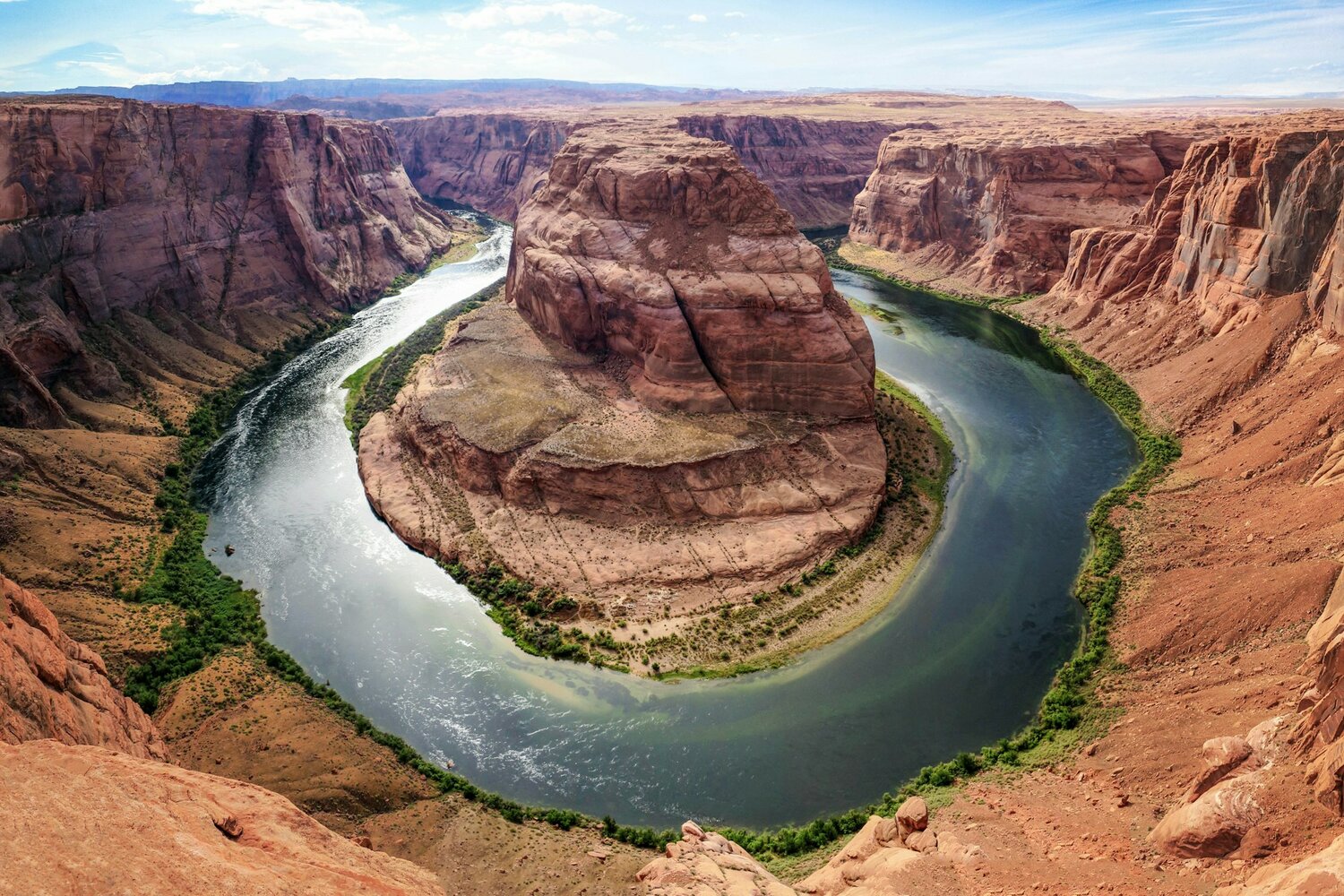
Colorado River storage is shrinking. Businesses face tighter water planning, higher supply risks and fewer buffers against dry years.
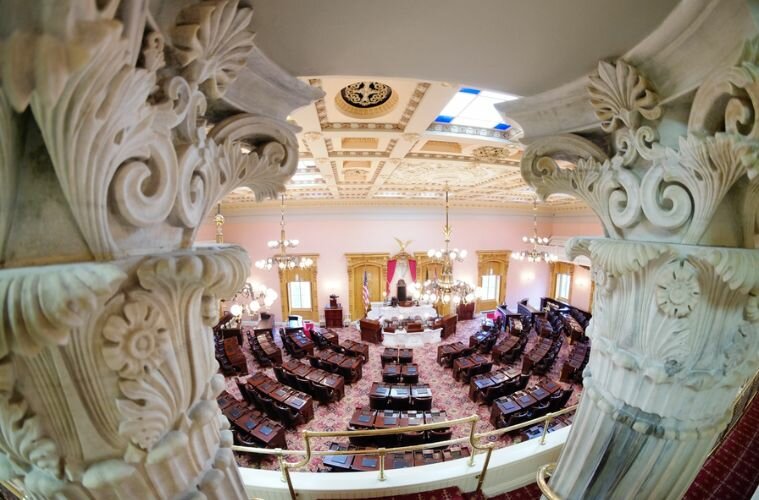
Ohio's House passed H.C.R. No. 35 63-32 on June 9, urging Congress to reform federal energy permitting and citing a 2,000-gigawatt interconnection backlog and NEPA timelines near four and a half years.
E2 tracked nearly 8 GW of canceled clean energy capacity and $13 billion in abandoned investment in Q1 2026 alone. The hidden cost is what those projects were supposed to deliver.

Global energy transition investment hit $2.3 trillion in 2025. But capital is concentrating in data centers and a few large managers, leaving most clean energy deals competing for less.

Congestion costs in PJM topped $3 billion in 2025 and may double again this year — and those costs show up directly in electricity bills. Dynamic line ratings won't solve the underlying infrastructure gap, but they can take a meaningful bite out of congestion while the grid expansion the country needs catches up. The problem is that most regulators don't yet understand how.
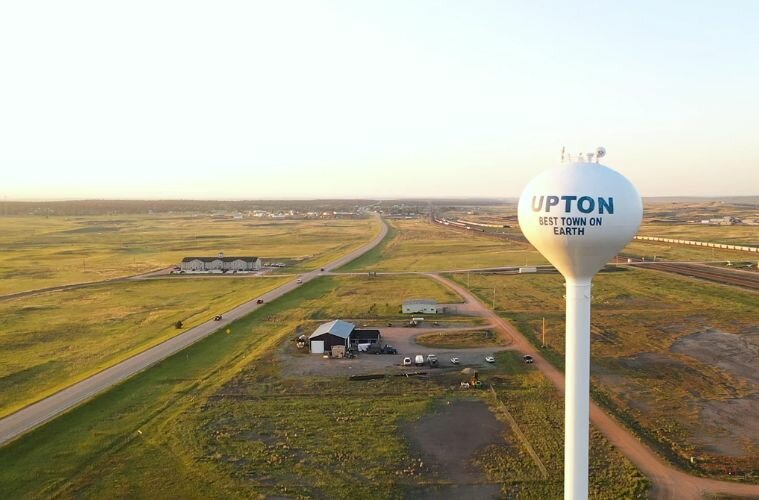
Rare Element Resources reports Bear Lodge is tracking toward March 2028 federal permitting completion under FAST-41, with its Wyoming separation demonstration plant targeting late summer 2026.

Eighteen EU member states signed a cross-border autonomous vehicle testbed agreement in Luxembourg on June 8, with $21.8 million in digital infrastructure funding launching this month.